Canada
 Australia
 Ireland
 Germany
 Ukraine
 Turkey
 India
 South Korea
 Mexico
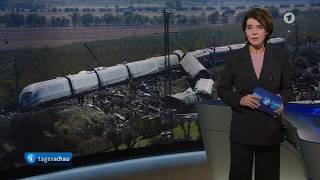
Deadly train collision in Spain draws viewers around the world
A collision between two trains near Urda in Spain, which killed at least 68 people, was the story most countries watched. Elections in the United States, Israel and Brazil, and official advice to stock emergency supplies, also drew large audiences.
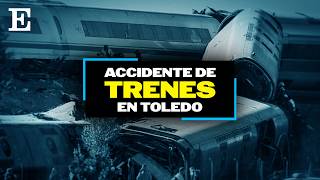
Spain's rail disaster
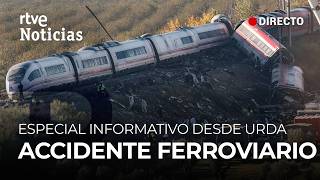
 In Spain, RTVE Noticias, the public broadcaster, reported 69 dead and more than 180 injured after an AVE train struck a stationary Iryo train near Urda.
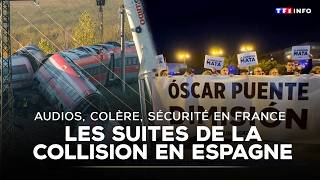
 In France, TF1 INFO examined recordings of exchanges between controllers and drivers. It highlighted a disputed authorization to resume normal speed.
 In Japan, Nippon TV reported Spain's transport minister saying that a train required to remain stopped may have received incorrect permission to restart.
 In Italy, RaiNews reported that two Italian women were missing.
Elections and their aftermath
 In the United States, a CNN poll put Democrat James Talarico six points ahead of Republican Ken Paxton in the Texas Senate race.
 In Israel, Kan News, the public broadcaster, followed Likud's election night from anxiety to celebration. Benjamin Netanyahu called for a strong right-wing national government.
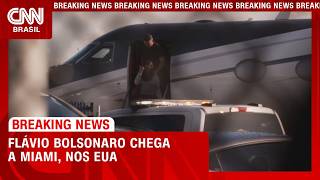
 In Brazil, CNN Brasil reported that federal police were considering seeking a freeze on Flávio Bolsonaro's assets after he left for the United States.
Stockpiles and Hormuz
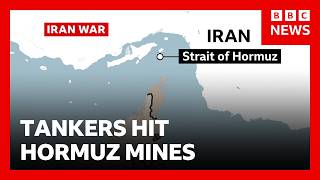
 In the United Kingdom, BBC News reported advice to keep three days of food, water and medicine. Some shoppers said living costs made stockpiling difficult.
 In the Arab world, Sky News Arabia's most-watched clip stressed that such preparations also cover natural disasters, not just war.
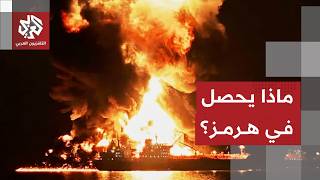
- Al Araby relayed the Revolutionary Guards' claim that three oil tankers struck mines in the Strait of Hormuz.
- A BBC News report contrasted Iranian claims of mine strikes with US statements that the waterways were clear.