
Qatari peace proposal meets Iranian rejection in BBC's war update
The bulletin adds a disputed mediation plan and reports of possible US strikes to the uncertainty following Israel's election.
 BBC News
Story of
Why this story? One of BBC News's most watched videos since yesterday, with 340,098 views.
 What next for the war in Iran after Israeli elections? | BBC News
Things we can learn from the video
Press to jump
- 1:06Yolande Knell reports an electoral impasse between Netanyahu's bloc and Eisenkot's Change bloc.
- 4:17Lyse Doucet considers how Israel's prospective leaders might approach the conflict with Iran.
- 5:00The bulletin reports Houthi strikes targeting Aden airport's runway, followed by analysis of their tactical significance.
- 9:18A proposed Qatari seven-day mediation plan faces Iran's rejection of its initial draft terms.
- 11:23The BBC examines reports of possible US strikes after the midterms, rather than an announced attack decision.
- 12:29Khashayar Joneidi examines diplomatic hurdles, Iranian conditions and uncertainty over Israel's next government.
Qatar says it has presented Iran with a potential peace plan, but Tehran has rejected the initial terms, according to BBC News. The diplomatic disagreement is one of several developments in a bulletin examining where the war could go while Israel's next government remains unsettled.
The report describes a proposed seven-day mediation plan. Its discussion of the disputed draft comes alongside a separate question: whether Washington is preparing further military action. The BBC examines Wall Street Journal and Axios reports suggesting possible US strikes after the midterm elections. Those remain reports of potential action, not an announced decision to attack.
Israel's election supplies the political backdrop. Reporting from Jerusalem, Yolande Knell describes an impasse between Benjamin Netanyahu's bloc and Gadi Eisenkot's Change bloc. Lyse Doucet then considers how the prospective leaders might approach the conflict with Iran, without a clear election winner yet determining that course.
In his post-election speech, Netanyahu defends the military campaign: "We struck the Iranian regime. We brought it to the brink of abyss." Eisenkot presents the vote as a mandate for change. Neither speech resolves the governing deadlock described in the broadcast.
The bulletin also turns to Yemen, reporting Houthi strikes targeting Aden airport's runway. The Houthis say Saudi-backed forces killed at least 14 people in northern Yemen. BBC Monitoring's Greg Holyoke examines the airport strikes' tactical significance and Saudi diplomatic efforts.
An Israeli politician and former military chief who leads the Yashar party. He was Benjamin Netanyahu’s main challenger in Israel’s 2026 election.
More on Wikipedia ›An Iranian-backed Shia Islamist political and armed movement that emerged in Yemen in the 1990s. Also called Ansar Allah, it is a major participant in Yemen’s civil war.
More on Wikipedia ›Published on Trari
Where next?
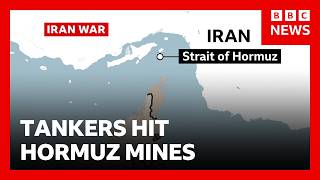


 Is this your channel?For the channel's owners and team: a ready picture and text for your audience
Share the story with your audience. Everything is ready:
For an Instagram story or a WhatsApp status
For a community post or your channel's description
- Channel
- BBC News
- Subscribers
- 20,200,000
- Channel views, last 7 days
- 32,127,174
- Channel views, pace per day
- 6,146,920 (on a normal day: 4,716,314)
- Video published
- October 28, 2026
- Video views so far
- 479,213 (2 days online)
- Video views, pace per day
- 340,066
The numbers
The BBC bulletin drew about 340,000 views since yesterday.
