
 United States
 United Kingdom
 Canada
 Australia
 New Zealand
 Ireland
Could the same bear be behind Bella Coola's attacks?
CBC British Columbia's explainer examines that unanswered question alongside the distinction between defensive and predatory attacks.
 CBC British Columbia
Story of
Why this story? The video opened at a pace of 68,937 views a day, 13 times a normal first day on this channel (5,410).
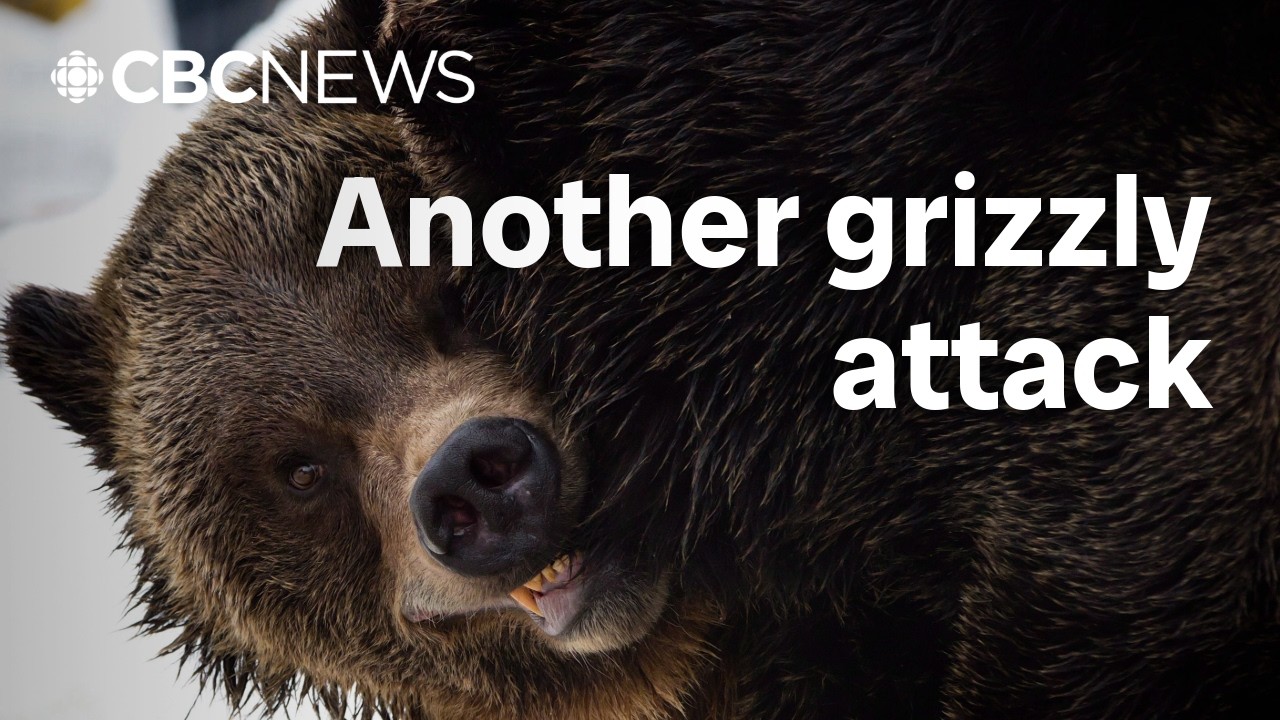 Another grizzly bear attack, two dead. What happened?
Things we can learn from the video
Press to jump
- 0:59Relatives recall the mother and daughter, who went walking just minutes from home.
- 4:03Officers have DNA from the previous attack, but Tyre says it is too early to speculate about a connection.
- 4:38Experts distinguish defensive attacks involving cubs or food from rare predatory attacks.
- 5:37Ciarniello explains the intense feeding period before hibernation, known as hyperphagia.
- 6:09Provincial records show fluctuating attack numbers and rare fatalities relative to reported grizzly sightings.
Conservation officers have DNA from Bella Coola's previous grizzly attack, but that does not yet connect it to the attack that killed a mother and daughter. "It's too early to speculate," Jeff Tyre of the B.C. Conservation Officer Service says in CBC British Columbia's report.
Lien Yeung's "Another grizzly bear attack, two dead. What happened?" looks beyond the family's loss to a valley facing severe attacks a year apart. The earlier incident involved a group of Nuxalk Nation school students. Conservation scientist Chris Darimont describes an attack on such a large group as extraordinarily rare, while Tyre notes the valley's substantial grizzly population.
The report explains why bear behavior matters to the investigation. Experts distinguish defensive attacks, when a bear is protecting cubs or food, from rare predatory attacks. Conservation scientist Lana Ciarniello also describes hyperphagia, the intense feeding period before hibernation that increases bears' seasonal activity. Those explanations provide context, not a finding about what caused this attack.
Yeung closes by examining provincial records showing fluctuating attack numbers and rare fatalities relative to reported grizzly sightings. The report had drawn about 50,000 views in its first 13 hours, well beyond the channel's usual first-day audience for regular videos.
Alongside the investigation, the family's account keeps the location personal: the mother and daughter had gone for a walk just minutes from home, on the Snooka Trail.
British Columbia’s agency for protecting the environment and natural resources. Its armed conservation officers enforce federal and provincial laws, including wildlife legislation.
More on Wikipedia ›The governing body of the Nuxalk people in Bella Coola, British Columbia.
More on Wikipedia ›Published on Trari
Where next?



 Is this your channel?For the channel's owners and team: a ready picture and text for your audience
Share the story with your audience. Everything is ready:
For an Instagram story or a WhatsApp status
For a community post or your channel's description
- Channel
- CBC British Columbia
- Subscribers
- 160,000
- Channel views, last 7 days
- 1,817,539
- Channel views, pace per day
- 205,946 (on a normal day: 256,350)
- Video published
- November 7, 2026
- Video views so far
- 50,216 (less than a day online)
- Video views, pace per day
- 68,937
The numbers
The explainer has already drawn substantially more views than CBC British Columbia's usual regular upload receives in a full first day.
