
 United States
 United Kingdom
 Canada
 Australia
 New Zealand
 Ireland
Doerkson wants B.C.'s provincial and municipal elections kept apart
The premier-designate tells CBC's Katie DeRosa he favors keeping four-year terms, alongside plans for public-service attrition and housing changes.
 CBC British Columbia
Story of
Why this story? The video opened at a pace of 103,253 views a day, 18 times a normal first day on this channel (5,898).
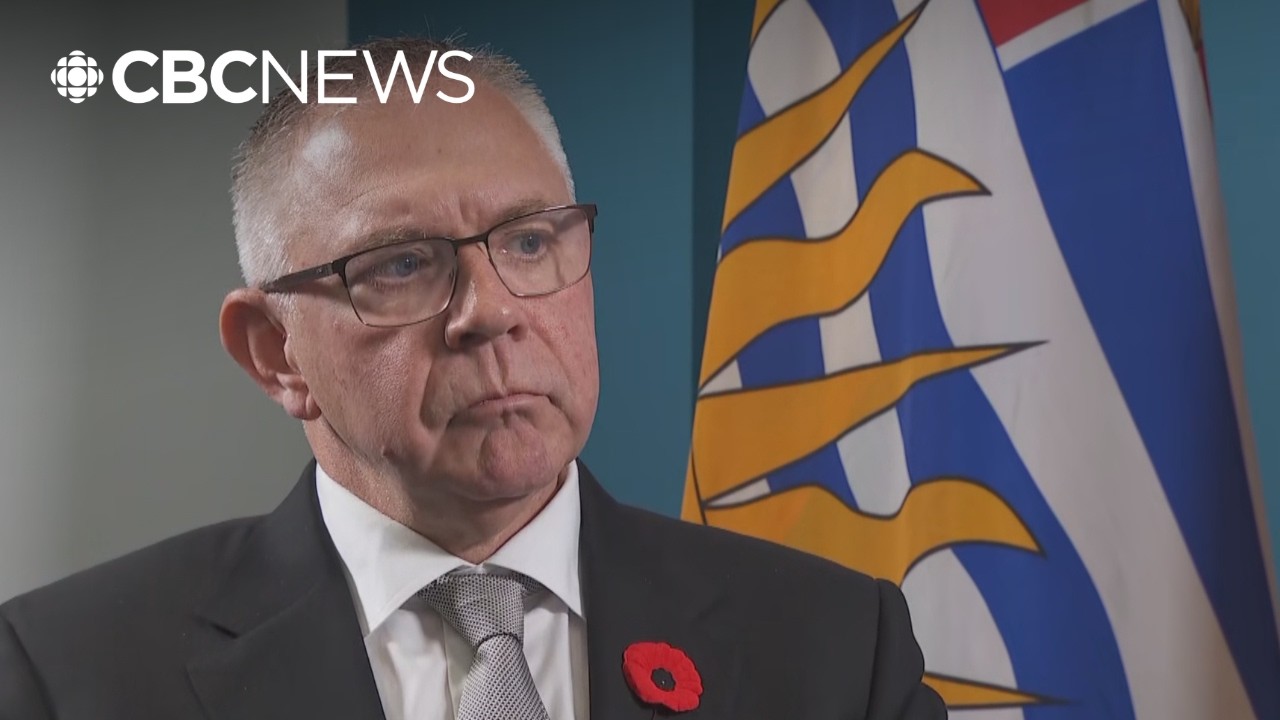 Lorne Doerkson shares his top priorities as incoming B.C. premier
Things we can learn from the video
Press to jump
- 1:49Doerkson commits to public-service attrition while promising to fully fund healthcare.
- 3:00He favors returning public servants to physical workplaces, with some room for hybrid work.
- 4:04He wants provincial and municipal elections separated while retaining four-year provincial terms.
- 5:33He plans to repeal Bill 44 housing mandates and considers changes to short-term rental rules.
- 7:31His supportive-housing proposals include improved on-site security and addressing open drug use.
- 12:49He explicitly reaffirms his intention to repeal DRIPA.
Lorne Doerkson wants to change the election calendar, not shorten the term he has just won. In a CBC British Columbia interview, the premier-designate says he wants legislation preventing provincial and municipal elections from overlapping, while retaining four-year provincial terms.
That is one of the practical questions Katie DeRosa puts to the incoming premier ahead of his planned late-November swearing-in. Their conversation moves from assembling a government to the decisions that could change public workplaces, housing rules and provincial finances.
On spending, Doerkson commits to a 2% public-service attrition rate while promising to fully fund healthcare. He also expresses a preference for public servants returning to physical workplaces, although he leaves room for some hybrid arrangements.
Housing brings a distinction between firm intentions and possibilities. He plans to repeal the mandates under Bill 44, arguing that housing decisions should not be dictated from Victoria. Changes to short-term rental rules, including those affecting Airbnb, remain something he is considering rather than a settled announcement. For supportive housing, he calls for better on-site security and measures addressing open drug use.
The interview has drawn more than 100,000 views in just under a day, far beyond the channel's usual opening audience for regular videos.
DeRosa also returns to a central commitment already drawing attention during the transition: repealing DRIPA, British Columbia's Declaration on the Rights of Indigenous Peoples Act. Doerkson reaffirms that intention while saying he will maintain dialogue with First Nations leaders.
British Columbia’s premier-designate and a Conservative provincial legislator. He has represented Cariboo-Chilcotin since 2020 and joined the Conservatives in 2024 after leaving the BC Liberals.
More on Wikipedia ›Canada’s westernmost province, bordering the Pacific Ocean. Its capital is Victoria and its largest city is Vancouver.
More on Wikipedia ›Published on Trari
Where next?



 Is this your channel?For the channel's owners and team: a ready picture and text for your audience
Share the story with your audience. Everything is ready:
For an Instagram story or a WhatsApp status
For a community post or your channel's description
- Channel
- CBC British Columbia
- Subscribers
- 160,000 ▲ 1,000 this week
- Channel views, last 7 days
- 2,272,894
- Channel views, pace per day
- 355,216 (on a normal day: 238,112)
- Video published
- October 30, 2026
- Video views so far
- 102,160 (less than a day online)
- Video views, pace per day
- 103,253
The numbers
The interview's opening audience is far larger than a typical first day for CBC British Columbia's regular videos.

💡 Test your knowledge
Which city is British Columbia's provincial capital?
Victoria is British Columbia's capital, while Vancouver is its largest city.