
 United States
 United Kingdom
 Canada
 Australia
 New Zealand
 Ireland
Spain announces €30 million aid package after Urda train disaster
Óscar Puente outlines direct payments, railway-control changes and a reopening timetable at a cabinet briefing following the crash that officials say killed 69 people.
 Spain
Why this story? One of EL PAÍS's most watched videos since yesterday, with 71,665 views.
EL PAÍS: A Spanish daily newspaper published since 1976, owned by the PRISA group. 3.4M subscribers and 2.4B views.
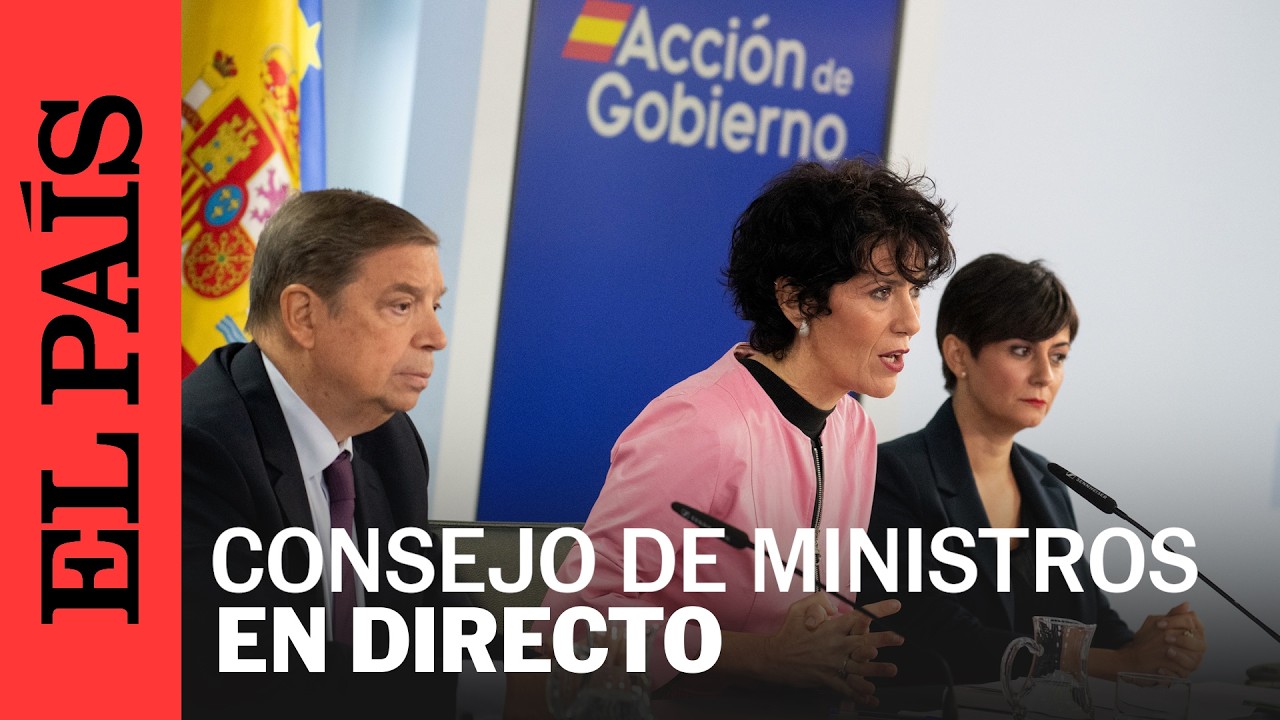 DIRECTO ACCIDENTE URDA | Óscar Puente comparece tras el Consejo de Ministros | EL PAÍS
Things we can learn from the video
Press to jump
- 7:10The spokesperson offers condolences to families of the 69 people officials say died in the Urda crash.
- 11:55Puente introduces victim assistance, alternative transport price limits and railway safety as the government's three priorities.
- 13:38A €30 million package provides direct payments for deaths and injuries; Puente says the assistance need not be repaid.
- 20:15Safety changes include automated alerts, electronic operational records, a digital twin and additional checks on control-center decisions.
- 22:06Puente says wreckage removal is complete and forecasts reopening the line within ten calendar days.
- 40:36Responding to resignation demands, Puente acknowledges sincere criticism but accuses the People's Party of double standards.
Spain's government has announced direct financial help for victims of the Urda railway disaster, alongside new safety measures for the Madrid-Seville high-speed corridor and limits on alternative transport prices.
At Tuesday's cabinet briefing, carried by Spain's newspaper EL PAÍS, Óscar Puente outlined a €30 million aid package. The government spokesperson opened by remembering the 69 people she said had died in the crash in Urda, in Toledo province, and thanked emergency personnel from national, regional and local services.
Puente, speaking as transport minister at the briefing, said payments would reach up to €72,121 per death, with compensation also available for injuries. He described the assistance as direct, nonrepayable transfers. Compensation and medical leave would exceptionally be treated under workplace-accident provisions, he explained.
The government would also establish comprehensive assistance offices in its provincial and regional offices, giving affected people a place to seek help with the administrative process.
On railway safety, Puente set out changes in technology, control procedures and staffing. These included software-generated alerts, electronic records of operational messages and an artificial-intelligence system described as a digital twin. He also announced cross-checks on control-center decisions when automatic block-system assistance is unavailable, and a technical study of enclosed luggage compartments.
Puente said crews had finished removing the damaged trains and other material from the tracks. He expected the line to reopen within ten calendar days. Asked about its longer-term future, he denied that the Madrid-Seville service would be suspended, while discussing whether temporary closures could be useful during comprehensive engineering work, citing Germany's approach.
Journalists also pressed him on reduced service frequencies and demands for his resignation. Puente said he understood sincerely expressed criticism but accused the conservative opposition People's Party of applying a double standard. The spokesperson urged against exploiting victims' suffering and separately defended the constitutional right to strike.
The briefing included other cabinet business: healthier food rules for hospital and school vending machines, training improvements for medical residents, expanded support for families with children undergoing cancer treatment, an inclusive-education plan and a report on migration in Ceuta. The detailed railway announcements begin roughly twelve minutes into the recording, after the spokesperson's opening statement.
A Spanish Socialist Workers' Party (PSOE) politician who served as transport minister from 2023 until his resignation in 2026. He was previously mayor of Valladolid.
More on Wikipedia ›A conservative and Christian democratic political party in Spain, commonly known as the PP.
More on Wikipedia ›Published on Trari
Where next?



- Channel
- EL PAÍS
- Subscribers
- 3,380,000
- Channel views, last 7 days
- 17,853,729
- Channel views, pace per day
- 2,404,231 (on a normal day: 3,040,643)
- Video published
- November 3, 2026
- Video views so far
- 71,665 (less than a day online)
- Video views, pace per day
- 89,161
The numbers
The cabinet briefing drew about 72,000 views since yesterday, placing it among Spain's most-watched new news videos.
