
 United States
 United Kingdom
 Canada
 Australia
 New Zealand
 Ireland
Co-pilot's initial reassurance gives way to mayday over Florida
CBC's report follows the change from manageable ice and turbulence to a rapid descent, alongside investigators' preliminary evidence of an in-flight breakup.
Why this story? One of CBC News's most watched videos since yesterday, with 77,361 views.
CBC News: The news division of the CBC, Canada's public broadcaster. 4.8M subscribers and 3.4B views.
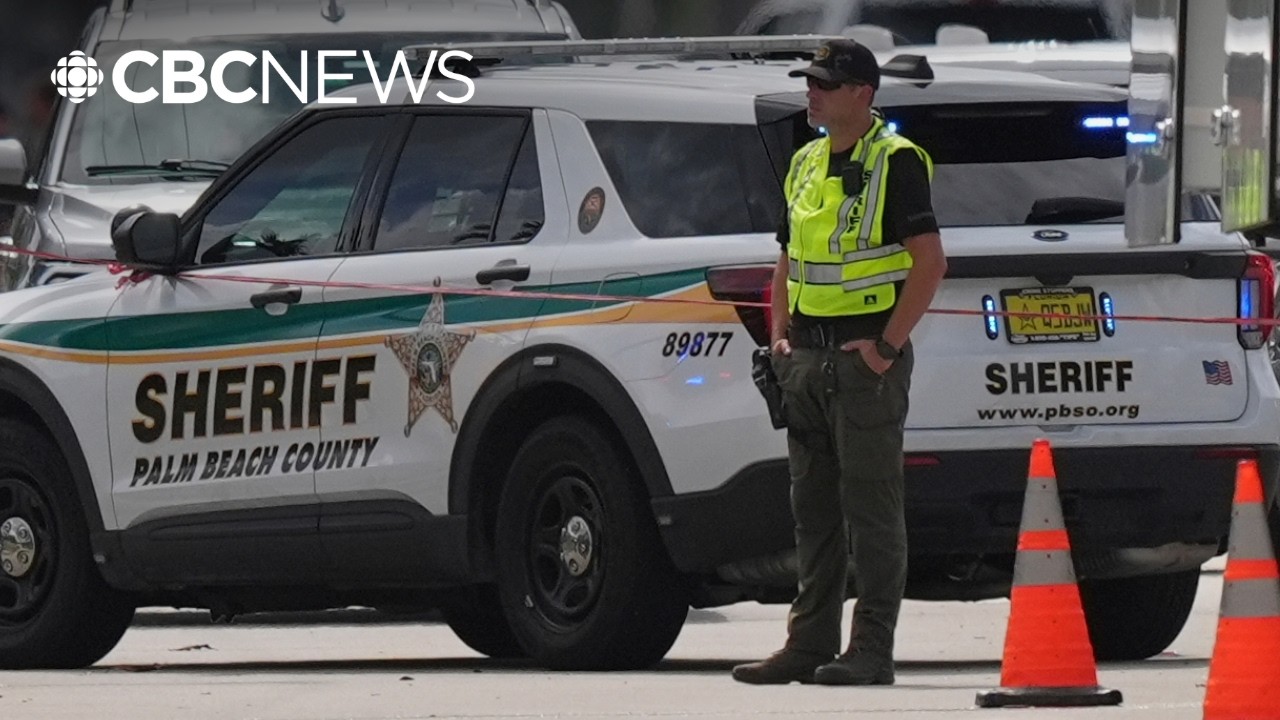 Copilot warned of ice, turbulence before fatal jet crash in Florida
Things we can learn from the video
Press to jump
- 0:17Jamie Strashin identifies the flight's route from Austin, Texas, to the Bahamas.
- 0:46The co-pilot reported ice before the emergency, initially describing the situation as under control.
- 1:16Air traffic control audio captures the mayday call and a report of rapid descent.
- 2:30Timothy Monville describes scattered, small debris while cautioning that estimates of the field's dimensions conflict.
- 2:49Tom Chapman says investigators have some indication that the aircraft was breaking up before impact.
Ice was accumulating and turbulence was jostling the business jet, but the co-pilot initially told air traffic control the situation was under control, according to Canada's Canadian Broadcasting Corporation (CBC) News. The reassurance was followed by a mayday call reporting a rapid descent.
Reporter Jamie Strashin reconstructs that sequence in "Copilot warned of ice, turbulence before fatal jet crash in Florida". CBC reports that all nine people aboard died when the Austin, Texas-to-Bahamas flight crashed in Palm Beach County on Sunday.
The report plays the co-pilot's emergency transmission: "722 Bravo Delta, we're descending 8,000, Mayday, Mayday, we're descending 10,000 feet per minute." The recording documents the deteriorating emergency, but does not establish what caused the crew to lose control.
Cellphone footage shows burning wreckage and a crater in a roadway, with bystanders nearby. Strashin, who says he knows the area, emphasizes how densely populated the surroundings are.
At a briefing included in the report, Timothy Monville, a senior air safety inspector with the National Transportation Safety Board, describes small pieces of wreckage scattered across a broad debris field. He cautions that he is receiving conflicting information about its dimensions.
NTSB board member Tom Chapman gives a preliminary finding: "We do have some indication that the aircraft was breaking up before impact." That remains an investigative lead, not a determination of why the flight ended in a crash.
An independent US federal agency that investigates civil transportation accidents, including aviation crashes, and reports its findings.
More on Wikipedia ›Published on Trari
Where next?



- Channel
- CBC News
- Subscribers
- 4,780,000
- Channel views, last 7 days
- 13,591,707
- Channel views, pace per day
- 1,974,731 (on a normal day: 2,215,588)
- Video published
- November 2, 2026
- Video views so far
- 77,361 (less than a day online)
- Video views, pace per day
- 182,256
The numbers
The report drew about 77,000 views since yesterday, placing it among Canada's most-watched new news uploads.
