
 United States
 United Kingdom
 Canada
 Australia
 New Zealand
 Ireland
Three days of supplies: BBC examines preparing without fearing apocalypse
Lucy Easthope explains how household reserves help emergency services, while Gabriel Gatehouse explores the more individualist world of survivalists.
 BBC News
Story of
Why this story? One of BBC News's most watched videos since yesterday, with 385,832 views.
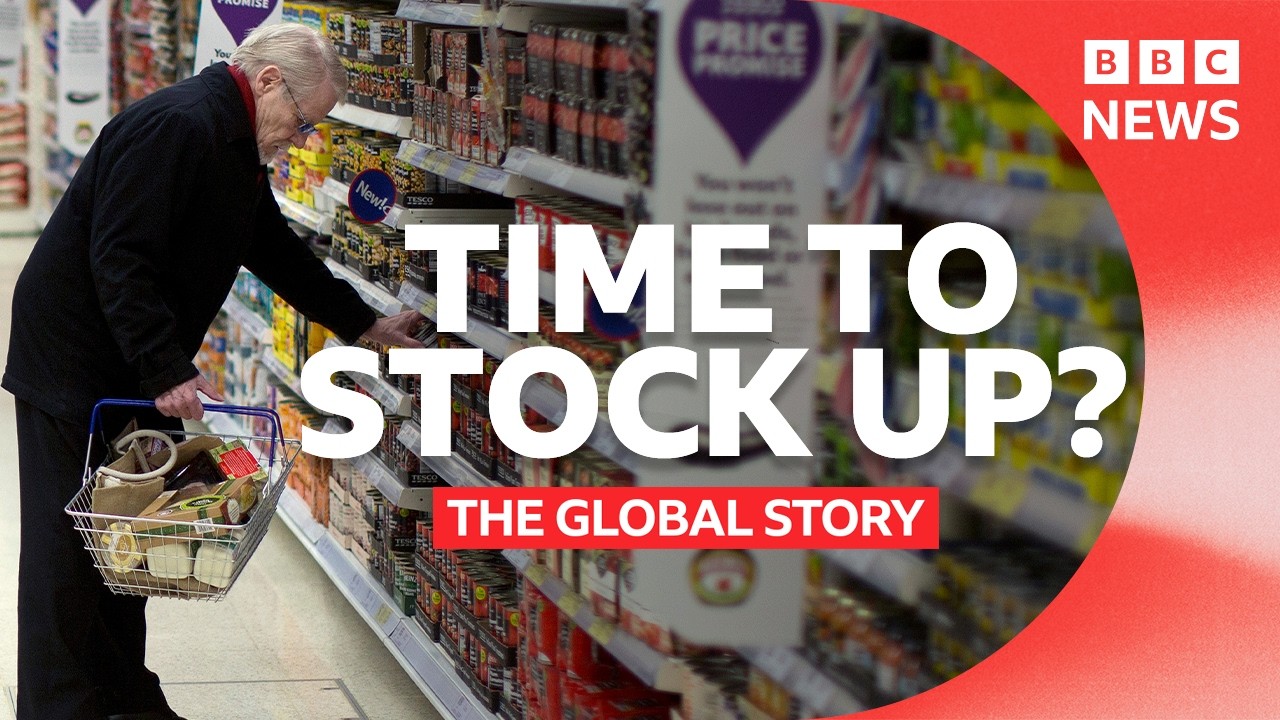 Is the world preparing for the apocalypse? | BBC News
Things we can learn from the video
Press to jump
- 2:35Easthope distinguishes planning for manageable emergencies from trying to prepare for total apocalypse.
- 3:24Plausible disruptions include food shocks, flooding, power cuts and failures of data networks.
- 9:22Household supplies buy emergency services time to reach people who need immediate assistance.
- 10:19Easthope says privately held food-supply information makes national vulnerabilities harder to understand.
- 15:00Gatehouse describes wealthy technology figures preparing luxury bunkers for potential societal breakdown.
- 23:30Prepper Mike Chapple recommends a fortnight's supplies rather than the government's three-day reserve.
"It's very hard to be an emergency planner for an apocalypse," Lucy Easthope tells BBC News. Her work is concerned with emergencies people can prepare for and recover from: flooding, disrupted food supplies and failures of power or data networks.
That distinction anchors The Global Story's examination of the UK's emergency-preparedness campaign. According to the BBC, the government is urging households to keep enough food, water and medicine for three days of disruption, advice similar to that issued elsewhere in Europe.
Speaking to host Tristan Redman, Easthope explains why those household reserves matter beyond the front door. If people can manage their immediate needs, emergency services gain time to reach those who need help most. She also identifies a planning difficulty: privately held information about food supply chains can obscure vulnerabilities.
The episode then moves from public emergency planning to the prepper subculture. Journalist Gabriel Gatehouse traces its roots through Cold War fallout shelters and survivalism, before describing wealthy technology figures' interest in luxury bunkers and private security.
A British prepper, Mike Chapple, offers a less extravagant example in recorded excerpts: canned food stored under the stairs for his family. He regards the government's recommended reserve as insufficient and advocates keeping at least a fortnight's supplies, without panic.
The discussion exposes a tension between protecting a household and helping a neighbourhood. Gatehouse describes preppers' reliance on trusted networks, alongside their reluctance to reveal supplies. Easthope offers a different emphasis: "The best food eaten in crisis is shared with neighbours who didn't have any."
A British expert and adviser on emergency planning and disaster recovery. She co-founded the After Disaster Network at the University of Durham.
More on Wikipedia ›Published on Trari
Where next?


 Is this your channel?For the channel's owners and team: a ready picture and text for your audience
Share the story with your audience. Everything is ready:
For an Instagram story or a WhatsApp status
For a community post or your channel's description
- Channel
- BBC News
- Subscribers
- 20,200,000
- Channel views, last 7 days
- 36,058,509
- Channel views, pace per day
- 5,086,808 (on a normal day: 5,295,568)
- Video published
- November 6, 2026
- Video views so far
- 385,832 (less than a day online)
- Video views, pace per day
- 443,913
The numbers
The episode drew roughly 386,000 views since yesterday, the most of BBC News's new uploads over that period.

💡 Test your knowledge
How long should household supplies last under the UK advice described in this episode?
The BBC describes government advice to keep enough food, water and medicine for three days of disruption.