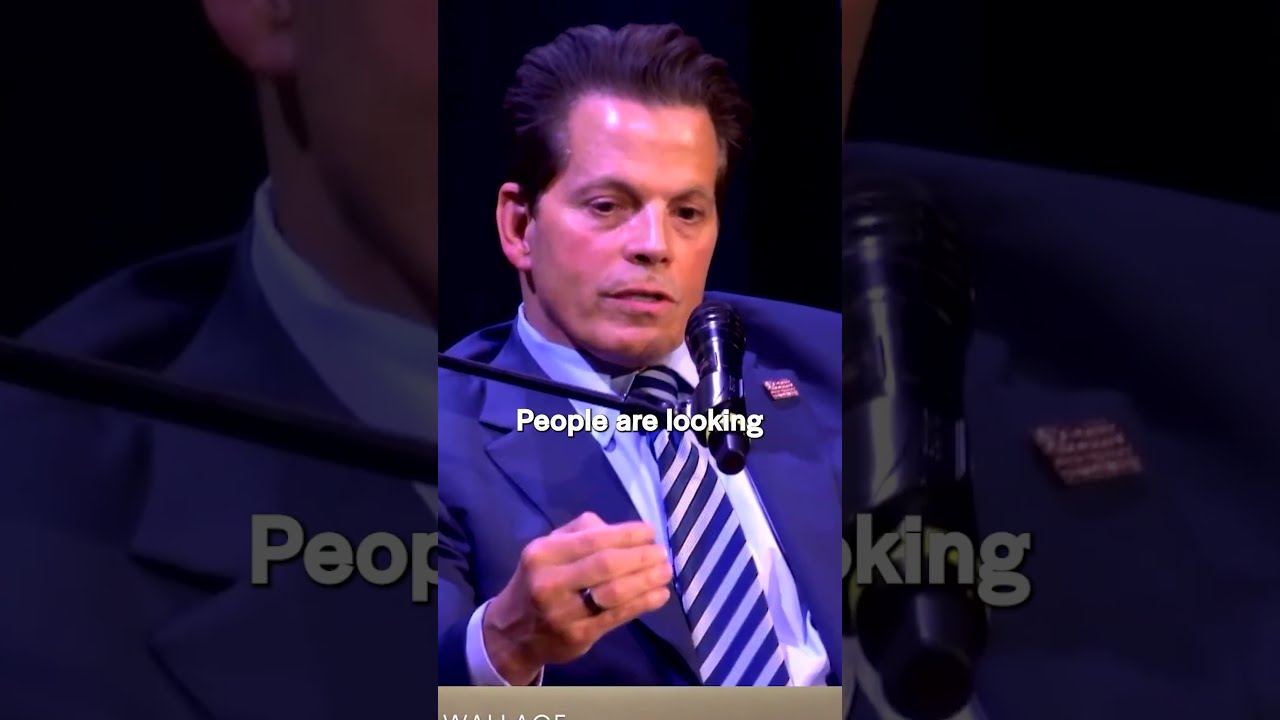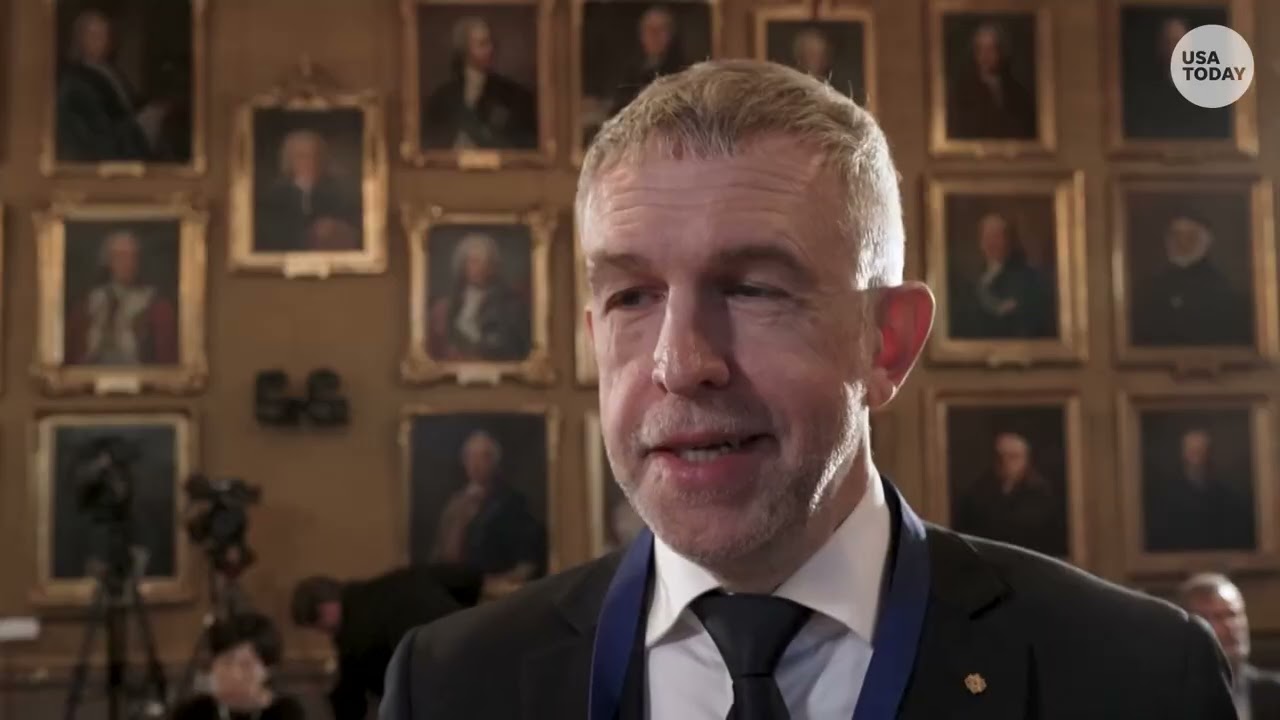
The man who wrote OpenAI's safety reports tells Ezra Klein why he quit
David Robinson's first interview since resigning moves from a 'frenetic' lab culture to nuclear and aviation safety, and the comments thank Klein for staying on the subject.
 The Ezra Klein Show
Story of
The Ezra Klein Show
Story of Why this story? The video opened at a pace of 283,410 views a day, 7.5 times a normal first day on this channel (37,548).
 What This OpenAI Insider Saw That Made Him Quit | The Ezra Klein Show
David Robinson's job at OpenAI was to write the safety reports that accompany new models. Last week he resigned, and he gave his first interview since leaving to Ezra Klein. "What This OpenAI Insider Saw That Made Him Quit" passed 200,000 views about 13 hours after it went up. A long episode here usually ends its whole first day under 40,000. It stands out more because the rest of the channel is running quieter than normal, as are most of the political talk channels close to it in size.
Robinson is an unusual figure for a frontier A.I. lab. The episode description calls him a Rhodes scholar and Yale Law graduate who founded a civil rights nonprofit and advised the Biden White House, someone who "did not come up in the hothouse of Silicon Valley." When he joined OpenAI in 2023, he says, he saw A.I. as a useful tool, not a possible catastrophe. He now believes the company and the wider industry lack the safety culture to protect the world from what they are building. The chapters trace how his view changed: the "frenetic" energy inside the lab, a release pace that kept speeding up, safety testing under pressure, money, coding agents that make development faster still, and what nuclear power and aviation might teach. The episode also notes that The New York Times, which publishes the show, is suing OpenAI and Microsoft over copyright, a claim both companies deny.
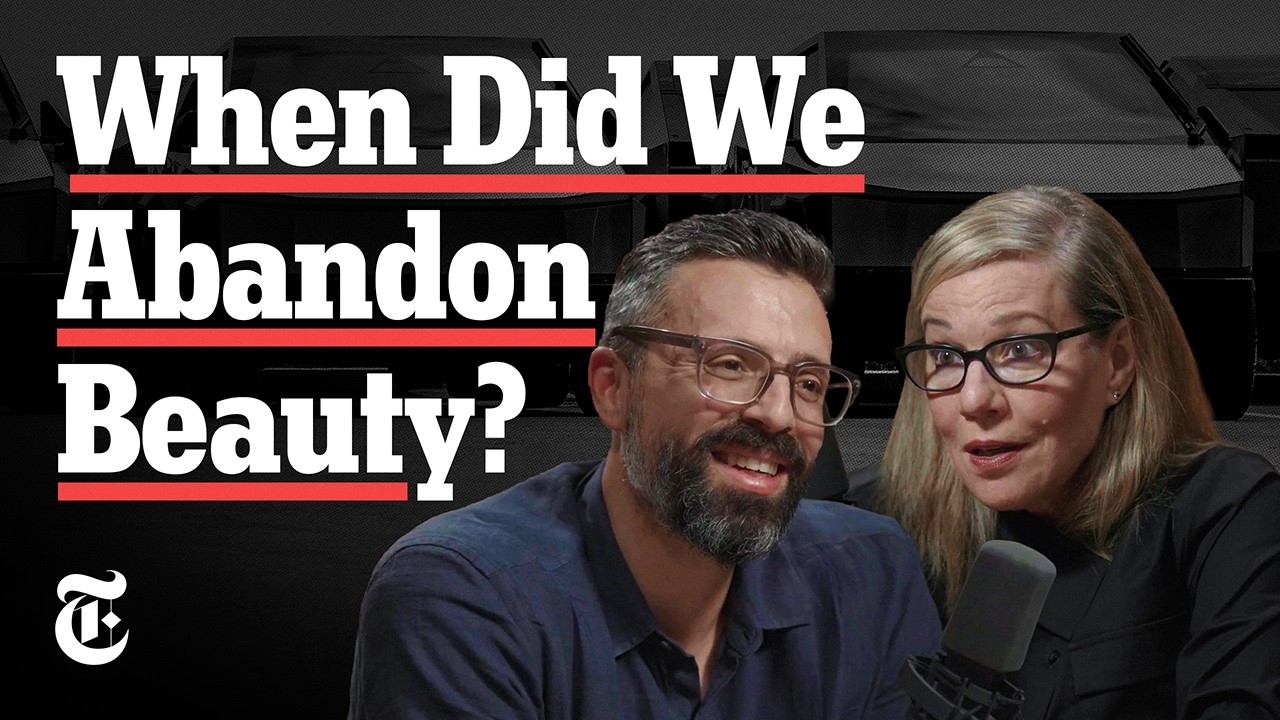
Klein has returned to A.I. again and again, from a Bill Gates warning, as we reported here, to this one, with a detour into design with Debbie Millman in between. Many commenters thank him for staying with the subject. A retired software engineer describes building a complex app with Claude that works far beyond what he could have managed alone, while his own drive to read code slipped away. Others joke about teaching machines to think outside the box and then acting surprised when they do.
A second clip from the conversation, "Do We Even Want the A.I. Bet to Pay Off?", went up the next day, with Klein asking Robinson outright whether superintelligence is something anyone should want.
Published on Trari
Read next
What viewers say
Retired 40 year software engineer here. Over the last few months, I wrote a large complex application with Claude. The good news: The app is sophisticated far, far beyond anything I would ever have attempted on my own, and it works amazingly well. The bad news is that yes, my skills and motivation to read and understand code have pretty much disappeared.
@pdxjjbSee it on YouTubeThey literally teach something to "think outside of the box" and then act shocked when it keeps breaking out of a box
@vxdxvxztxz1723See it on YouTubesometimes I get the impression that the interviewees are most excited by looking forward to sharing their favorite books.
@kenmowrey6387See it on YouTube
5 more comments
Thank you for covering this continuously, Ezra.
@NMcCormick1991See it on YouTubeThank you for continuing to cover this critical issue. I don’t think the broader public is concerned enough about the catastrophic risks of AI and ASI.
@K_ageySee it on YouTubeI don’t think it’s hyperbolic to say this AI series has been one of the most important journalism efforts of my lifetime
@bradley29414See it on YouTubeKeep covering it, Ezra!
@philforrenceSee it on YouTubeHow to capture the sentiment: "Sometimes I think the focus on if AI will kill us all, is a distraction from what happens if it doesn't".
@MetaplayerSee it on YouTube
Public comments from the video's page on YouTube
Is this your channel?
Share the story with your audience: in a community post, in your channel's description or on your socials. The text and the badge are ready.

You may use the picture, the badge, and link it to this story.
- Channel
- The Ezra Klein Show
- Subscribers
- 577,000 ▲ 6,000 this week
- Channel views, last 7 days
- 2,926,788
- Channel views, pace per day
- 227,955 (on a normal day: 374,277)
- Video published
- October 7, 2026
- Video views so far
- 206,748 (less than a day online)
- Video views, pace per day
- 283,410
The numbers
The full conversation with David Robinson moved far faster than a usual episode on this channel, on a day when the channel overall was below its normal pace.

💡 Test your knowledge
OpenAI's ChatGPT was released to the public in which year?
OpenAI released ChatGPT as a free research preview on November 30, 2022.