
 United States
 United Kingdom
 Canada
 Australia
 New Zealand
 Ireland
Doctor Mike explores surgery before anesthesia with Lindsey Fitzharris
The medical historian explains why fast operations were not enough, in a conversation that has passed a million views.
 Doctor Mike
Story of
Why this story? The channel passed the 1,000,000 views mark.
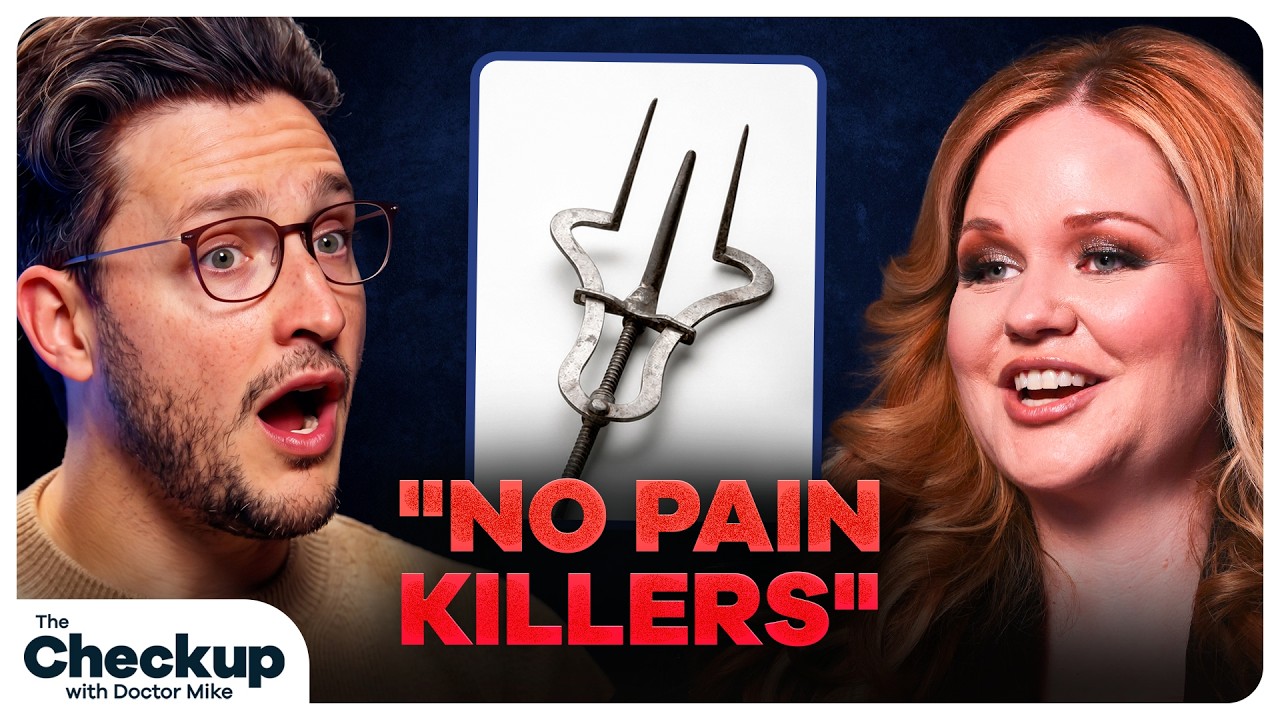 Medical Historian On How Brutal Surgery Was In The 1800's
Next story: Doctor Mike's bedpan guess turns out to be a barber's bleeding bowl
Things we can learn from the video
Press to jump
- 5:01Barber-surgeons practiced bloodletting within a medical system built around balancing bodily humors.
- 11:34Semmelweis's handwashing advocacy met resistance, prompting a discussion of professional ego.
- 14:14The title's brutal surgery history arrives through Robert Liston's rapid amputations before anesthesia.
- 32:40Fitzharris traces Joseph Lister's development of antiseptic surgery using carbolic acid.
- 37:51Joseph Bell's observational approach to patients helped inspire Sherlock Holmes.
- 50:09Harold Gillies's facial reconstruction work treated soldiers wounded during the First World War.
A surgeon who could remove a leg in seconds still had a problem speed could not solve: infection. In Doctor Mike's conversation with medical historian Dr. Lindsey Fitzharris, the distance between a fast operation and a safe one becomes the story.
"Medical Historian On How Brutal Surgery Was In The 1800's" has passed a million views, three weeks after publication. It is a viewing milestone rather than an unusually fast start, but the interview gives readers plenty beyond its alarming title.
Fitzharris recounts Robert Liston's rapid amputations before anesthesia, when shortening an operation meant shortening the patient's ordeal. She then traces a different kind of progress through Joseph Lister's work with antiseptic surgery. Taking away pain and preventing infection were separate breakthroughs, not a single leap into modern medicine.
The conversation also has a warning about professional pride. Discussing Ignaz Semmelweis and the resistance to his advocacy of handwashing, Fitzharris says: "One of the most dangerous things in medicine is not ignorance; it's ego."
There is room beyond the operating table, too. Fitzharris explains how physician Joseph Bell's close observation of patients helped inspire Sherlock Holmes, before turning to Harold Gillies's facial reconstruction work with wounded First World War soldiers.
Among the comments, viewers ask for another Fitzharris appearance. One offers a more domestic measure of the interview's length: it lasted exactly long enough to clean the house.
Published on Trari
Where next?


A professional in this field? Want to write about Science & learning on Trari? Tell us ›
What viewers say
In addition to everything I learned about medical history today. I also learned that it takes me exactly 2 hours to clean my house 😂
@1xKamoSee it on YouTubeThanks for having me on the show, Doctor Mike! It was such a fascinating and interesting conversation - and you are so easy to speak with!
@UnderTheKnifeShowSee it on YouTubewe need more videos with her! shes amazing at educating
@HannahbuoteeeSee it on YouTube
3 more comments
Dr. Fitzharris passion for the subject makes me think I'd be interested in anything she was discussing regardless of the topic.
@ericaabbott2711See it on YouTubeThis woman is a born teacher. The way she can tell a story is mesmerizing. It’s very hard to tell history in an exciting way.
@AngelMegan1991See it on YouTubeI watched the entire podcast at once and really enjoyed it. Lindsey is a fantastic medical historian. Since I live in England, it was really interesting to learn about British medical history. ❤
@Nishauk37See it on YouTube
Public comments from the video's page on YouTube
Want to know when somebody answers you?
 Is this your channel?For the channel's owners and team: a ready picture and text for your audience
Share the story with your audience. Everything is ready:
For an Instagram story or a WhatsApp status
For a community post or your channel's description
- Channel
- Doctor Mike
- Subscribers
- 15,100,000
- Channel views, last 7 days
- 17,787,648
- Channel views, pace per day
- 2,078,174 (on a normal day: 2,824,120)
- Video published
- October 25, 2026
- Video views so far
- 1,014,457 (22 days online)
- Video views, pace per day
- 27,122 (on a normal day: 45,421)
The numbers
The interview has crossed a million views, with daily viewing below its usual pace for this stage after publication.

💡 Test your knowledge
Which author created Sherlock Holmes?
Arthur Conan Doyle created Sherlock Holmes, drawing inspiration in part from physician Joseph Bell.