
 United States
 United Kingdom
 Canada
 Australia
 New Zealand
 Ireland
Doctor Mike traces the tragedies behind patient-protection laws
His medical-history explainer connects exhausted residents, emergency-room access and the legal space for doctors to say sorry.
 Doctor Mike
Story of
Why this story? 901,310 views so far, and here is what is inside it.
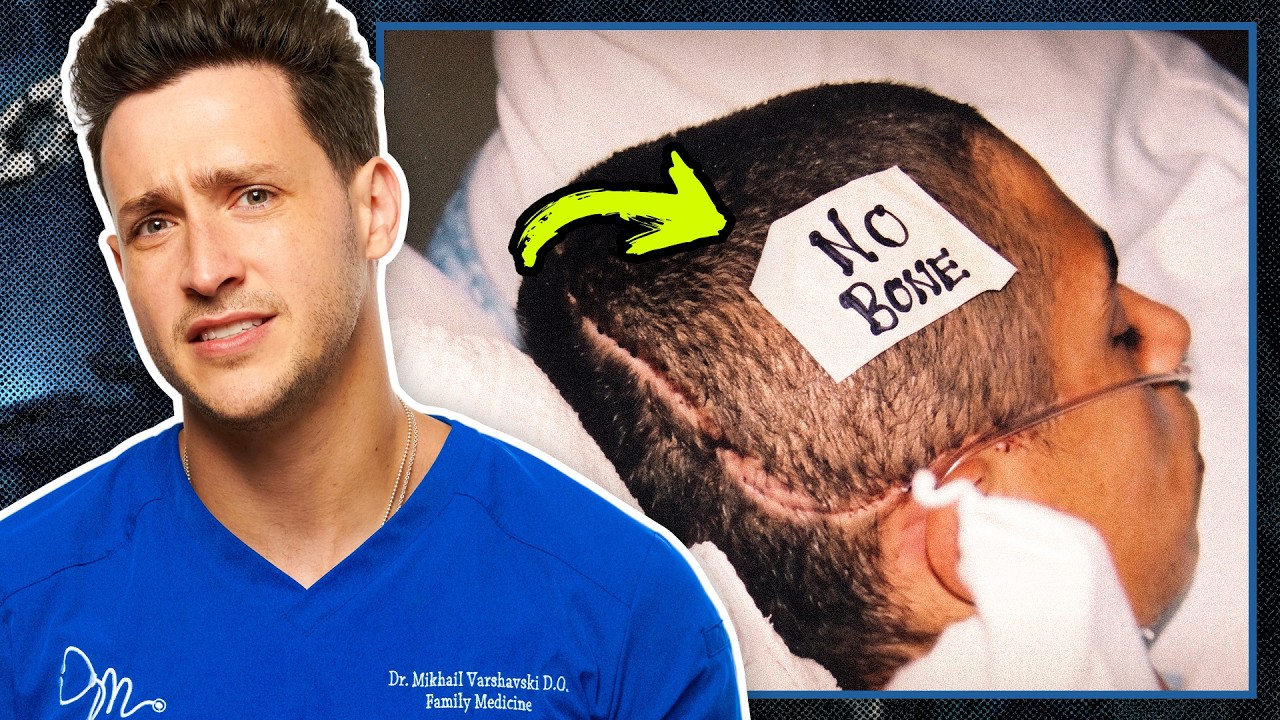 Laws Created After Medical Mistakes
Things we can learn from the video
Press to jump
- 0:20Libby Zion's death connects resident overwork and inadequate supervision to reforms in New York.
- 2:42British body snatching and grave robbing lead into the Anatomy Act of 1832.
- 6:45September 11 responders' health struggles underpin the campaign for healthcare and compensation legislation.
- 16:23EMTALA's history explains efforts to stop hospitals turning away emergency patients.
- The final section explains legal protections for doctors expressing sympathy through "I'm Sorry" laws.
A hospital safeguard can begin with a family asking why someone died. In "Laws Created After Medical Mistakes," Doctor Mike follows that path from individual tragedies to changes intended to protect future patients.
He begins with Libby Zion, who died at 18 in 1984. Mike explains how serotonin syndrome, overworked residents and inadequate supervision figured in her death, then connects the case to New York's Libby Zion Law. The issue is not simply whether a doctor knows the right treatment: it is whether the conditions in which doctors work allow them to provide it safely.
That question has carried into the comments. Viewers repeatedly discuss long medical shifts, comparing the concentration required in a hospital with their own experiences of exhaustion at work.
The video also broadens beyond the medical mistakes of its title. A section on sick September 11 responders follows the push for healthcare and compensation, including Jon Stewart's advocacy. Another reaches back to British grave robbing and the Anatomy Act of 1832, examining how medicine obtained bodies for study.
Near the end, Mike turns to protections that patients may encounter without knowing their history. He explains EMTALA's origins in efforts to stop hospitals turning away emergency patients, then considers "I'm Sorry" laws, which offer legal protection for expressions of sympathy after something goes wrong. The closing distinction is between acknowledging someone's suffering and admitting legal liability.
Published on Trari
Where next?

 Is this your channel?For the channel's owners and team: a ready picture and text for your audience
Share the story with your audience. Everything is ready:
For an Instagram story or a WhatsApp status
For a community post or your channel's description
- Channel
- Doctor Mike
- Subscribers
- 15,100,000
- Channel views, last 7 days
- 16,769,165
- Channel views, pace per day
- 2,955,984 (on a normal day: 2,767,664)
- Video published
- November 1, 2026
- Video views so far
- 901,310 (2 days online)
- Video views, pace per day
- 423,450 (on a normal day: 655,086)
The numbers
The explainer has reached about 900,000 views since publication. Its subject, rather than an unusual viewing surge, is the story.
