
 United States
 United Kingdom
 Canada
 Australia
 New Zealand
 Ireland
Sherlock Holmes' medical roots get a Doctor Mike consultation
Medical historian Lindsey Fitzharris connects Victorian surgery with Joseph Bell, the observant physician who inspired Conan Doyle's detective.
 Doctor Mike
Story of
Why this story? The channel's weekly summary: what went up this week, what is drawing views now, and where the channel stands among similar channels.
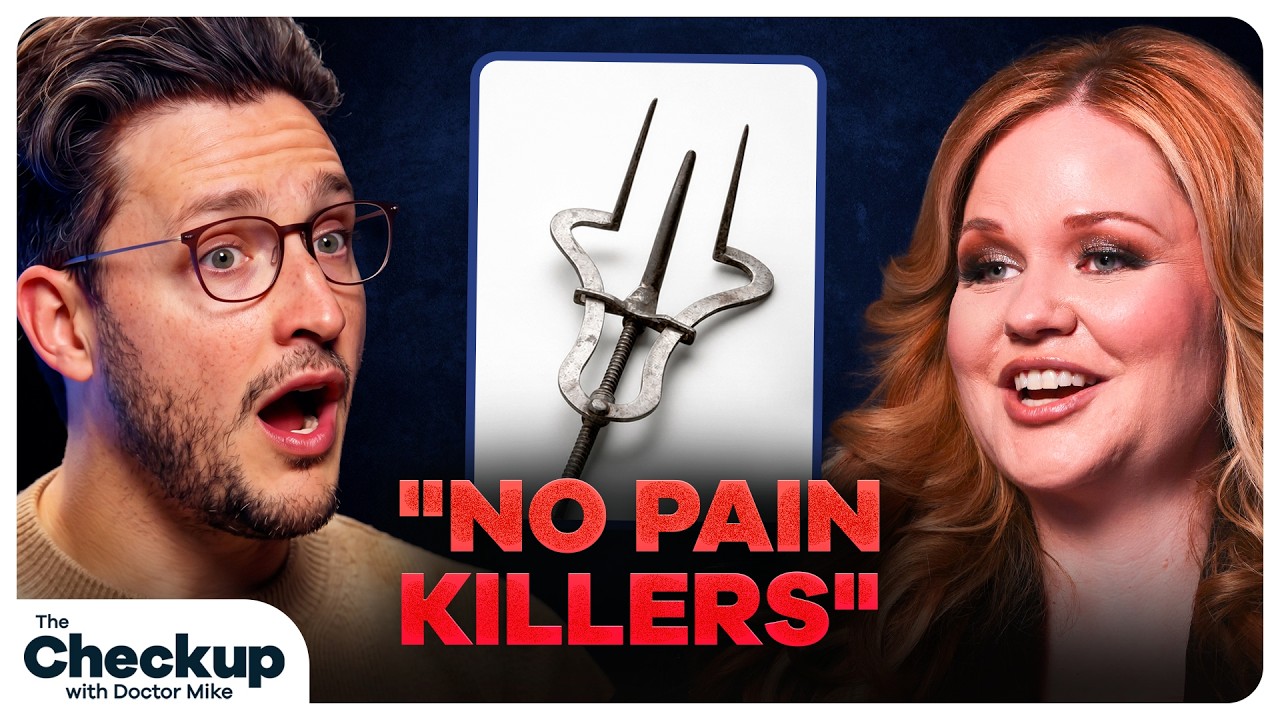 What Surgery Was Like In The 1800's | Dr. Lindsey Fitzharris
Things we can learn from the video
Press to jump
- 5:01Barber-surgeons practiced bloodletting within a medical system built around balancing bodily humors.
- 14:14Before anesthesia, surgeon Robert Liston's reputation rested partly on the speed of his amputations.
- 32:40Fitzharris explains how Joseph Lister developed antiseptic surgery using carbolic acid.
- 37:51Joseph Bell's diagnostic observation helped inspire Sherlock Holmes, the subject connecting Fitzharris's book with the interview.
- 50:09Harold Gillies developed reconstructive techniques for soldiers with facial injuries during World War I.
Joseph Bell taught medical students to read a patient's body like a crime scene. That makes him a particularly fitting guest of honor, historically speaking, in Doctor Mike's conversation with medical historian Dr. Lindsey Fitzharris.
"What Surgery Was Like In The 1800's | Dr. Lindsey Fitzharris" stretches from barber-surgeons and bloodletting to antiseptics and reconstructive surgery. Around the halfway mark, Fitzharris introduces the subject of her book Sleuth-Hound: Bell, whose powers of observation helped inspire Sherlock Holmes. Diagnosis and detective work turn out to have quite a bit to discuss.
The interview is the most-watched of Doctor Mike's three new uploads, approaching 400,000 views. Its length has become part of the conversation, too: one viewer reports getting an entire house-cleaning session out of it, while others ask for another Fitzharris appearance or discuss her books.
The other releases return to familiar reaction territory: "Doctor Mike Reacts To 1000 Medical TikToks | COMPILATIONS" and "What Paramedics See at 3 AM Is Terrifying." The paramedic upload is already close to the interview's total and currently draws the most daily views on the channel. Fitzharris also appears in the previous week's "The Worst Medical Devices In History," which continues to attract substantial viewing.
Across the channel, the week brought roughly 20 million views, with subscribers unchanged. Daily viewing is now less than half its usual level. Among nearby health channels, Dr. Eric Berg DC had a similarly substantial weekly audience, while Dr. Tracey Marks added subscribers. For Doctor Mike, the distinctive addition is a long conversation that makes room for both the operating theater and Sherlock Holmes.
Published on Trari
Where next?



What viewers say
In addition to everything I learned about medical history today. I also learned that it takes me exactly 2 hours to clean my house 😂
@1xKamoSee it on YouTubeI watched the entire podcast at once and really enjoyed it. Lindsey is a fantastic medical historian. Since I live in England, it was really interesting to learn about British medical history. ❤
@Nishauk37See it on YouTubewe need more videos with her! shes amazing at educating
@HannahbuoteeeSee it on YouTube
3 more comments
how many books is this woman writing 😭😭 she’s unreal! what an awesome guest 🤩
@jodikreinerSee it on YouTubeWhat an epic episode! She is very compelling and great at story telling. Thank you for having her on the podcast!
@toph7See it on YouTubeDr. Lindsey is such an amazing resource. Videos including her are always my favorite!
@AM-tk4guSee it on YouTube
Public comments from the video's page on YouTube
 Is this your channel?For the channel's owners and team: a ready picture and text for your audience
Share the story with your audience. Everything is ready:
For an Instagram story or a WhatsApp status
For a community post or your channel's description
The videos drawing views on Doctor Mike right now


- Channel
- Doctor Mike
- Subscribers
- 15,100,000
- Channel views, last 7 days
- 19,749,719
- Videos published this week
- 3
- Video published
- October 25, 2026
- Video views so far
- 396,553
- Views on its first day
- 235,338
The numbers
Here is Doctor Mike's week in views, subscribers and uploads.

💡 Test your knowledge
Which physician helped inspire Sherlock Holmes?
Fitzharris explains how Bell's close observation of patients helped inspire Conan Doyle's detective.