
 United States
 United Kingdom
 Canada
 Australia
 New Zealand
 Ireland
Doctor Mike explains Narcan and misfiring defibrillators in Nightwatch
His overnight-emergency review also raises a difficult question: what happens when a patient refuses the hospital?
 Doctor Mike
Story of
Why this story? 879,139 views so far, and here is what is inside it.
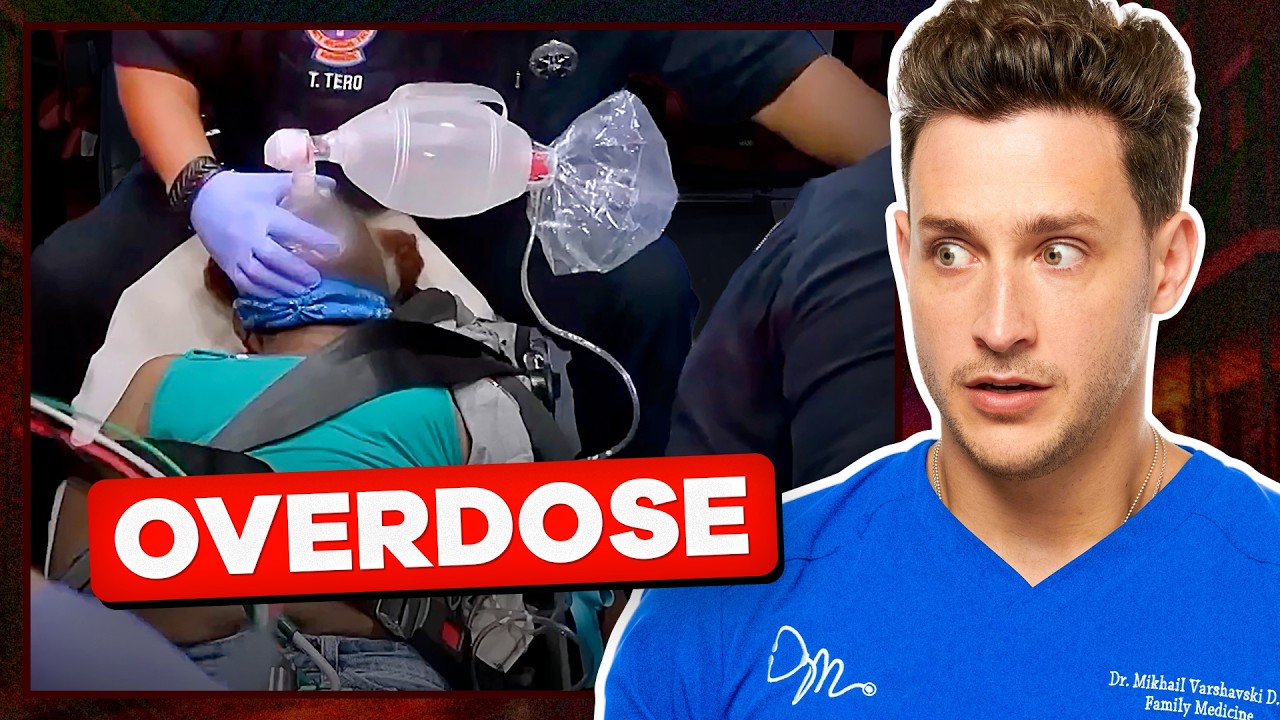 What Paramedics See at 3 AM Is Terrifying
Things we can learn from the video
Press to jump
- 0:17Mike distinguishes stopped breathing from cardiac arrest and explains naloxone's role in reversing an opioid overdose.
- 8:17A repeatedly firing implanted defibrillator prompts an explanation of how it differs from a pacemaker.
- 12:53Cleaning-chemical exposure triggers an asthma emergency; Mike explains airway irritation and severe attacks.
- 17:05A crash patient's arm injury leads Mike to explain compartment syndrome and the risks of improvised tourniquets.
- 20:59Mike considers medical causes of a fast heart rate and urges clinicians to ask about anxiety rather than assume.
- 22:20Dog-bite treatment brings explanations of rabies prevention and why puncture wounds may be left open.
Someone can stop breathing while their heart is still beating. That distinction is Doctor Mike's starting point as he examines an apparent opioid overdose in Nightwatch, the documentary series following emergency responders.
In "What Paramedics See at 3 AM Is Terrifying," the family physician pauses the footage to explain what paramedics are treating, and why. He distinguishes respiratory arrest from cardiac arrest and explains how naloxone, sold as Narcan, can reverse an opioid overdose. His instruction is direct: "If you find someone who you suspect had an overdose and you have Narcan available, give it, even if you're not sure."
Another call involves a man whose implanted defibrillator keeps firing. Mike explains the difference between a device designed to deliver shocks for dangerous heart rhythms and a pacemaker. But the patient's refusal to go to the hospital becomes a separate focus in the comments. Several viewers identifying themselves as paramedics or EMTs explain that a patient who understands the risks can refuse transport, even when responders believe staying home is dangerous.
The review also follows an asthma emergency after exposure to cleaning chemicals. Mike explains that bleach can irritate the airways and describes how severe an asthma attack can become.
Later, an injured patient's elevated heart rate brings a pointed reminder about bedside communication. Rather than assuming anxiety explains the reading, Mike wants clinicians to ask. "Ask the patient if they're anxious!" he says, keeping the patient's own account at the center of the assessment.
Published on Trari
Where next?



 Is this your channel?For the channel's owners and team: a ready picture and text for your audience
Share the story with your audience. Everything is ready:
For an Instagram story or a WhatsApp status
For a community post or your channel's description
- Channel
- Doctor Mike
- Subscribers
- 15,100,000
- Channel views, last 7 days
- 17,894,034
- Channel views, pace per day
- 3,769,654 (on a normal day: 2,875,320)
- Video published
- October 28, 2026
- Video views so far
- 879,139 (3 days online)
- Video views, pace per day
- 224,641 (on a normal day: 262,128)
The numbers
The Nightwatch review has reached about 880,000 views in three days. Its opening audience was ordinary for Doctor Mike; the medical explanations are the story here.
