
 United States
 United Kingdom
 Canada
 Australia
 New Zealand
 Ireland
Kati Morton makes room for guilt after saying no
Four uploads explore people-pleasing, with her longer boundary-setting guide drawing about 20,000 views.
 Kati Morton
Story of
Why this story? The channel's weekly summary: what went up this week, what is drawing views now, and where the channel stands among similar channels.
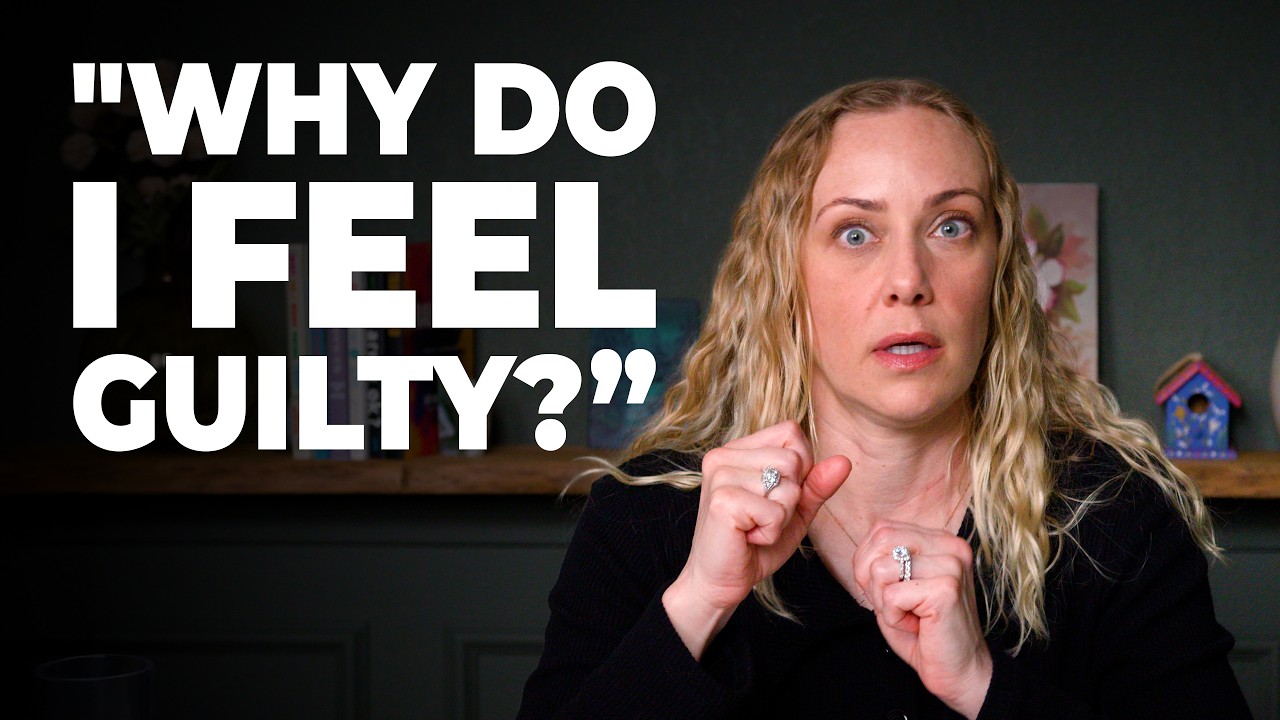 People-Pleasing: Why Saying No Makes You Feel Guilty
Next story: Capable, but second-guessing yourself? Kati Morton separates the two
Things we can learn from the video
Press to jump
- 3:05Morton explains how earning approval through accommodating others can establish a lasting people-pleasing habit.
- 6:51Feeling uncomfortable about someone's disappointment is different from having done something wrong.
- 10:48Over-explaining and repeated apologies can become attempts to get reassurance about a boundary.
- 17:43Her steps include deciding before explaining, keeping refusals brief and allowing some guilt without changing the answer.
- 20:00Before reversing a refusal, ask whether circumstances changed or whether you simply want relief from guilt.
- 21:03When seeking another opinion, distinguish constructive feedback from permission to make your own decision.
Saying no is one decision. Resisting the urge to take it back can be another entirely. Kati Morton spends her newest longer video on that uncomfortable interval, when an explanation becomes an apology and someone else's disappointment starts to feel like a verdict.
"People-Pleasing: Why Saying No Makes You Feel Guilty" was the most watched of her four uploads this week. The licensed marriage and family therapist traces the habit back to learning that being helpful and accommodating earns approval, then separates doing something wrong from giving someone an answer they didn't want. The video includes a sponsored supplement segment.
Her practical emphasis is on keeping a refusal brief and pausing before reversing it. At that pause, she suggests asking whether circumstances have changed or whether you simply want the guilt to stop. As Morton puts it: "I can feel guilty and still keep my answer."
Viewers discuss the automatic impulse to agree, the exhaustion of over-explaining and the difficulty of letting another person be disappointed. Several describe practicing boundaries rather than waiting for them to feel comfortable.
The other uploads revisit that distinction from different angles. "People Pleasing Isn't About Making People Happy" is currently her busiest individual video for daily views, while October's "Emotionally Immature Parents: Why You Don't Trust Yourself" continues to draw viewers and is approaching 300,000 views.
Across the channel, daily views are above their usual level, though subscribers were unchanged over the week. The connection between the October essay and this week's guide is particularly clear: Morton returns to the difference between asking others for useful feedback and asking them for permission to make your own choice.
Published on Trari
Where next?



What viewers say
Something subtle happens when we over-explain a boundary: we start treating a personal decision like an argument we need to win. Sometimes a simple "I can't do that" is healthier than three paragraphs trying to make everyone comfortable.
@RelaxunoOfficialSee it on YouTube"Spot on about how automatic the urge to say yes becomes. You end up treating other people's momentary discomfort as your personal responsibility. Learning to pause before agreeing and giving yourself permission to let someone else be briefly disappointed is such an essential shift."
@YashRaj-ly1fcSee it on YouTubeMy therapist I’m seeing currently has helped me improve a lot at cutting down people pleasing! I used to be a really persistent people pleaser, but setting boundaries and being able to say no within reason is super powerful
@admirbarucija2018See it on YouTube
3 more comments
4:35 I was raised to believe that my value as an individual would be measured against my contributions and how resourceful I was to others, as if my worth to others was based on my productivity.
@johnpfaff7532See it on YouTubeGuilt can signal that a boundary is unfamiliar, not that it is unkind. Practising a brief pause before agreeing gives people room to choose from their values rather than automatic fear.
@NeuroviaxAcademySee it on YouTubeIt's uncomfortable enough to hold my boundaries, but the way Ive depleted myself for the people who didn't matter left me with so very little left for those that do actually care, it gets compounded.
@TracE5.4See it on YouTube
Public comments from the video's page on YouTube
Want to know when somebody answers you?
 Is this your channel?For the channel's owners and team: a ready picture and text for your audience
Share the story with your audience. Everything is ready:
For an Instagram story or a WhatsApp status
For a community post or your channel's description
The videos drawing views on Kati Morton right now


- Channel
- Kati Morton
- Subscribers
- 1,560,000
- Channel views, last 7 days
- 562,782
- Videos published this week
- 4
- Video published
- November 9, 2026
- Video views so far
- 20,388
- Views on its first day
- 12,237
The numbers
Here is how Kati Morton's channel and recent uploads performed this week.
