
 United States
 United Kingdom
 Canada
 Australia
 New Zealand
 Ireland
Bryan Johnson tests psilocybin against his longevity checklist
His documentary pairs medically supervised psychedelic sessions with extensive testing, but the personal question is whether he can surrender control.
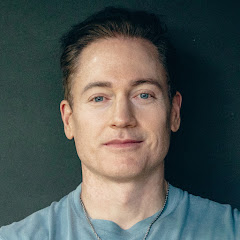 Bryan Johnson
Story of
Why this story? The video is running at 291,386 views a day, 9.1 times its usual pace (31,926).
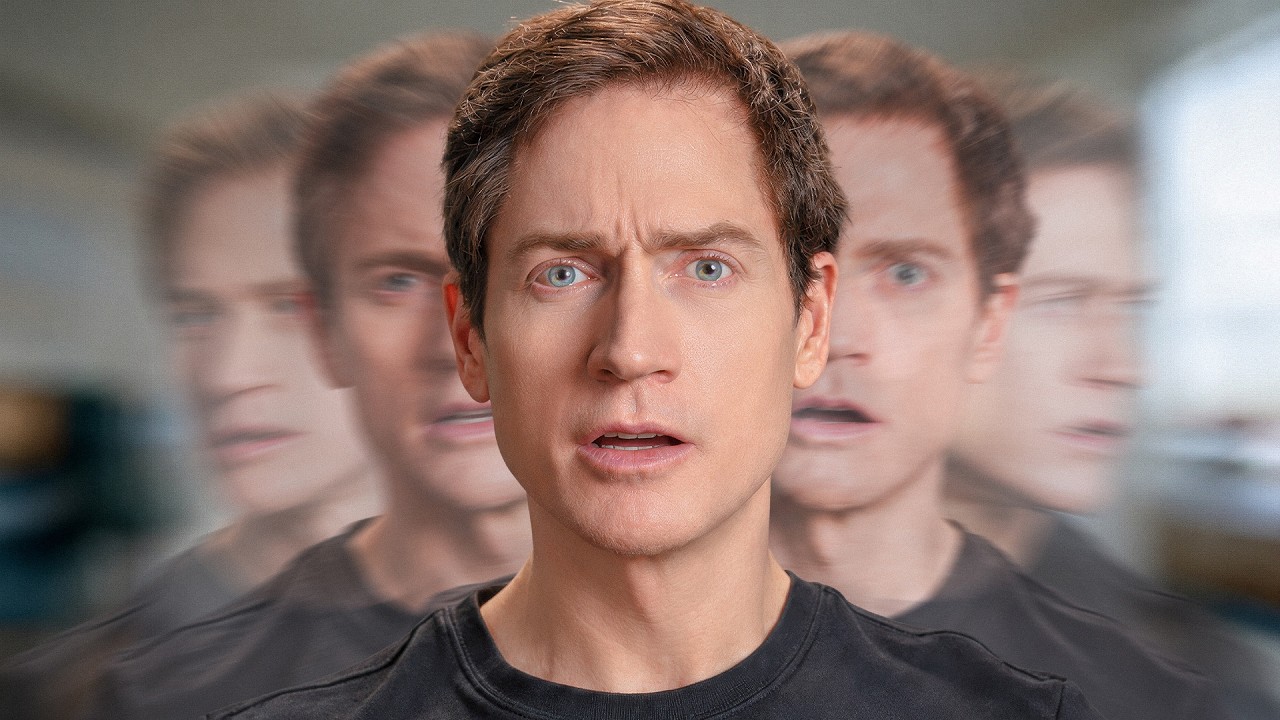 The Longevity Effects Of Psilocybin
Things we can learn from the video
Press to jump
- 2:21A cellular-lifespan study prompts Johnson to investigate psilocybin, despite his preference for control and precision.
- 6:28Johnson worries that a psychedelic experience could change his identity or commitment to Blueprint.
- 15:12After the first session, Johnson reports changes in stress hormones and blood sugar control.
- 24:00The evidence chapter reviews reported glucose, inflammation, hormone and gut microbiome changes across the experiment.
- 30:56Johnson says psilocybin does not replace sleep, nutrition or movement, and calls the experiment no endorsement.
"The Longevity Effects Of Psilocybin" begins with a problem for someone devoted to precision: a psychedelic experience means giving up the steering wheel. Bryan Johnson wants measurements, but he also worries about losing the discipline and sense of purpose behind his Blueprint project.
That tension runs through the October documentary, which has added roughly 290,000 views in a day, around nine times its usual daily pace. It is drawing fresh attention even after Johnson's newer uploads about travel routines and the internet's questions about his life.
A study reporting extended cellular lifespan in human fibroblasts sparks his interest. Johnson and his team then build a protocol covering 249 biomarkers across two medically supervised sessions. Blood draws, brain scans and thermal imaging sit alongside a much less quantifiable experience: wonder, heightened sensations and the effort to let go.
"But then again, feelings aren't data," Johnson says after describing the first session.
The evidence chapter arrives at 24:00. Johnson reports lower average blood glucose, reductions in morning cortisol and changes in inflammation measurements. He interprets the results as support for psilocybin's potential as a longevity therapy; the description says the findings need replication.
He also says the experiment is not an endorsement of magic mushrooms and that they do not replace sleep, nutrition and movement. The description warns of serious psychological risks and advises against attempting it alone.
In the comments, the conversation extends beyond biomarkers. Viewers pick up on the contrast between Johnson's "Don't Die" mission and his exploration of control, with some framing the shift as learning to fear death less rather than simply trying to postpone it.
Published on Trari
Where next?



What viewers say
Slowly moving from "Don't die" to "Don't be afraid to die"
@BrioshieSee it on YouTubeThe control thing he keeps talking about… it’s funny because life is fundamentally uncontrollable, and the more we try to control it the more out of control we become and the closest thing to control we can ever have is letting go of it..
@dukevudaSee it on YouTubeThe editing is just wow....😮
@HealthUnspokenSee it on YouTube
Public comments from the video's page on YouTube
 Is this your channel?For the channel's owners and team: a ready picture and text for your audience
Share the story with your audience. Everything is ready:
For an Instagram story or a WhatsApp status
For a community post or your channel's description
- Channel
- Bryan Johnson
- Subscribers
- 2,260,000 ▲ 10,000 this week
- Channel views, last 7 days
- 2,830,649
- Channel views, pace per day
- 506,451 (on a normal day: 435,894)
- Video published
- October 21, 2026
- Video views so far
- 825,273 (19 days online)
- Video views, pace per day
- 291,386 (on a normal day: 31,926)
The numbers
The October documentary is gaining views far faster than its usual daily pace, with a fresh burst of comments alongside it.
