
 United States
 United Kingdom
 Canada
 Australia
 New Zealand
 Ireland
Trump promises to become "Mr. Veto" if Democrats win Congress
CNN's panel divides over whether the threat signals a negotiating tactic or a refusal to accept voters' priorities.
 CNN
Story of
Why this story? One of the most watched videos since yesterday, with 186,502 views.
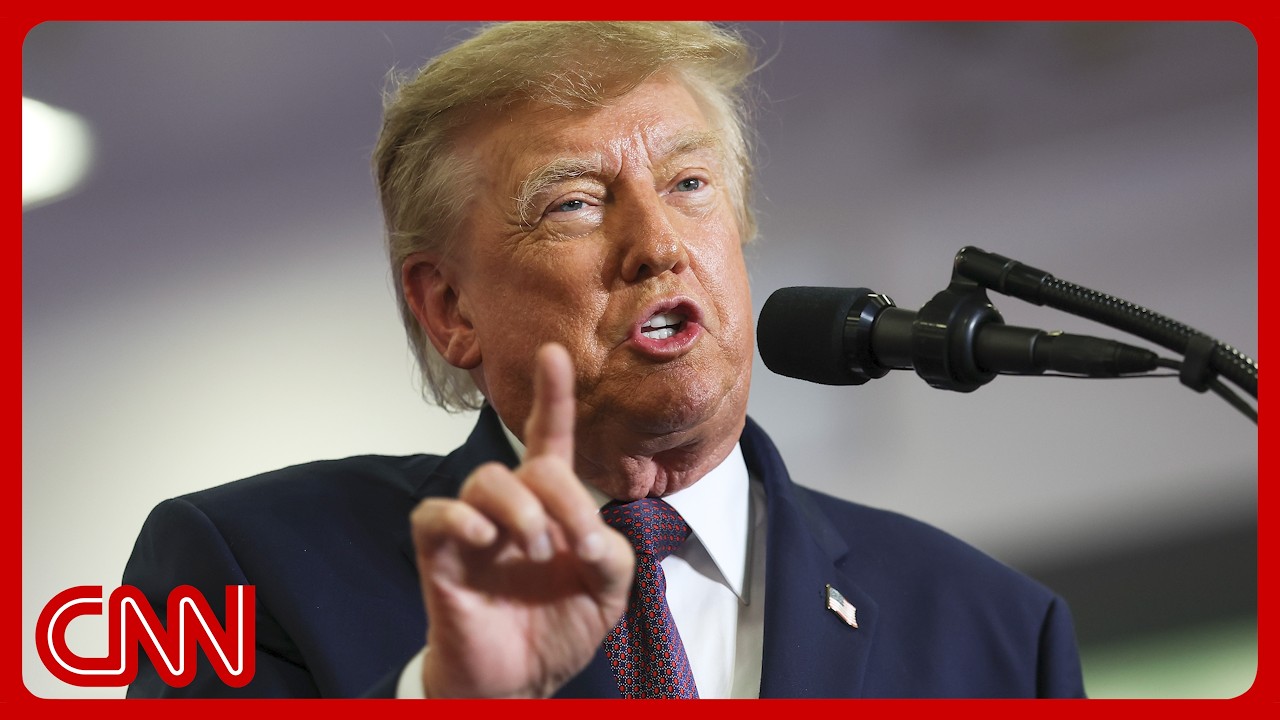 Trump: I'll become 'Mr. Veto' if Dems win Congress
Things we can learn from the video
Press to jump
- 0:18Trump says he would veto Democratic legislation before eventually making deals.
- 1:32Pete Seat predicts domestic gridlock and interprets vetoes as negotiating tactics.
- 2:38Maria Cardona argues that blanket veto threats disregard voters' choices.
- 4:09Stephen Collinson examines Trump's preparations for possible defeat and the prospect of congressional investigations.
- 8:40Jessica Taylor assesses competitive Senate races; Doug Heye follows with criticism of Roger Marshall's Kansas strategy.
- 13:08Michigan voters identify affordability, inflation and climate change among their concerns.
Donald Trump is describing what he would do with a Democratic-controlled Congress before voters have finished choosing it: reject its legislation, then negotiate.
"But if we didn't win, I'd veto everything. I'll be vetoing, vetoing," he says in the interview footage that opens CNN's new report. He gives that prospective role a name: "Mr. Veto."
The upload has drawn about 187,000 views in its first two and a half hours. Its central question goes beyond who wins Tuesday's midterms to what governing would look like afterward.
Pete Seat, a former Bush White House spokesperson, tells Wolf Blitzer to expect domestic gridlock. He interprets vetoes as negotiating tools and predicts Trump would turn more attention toward international affairs. Democratic commentator Maria Cardona offers a different reading: that threatening blanket rejection disregards the priorities voters express at the ballot box.
A presidential veto is powerful, but not absolute. Congress can override one with a two-thirds vote in each chamber, a considerably higher hurdle than passing ordinary legislation.
CNN senior politics reporter Stephen Collinson also sees Trump's remarks as evidence that he is considering the possibility of a Republican defeat. His analysis raises a separate consequence of Democratic control: congressional investigations, not simply bills arriving for a presidential signature.
The later discussion returns to the uncertainty of the election itself. Cook Political Report's Jessica Taylor examines competitive Senate contests, while Republican strategist Doug Heye questions Roger Marshall's Kansas campaign strategy. Interviews with Michigan voters bring the conversation back to household concerns, including affordability and inflation, alongside climate change.
Published on Trari
Where next?


 Is this your channel?For the channel's owners and team: a ready picture and text for your audience
Share the story with your audience. Everything is ready:
For an Instagram story or a WhatsApp status
For a community post or your channel's description
- Channel
- CNN
- Subscribers
- 20,000,000
- Channel views, last 7 days
- 137,236,237
- Channel views, pace per day
- 21,371,065 (on a normal day: 18,780,634)
- Video published
- November 2, 2026
The numbers
The viewing total reflects the report's opening hours today, not a full day's audience.

💡 Test your knowledge
Which election-analysis publication does Jessica Taylor represent in CNN's discussion?
Taylor appears in the report as an analyst from Cook Political Report.