
 United States
 United Kingdom
 Canada
 Australia
 New Zealand
 Ireland
Captain Steeeve asks whether the Learjet's elevator failed first
Pieces of the tail surface turned up as far as 3.8 miles from the Palm Beach County crash site, and his update weighs whether they were a cause or a consequence.
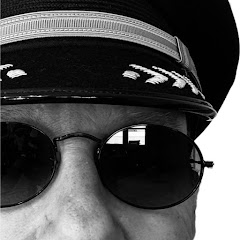 Captain Steeeve
Story of
Why this story? The video opened at a pace of 4,385,680 views a day, 13 times a normal first day on this channel (343,987).
 Learjet Crash Update: NTSB Finds Tail Debris Miles Away | Captain Steeeve
Things we can learn from the video
Press to jump
- 0:00Captain Steeeve introduces the latest NTSB briefings on the Learjet 60 crash near West Palm Beach.
- 2:40The first officer's radio calls reported moderate turbulence, altitude fluctuations and icing conditions.
- 3:45A diagram explains storm updrafts and downdrafts, and the FAA rule to stay 20 nautical miles away.
- 7:24Tom Chapman reports the left elevator was found in three pieces, 1.3 to 3.8 miles away.
- 9:08A model airplane shows how the elevator controls pitch and what losing it does to control.
- 10:00A dashcam still shows the jet falling nose-down; he discusses image artifacts and the missing tail surface.
Captain Steeeve's third look at the November 1 Learjet 60 crash in Palm Beach County turns on a single question. Investigators have found pieces of the jet's left elevator miles from where it came down, so part of the aircraft separated before impact. Did that separation help bring the plane down, or did the forces of the descent tear the surface away?
The evidence comes from NTSB board member Tom Chapman, whose briefing the video plays: "The majority of the aircraft's left elevator was located in three pieces within a range about 1.3 to 3.8 miles away from the accident site." All nine people aboard were killed, and the NTSB has not determined a probable cause.
The retired airline captain and former Naval aviator, who wears his captain's uniform on camera, builds the rest around how a pilot would read that finding. He returns to the first officer's radio reports of turbulence, altitude changes and icing. He uses a diagram of thunderstorm updrafts and downdrafts to explain why crews are required to keep 20 nautical miles from storms. Then a model airplane shows what the elevator does: it controls pitch, raising or lowering the nose, and losing it means losing that control. He also cites Flightradar24's figure of a descent at one point of 32,000 feet per minute.
The channel built much of its audience on careful crash coverage; its most watched regular video is an Air India 171 update. This one drew more than eight times its usual first-day comments within nine hours. The aviation channel Pilot Debrief, which also covered the crash, is having an unusually busy day too.
Published on Trari
Where next?


 Is this your channel?For the channel's owners and team: a ready picture and text for your audience
Share the story with your audience. Everything is ready:
For an Instagram story or a WhatsApp status
For a community post or your channel's description
- Channel
- Captain Steeeve
- Subscribers
- 1,260,000 ▲ 40,000 this week
- Channel views, last 7 days
- 8,630,431
- Channel views, pace per day
- 3,301,508 (on a normal day: 758,623)
- Video published
- November 4, 2026
- Video views so far
- 2,424,613 (less than a day online)
- Video views, pace per day
- 4,385,680
The numbers
This update gathered more than two million views in its first nine hours, while the channel's daily views ran at more than four times their usual pace.
