
 United States
 United Kingdom
 Canada
 Australia
 New Zealand
 Ireland
Mentour Pilot explains why El Al 1862 became uncontrollable
Petter Hörnfeldt traces the disaster from hidden cracks in engine attachments to wing damage the crew could not overcome.
 Mentour Pilot
Story of
Why this story? 829,440 views so far, and here is what is inside it.
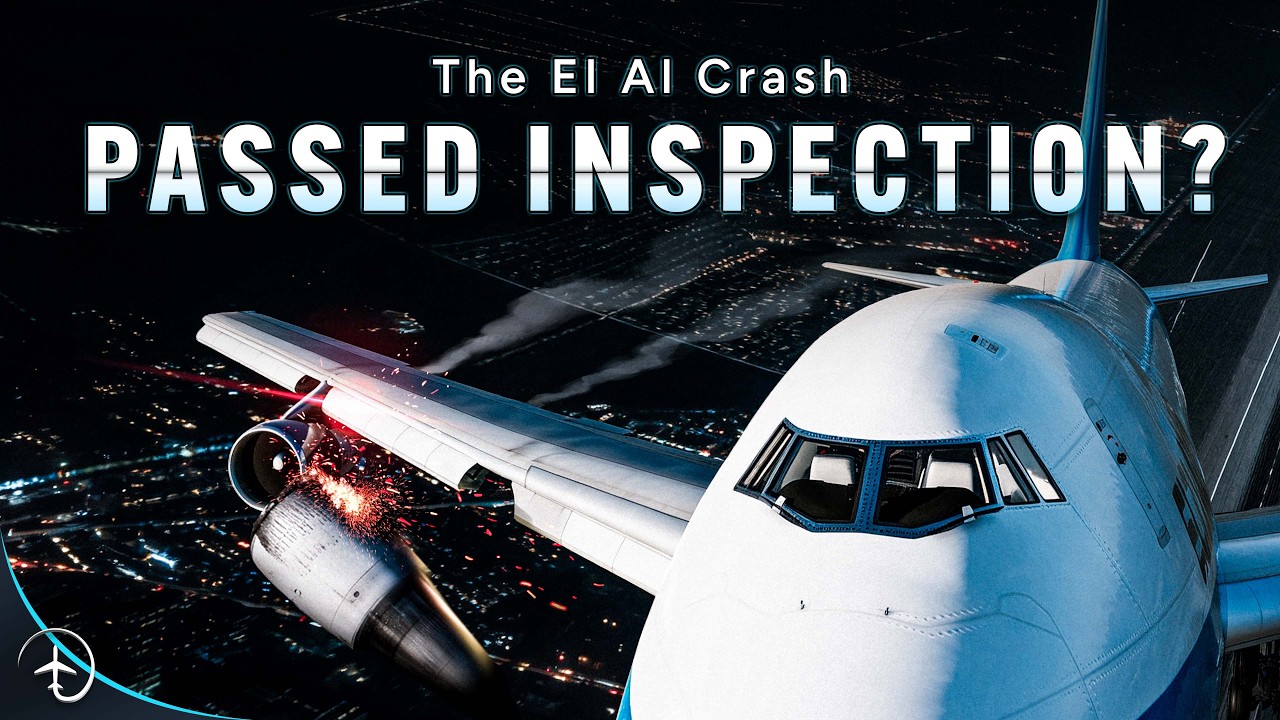 There’s NOTHING The Pilots Could Have Done… | The Final Minutes Of El Al Flight 1862
Things we can learn from the video
Press to jump
- 6:13Fuse pins are designed to let an overloaded engine separate without tearing open the wing.
- 15:18Corrosion and fatigue cracks develop inside the pins, escaping periodic checks.
- 20:17Complex bore geometry and crack orientation make ultrasonic detection difficult.
- 30:20The inner right engine tears loose, strikes the outer engine and damages the wing and hydraulics.
- 37:57The title's explanation: flap extension and falling airspeed leave the damaged aircraft unable to maintain controlled flight.
- 42:13The aftermath brings replacement fuse pins, revised ultrasonic testing standards and a complete pylon redesign.
The engines took more than power with them. In Mentour Pilot's reconstruction of El Al Flight 1862, their separation also destroys crucial parts of the right wing, turning an engine emergency into an aircraft the pilots cannot keep under control.
Petter Hörnfeldt's documentary examines the cargo flight that crashed into apartment buildings in Amsterdam's Bijlmermeer neighbourhood in 1992. Its central question is the one behind the title: why was this beyond the crew's ability to recover?
The explanation begins with an intentionally weak component. Engine attachments contain fuse pins designed to break under excessive loads, allowing an engine to separate without tearing the wing apart. Hörnfeldt then explains how corrosion and fatigue cracks developed inside the pins, where their shape and the direction of the cracks made ultrasonic inspection difficult. Inspectors expected cracks to develop in a detectable way. That assumption, he says, was wrong.
When an attachment fails, the inner right engine tears loose and strikes the outer engine. Both separate, damaging the wing's leading-edge devices and hydraulics. The pilots issue mayday calls without knowing that the engines have physically departed.
The title's answer arrives late in the episode: extending the flaps creates unequal lift, and slowing for the return to Schiphol leads to an uncontrollable right roll. Hörnfeldt explains why the damaged aircraft could no longer manage the slower flight needed to land.
The episode includes a sponsored segment. Its final section returns to the engineering consequences: replacement fuse pins, revised inspection standards and a redesigned pylon.
Published on Trari
Where next?


 Is this your channel?For the channel's owners and team: a ready picture and text for your audience
Share the story with your audience. Everything is ready:
For an Instagram story or a WhatsApp status
For a community post or your channel's description
- Channel
- Mentour Pilot
- Subscribers
- 2,530,000 ▲ 10,000 this week
- Channel views, last 7 days
- 7,583,568
- Channel views, pace per day
- 562,433 (on a normal day: 856,568)
- Video published
- October 31, 2026
- Video views so far
- 829,440 (6 days online)
- Video views, pace per day
- 44,741 (on a normal day: 199,422)
The numbers
The documentary has drawn about 830,000 views in six days. Its subject and technical explanation, rather than an unusual viewing surge, are the story here.
