
 United States
 United Kingdom
 Canada
 Australia
 New Zealand
 Ireland
Like Stories of Old finds Band of Brothers' realism beyond battle
The essay argues that shifting viewpoints and the veterans' own voices matter as much as practical explosions and handheld cameras.
 Like Stories of Old
Story of
Why this story? 831,006 views so far, and here is what is inside it.
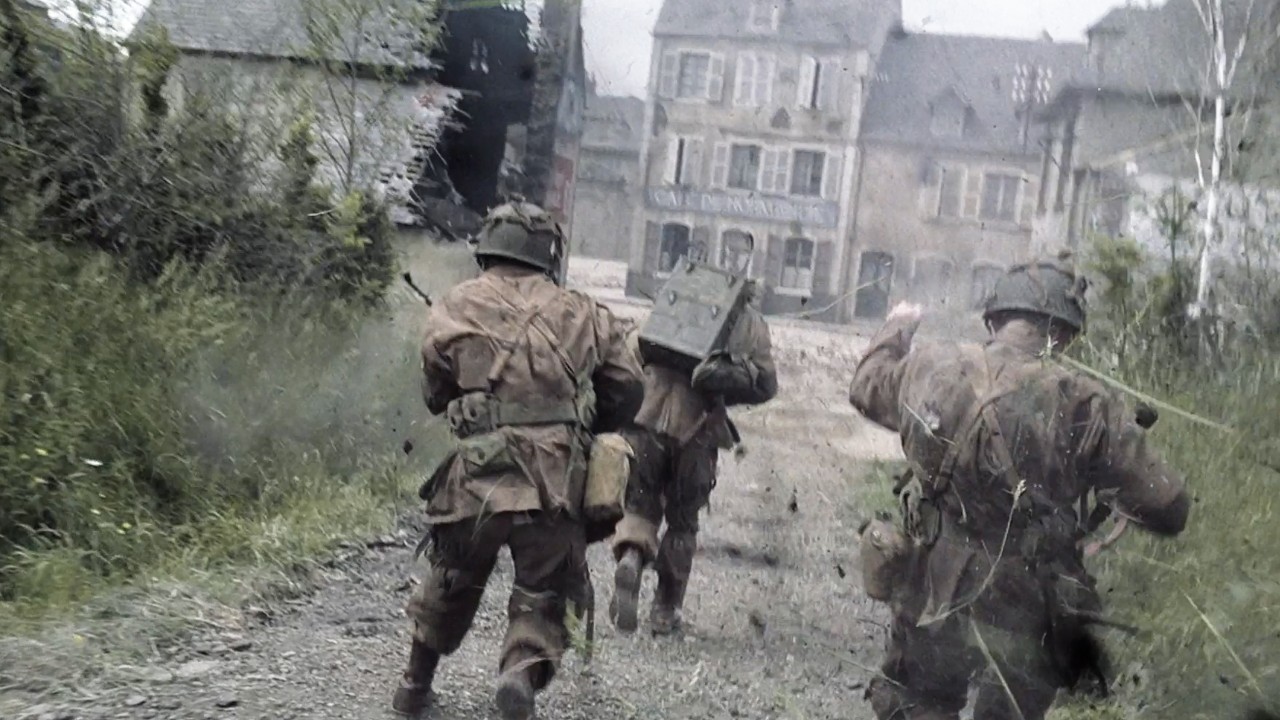 Why They Can't Make World War 2 Feel This "Real" Anymore
Things we can learn from the video
Press to jump
- 0:43Handheld cameras, muted colors, practical explosions and extensive sets establish the series' physical realism.
- 3:40The narrator argues that episodic storytelling gives Band of Brothers room for perspectives a feature film cannot sustain.
- 7:12Sobel's punishing training is reconsidered as a foundation for Easy Company's later resilience.
- 16:07Archival veteran interviews connect the dramatization directly to lived experience, a central answer to the title's question.
- 22:50The essay reads the series' emotional legacy through interrupted lives and veterans' reluctance to call themselves heroes.
- 26:09The creator explains that visiting D-Day sites in Normandy prompted the rewatch.
Realism isn't just explosions. For Like Stories of Old, what makes Band of Brothers feel grounded is also the time it spends with a medic, a punishing training officer and soldiers who might otherwise disappear into the background.
The channel's essay, "Why They Can't Make World War 2 Feel This "Real" Anymore", revisits the HBO miniseries a quarter-century after its release. Its answer to that sweeping title is more specific than a complaint about modern filmmaking: physical production matters, but so do the structure of television and a direct connection to the men being portrayed.
The opening examines handheld camerawork, muted colors, practical explosions and extensive sets. Then the argument turns to something a feature film has less room for: changing perspectives. The Bastogne episode follows combat medic Eugene Roe, making the campaign feel different from the ground he occupies.
Even Captain Sobel, played by David Schwimmer, gets a reconsideration. The narrator argues that his harsh boot-camp discipline establishes the resilience Easy Company will later need. Battlefield stories about Ronald Speirs become another kind of reality, showing how soldiers understand their world through reputations and legends.
The essay's central distinction arrives with the archival veteran interviews. Their presence anchors the drama to people who lived it, a connection the narrator argues later productions cannot reproduce in quite the same way as that generation passes.
Toward the end, the focus shifts from convincing combat to the meaning of heroism. Ordinary postwar futures sit beside wartime trauma, while the veterans direct admiration toward their comrades rather than themselves. The creator finally explains the personal starting point for the rewatch: a visit to the D-Day sites in Normandy.
Published on Trari
Where next?


 Is this your channel?For the channel's owners and team: a ready picture and text for your audience
Share the story with your audience. Everything is ready:
For an Instagram story or a WhatsApp status
For a community post or your channel's description
- Channel
- Like Stories of Old
- Subscribers
- 1,050,000
- Channel views, last 7 days
- 971,183
- Channel views, pace per day
- 170,386 (on a normal day: 78,920)
- Video published
- October 31, 2026
- Video views so far
- 831,006 (5 days online)
- Video views, pace per day
- 70,582 (on a normal day: 290,418)
The numbers
The Band of Brothers essay has drawn more than 830,000 views in five days. Its subject, rather than an unusual viewing surge, is the story here.

💡 Test your knowledge
Who plays Richard Winters in Band of Brothers?
Damian Lewis portrays Richard Winters in the HBO miniseries.