
 United States
 United Kingdom
 Canada
 Australia
 New Zealand
 Ireland
Forrest Galante points to an orca in great white mystery
A shark's tracking tag supplies the puzzle, while Wild Times Podcast ends its fast-starting episode with a move to weekly public shows.
 Wild Times Podcast
Story of
Why this story? The video opened at a pace of 43,035 views a day, 12 times a normal first day on this channel (3,489).
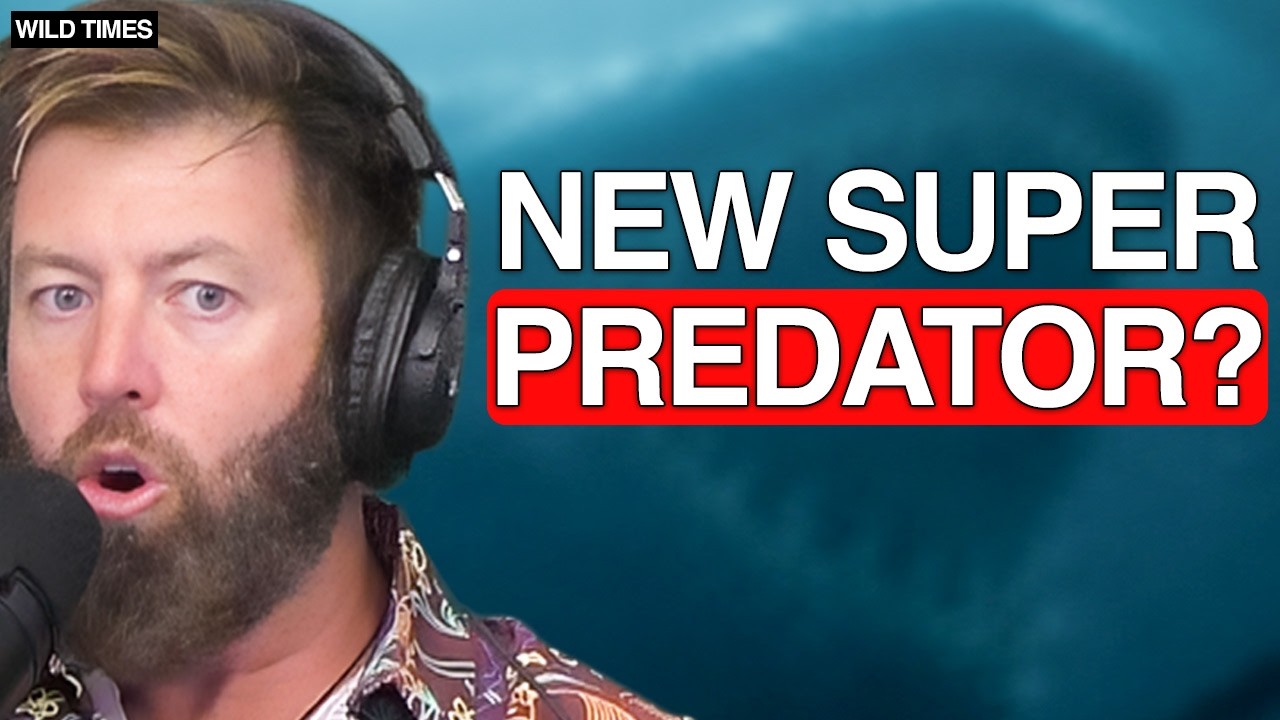 Something Is Hunting Great White Sharks and Scientists Can’t Explain It
Things we can learn from the video
Press to jump
- 7:46Galante recounts visiting Bahía de los Ángeles and traveling through the Valle de los Cirios.
- 12:47Underwater footage accompanies his account of swimming with whale sharks in Baja California.
- 18:37The hosts examine a great white's tracking tag, which recorded a deep plunge and a temperature spike.
- 20:00Galante proposes an orca ate the shark, explaining the warmer readings through the predator's body heat.
- 27:17Galante explains how AI can help conservation by recognizing patterns in tracking information.
- 57:37Galante and Patrick announce weekly public episodes on Mondays, doubling the show's public output.
What could send a great white shark's tracking tag plunging into deep water, then suddenly register a much higher temperature? On Wild Times Podcast, Forrest Galante's explanation is an orca: he suggests the shark was eaten, with the predator's body heat accounting for the change.
The episode, titled "Something Is Hunting Great White Sharks and Scientists Can't Explain It", revisits a female shark tagged off southwestern Australia in 2003. Despite the title's present-tense urgency, this is a discussion of an older mystery, not a report of a newly observed attack. Galante offers an explanation rather than unveiling a confirmed culprit.
That puzzle has brought the upload about 28,000 views in its first 11 hours, already far beyond the channel's usual full-day audience. Animal mysteries are familiar territory here: the channel has also explored Colombia's legendary sea monster and possible evidence of megalodon.
Viewers looking for the shark discussion should head to around eighteen minutes. Before that, Galante recounts his Baja California trip, including swimming with whale sharks and traveling through a landscape of towering cirio plants. The episode also contains a sponsored segment.
Later, the conversation turns from the limits of tracking tags to what AI can contribute to conservation. Galante identifies pattern recognition in tracking information as its useful contribution.
The closing announcement has its own audience in the comments: several viewers single out the change to weekly episodes. Galante and Patrick confirm that public shows will arrive every Monday, doubling their public podcast output.
Published on Trari
Where next?



What viewers say
Finally one a week! I've been hoping this would happen one day.
@SmokeAllegedlySee it on YouTube2:31
Did they just pull up a map for the people that are *LISTENING* ?@BuckshotBluesSee it on YouTubeI'm a fly fishing guide from steamboat Colorado and a bunch of us would drive to b as Baja every year to camp on a beach and chase rooster fish off the beach. With fly rods. Love it 🤙
@michaelbates2773See it on YouTube
Public comments from the video's page on YouTube
 Is this your channel?For the channel's owners and team: a ready picture and text for your audience
Share the story with your audience. Everything is ready:
For an Instagram story or a WhatsApp status
For a community post or your channel's description
- Channel
- Wild Times Podcast
- Subscribers
- 517,000
- Channel views, last 7 days
- 147,166
- Channel views, pace per day
- 10,965 (on a normal day: 31,418)
- Video published
- November 2, 2026
- Video views so far
- 28,335 (less than a day online)
- Video views, pace per day
- 43,035
The numbers
The episode has already passed the channel's usual first-day views, with much of its opening day still to go.

💡 Test your knowledge
In which country is Baja California, the setting of Galante's road trip?
Baja California is the Mexican peninsula south of the US state of California.