
 United States
 Canada
 Australia
 New Zealand
 Ireland
Gulf infrastructure at risk if Iran war escalates, Gardner warns
The security correspondent identifies data centres and undersea cables as possible retaliation targets, while Qatari mediation seeks a route back to talks.
 United KingdomStory of
Why this story? One of BBC News's most watched videos since yesterday, with 145,468 views.
BBC News: The news channel of the BBC, Britain's public broadcaster, and one of the best-known news organisations in the world. 20M subscribers and 7.5B views.
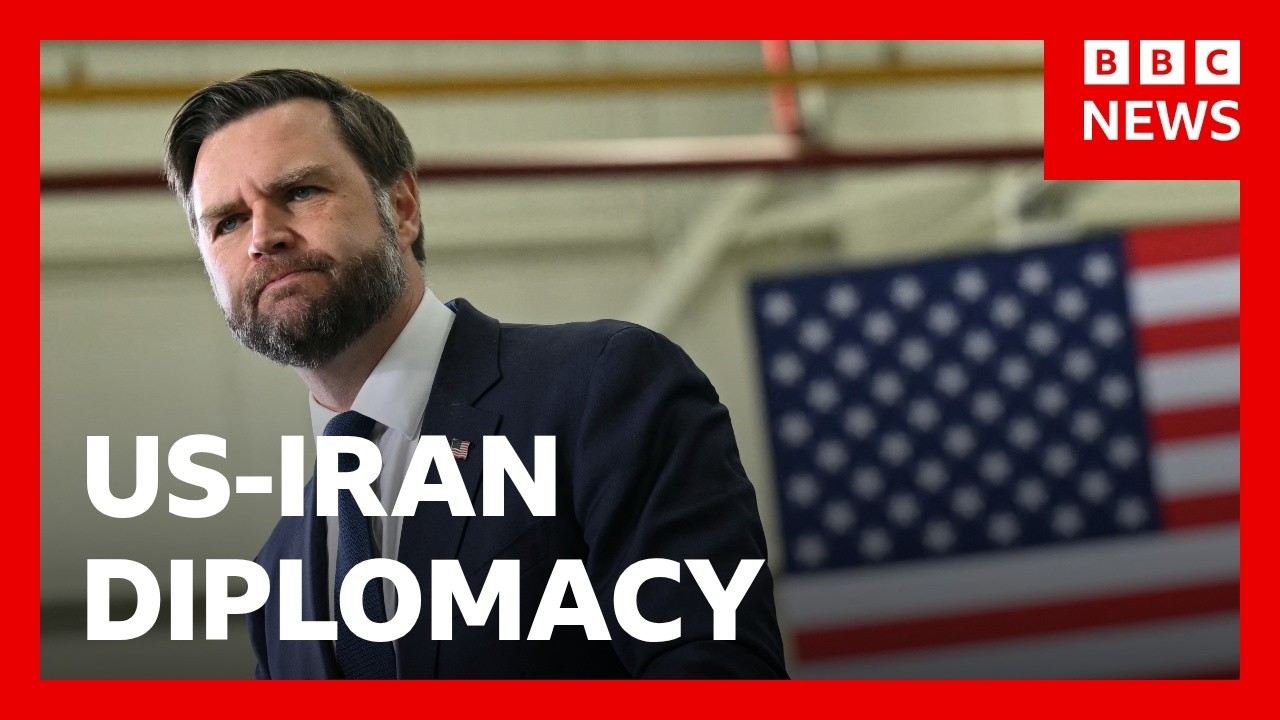 New clues on US-Iran diplomacy | BBC News
Things we can learn from the video
Press to jump
- 1:10Vance's letter reaches Iran's security chief through Qatari channels as mediators seek renewed negotiations.
- 2:45Naji identifies nuclear discussions as an obstacle, saying Iranian officials have so far refused them.
- 5:05Senator Chris Murphy argues that proposed US military escalation would have devastating consequences.
- 7:11Gardner warns Iranian retaliation could target Gulf infrastructure, data centres and undersea cables.
- 10:50Taylor reports tanker fires and interceptions around the Strait of Hormuz.
- 11:55An on-screen update says oil briefly rose above $117 a barrel.
Oil facilities are not the only infrastructure exposed to a wider US-Iran war. Data centres and undersea cables could also become targets of Iranian retaliation, security correspondent Frank Gardner warns in a report from the United Kingdom's British Broadcasting Corporation (BBC).
Gardner's analysis distinguishes the intended effect of military action from its possible consequences. He says those advocating strikes on Iran's infrastructure believe they could deliver a decisive blow to the Islamic Republic's leadership. His warning is that escalation could instead expose infrastructure across the Gulf to retaliation.
The report, titled "New clues on US-Iran diplomacy | BBC News", places that risk alongside an effort to restart negotiations. Presenter Lauren Taylor describes a letter from US Vice President JD Vance to Iran's security chief, delivered through Qatari channels. The diplomatic opening concerns a framework for negotiations, rather than an agreed peace settlement.
Kasra Naji, special correspondent for the broadcaster's Persian service, identifies Iran's nuclear programme as a central obstacle. He says Iranian officials have so far refused to discuss it.
The programme also examines reports that the White House is reviewing fresh military options after the US midterm elections. Connecticut Democratic Senator Chris Murphy condemns the proposed escalation: "Their plan is insane. It will lead to devastating escalation."
Taylor then turns to shipping, reporting incidents involving tankers catching fire or being intercepted around the Strait of Hormuz. The broadcast shows a maritime attack warning and reports that oil briefly rose above $117 a barrel, connecting the diplomatic and military uncertainty with disruption to a crucial shipping corridor.
The US vice president and a Republican. He previously represented Ohio in the US Senate from 2023 to 2025.
More on Wikipedia ›US elections scheduled for 3 November 2026, with all 435 House seats and 35 Senate seats up for election, alongside state and local offices.
More on Wikipedia ›A Democratic US senator from Connecticut who has served in the Senate since 2013. He previously served in the House of Representatives.
More on Wikipedia ›A waterway connecting the Persian Gulf with the Gulf of Oman, bordered by Iran to the north and Oman's Musandam Peninsula to the south.
More on Wikipedia ›Published on Trari
Where next?


- Channel
- BBC News
- Subscribers
- 20,200,000
- Channel views, last 7 days
- 36,728,452
- Channel views, pace per day
- 2,470,080 (on a normal day: 5,218,396)
- Video published
- October 30, 2026
- Video views so far
- 194,623 (2 days online)
- Video views, pace per day
- 145,558
The numbers
The report drew about 145,000 views since yesterday, placing it among the United Kingdom's most-watched news videos over that period.
