
 United States
 United Kingdom
 Canada
 Australia
 New Zealand
 Ireland
Tom Scott explains why balancing Britain's power grid is getting harder
Inside Berkshire's electricity control centre, the challenge is shifting from predicting what people need to predicting what generators can supply.
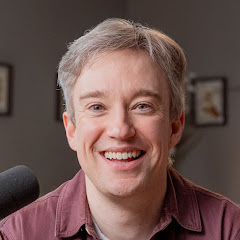 Tom Scott
Story of
No. 73 on the daily chartNo. 2 on the Science chart
Why this story? One of the most watched videos since yesterday, with 667,462 views.
 It's getting harder to balance the power grid. Here's why.
Things we can learn from the video
Press to jump
- 0:48Craig Dyke explains the control-room display mapping Britain's high-voltage electricity transmission network.
- 2:40Grid frequency indicates whether electricity generation and demand are in balance.
- 5:18Offshore wind creates new requirements for moving electricity from generation sites to the places that need it.
- 6:24International interconnectors carry electricity between Britain and continental Europe, adding another flow for operators to manage.
- 9:01Dr. Debs Paterson explains security threats and preparations for severe cold combined with infrastructure loss.
- 13:20Automatic battery services respond within a second when a major generator or interconnector suddenly goes offline.
"The modern challenge isn't predicting demand, it's predicting supply," Tom Scott says from Britain's Electricity National Control Centre.
Around him, a vast display maps the high-voltage network that keeps homes, factories and everything between them supplied with electricity. His visit has drawn about 670,000 views since yesterday, offering a look at a job that has changed considerably as the sources of that electricity change.
Craig Dyke, Director of System Operations at the National Energy System Operator, explains the essential balancing act: generation must continually match demand. Grid frequency, normally 50 Hz, is the signal that tells operators how that balance is holding up.
Wind brings another set of calculations. Its output varies with the weather, and offshore generation creates the practical problem of getting electricity from where it is produced to where it is needed. Dyke walks Scott through international interconnectors, power moving to and from continental Europe, and the controls used to reroute flows without overloading transmission lines. As he puts it: "So it's the logistics of electricity in a nutshell."
The visit also reaches the less visible preparations. Dr. Debs Paterson, NESO's Director of Resilience, explains planning for severe cold alongside a major infrastructure loss, as well as physical security, cyber threats and international coordination.
For viewers, the enormous control-room screen has become an attraction of its own. Comments pick out its arrangement of ordinary computer windows, its lightbulb wallpaper and its resemblance to an imagined headquarters for traffic lights.
But some of the most important work happens faster than anyone could click a mouse. Near the end, Dyke explains how automatic battery services respond in less than a second when a major power station or interconnector suddenly drops offline, helping bring the frequency back into balance.
Published on Trari
Where next?


 Is this your channel?For the channel's owners and team: a ready picture and text for your audience
Share the story with your audience. Everything is ready:
For an Instagram story or a WhatsApp status
For a community post or your channel's description
- Channel
- Tom Scott
- Subscribers
- 6,750,000
- Channel views, last 7 days
- 3,473,513
- Channel views, pace per day
- 646,637 (on a normal day: 392,780)
- Video published
- November 2, 2026
- Video views so far
- 667,462 (less than a day online)
- Video views, pace per day
- 971,323
The numbers
The control-centre visit has reached a substantial audience before its first full day is over. Here are the video's views and the channel's wider totals.

💡 Test your knowledge
Which English county does Tom Scott visit for this control-centre tour?
The Electricity National Control Centre visited in the video is in Berkshire.