
 United States
 United Kingdom
 Canada
 Australia
 New Zealand
 Ireland
Isaac Arthur separates nuclear catastrophe from civilization's end
Three new uploads connect fallout, societal survival and the vulnerabilities of future space colonies.
 Isaac Arthur
Story of
Why this story? The channel's weekly summary: what went up this week, what is drawing views now, and where the channel stands among similar channels.
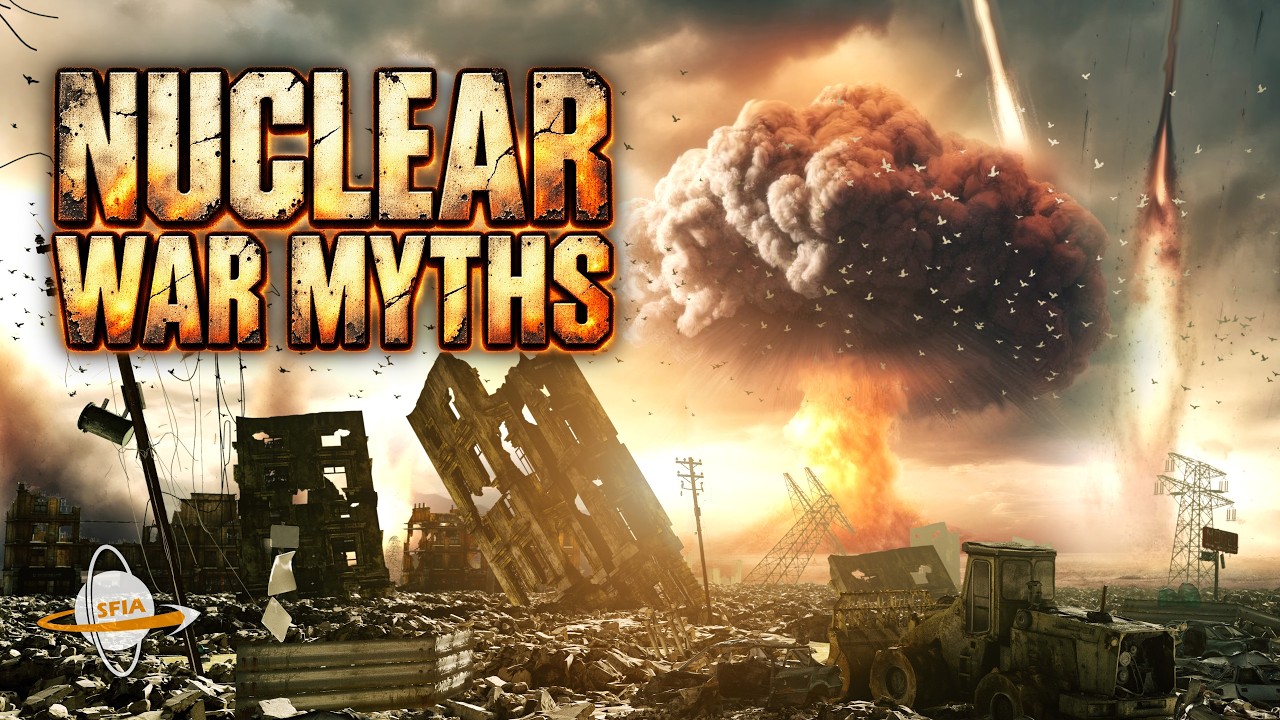 Nuclear War Myths: Would Civilization Really End?
Things we can learn from the video
Press to jump
- 4:06Nuclear detonations combine blast, heat, electromagnetic effects and secondary destruction rather than a single danger.
- 10:48Airbursts produce far less local fallout contamination than ground bursts.
- 14:00Short-lived radioactive isotopes help explain why initially intense fallout radiation declines rapidly.
- 23:31Arthur identifies societal breakdown as a major survival hurdle beyond the direct effects of explosions.
- 27:32Surviving knowledge and infrastructure underpin his argument against a permanent return to technological barbarism.
- 33:42The closing section weighs survival, nuclear-winter uncertainties and the importance of organized preparedness.
"This is not an episode about how nuclear war is fine," Isaac Arthur says early in the week's most-watched upload. The distinction matters: his subject is the gap between an immense catastrophe and the familiar fictional assumption that nothing useful could survive it.
"Nuclear War Myths: Would Civilization Really End?" has reached about 123,000 views. Arthur separates blast damage, heat and radiation, explains why airbursts and ground bursts produce different fallout hazards, and then turns to the systems survivors would need. Food supplies, practical skills and local organization become central to his account, rather than the lone scavenger familiar from apocalyptic fiction. The episode includes a sponsored chair segment.
That question of what keeps a settlement functioning carries into "How Do You Defend a Space Colony? | Beyond Space Defense". Its premise is particularly suited to Arthur's science-and-futurism territory: ships, tugs and power beams could become weapons, while a settlement's life-support infrastructure makes the city itself part of everyone's spacesuit. The shorter "Why Nuclear Fallout Fades So Fast" completes the week's three uploads.
The nuclear-war essay is also drawing the most daily views, followed by the space-defense episode. Just behind those new releases, "The Fermi Paradox: Civilization Extinction Cycles" continues exploring whether alien societies might repeatedly collapse before spreading across the galaxy.
Arthur added roughly 349,000 views over the week, a similar weekly audience to Tibees, while his subscriber count held steady. Daily viewing is currently above his usual level. Across these episodes, the connecting question is less whether civilizations can suffer disaster than what allows them to retain knowledge and rebuild.
Published on Trari
Where next?



 Is this your channel?For the channel's owners and team: a ready picture and text for your audience
Share the story with your audience. Everything is ready:
For an Instagram story or a WhatsApp status
For a community post or your channel's description
The videos drawing views on Isaac Arthur right now


- Channel
- Isaac Arthur
- Subscribers
- 1,170,000
- Channel views, last 7 days
- 348,568
- Videos published this week
- 3
- Video published
- October 29, 2026
- Video views so far
- 123,263
- Views on its first day
- 46,078
The numbers
Here is how Isaac Arthur's week looks in views and subscribers.
