
 United States
 United Kingdom
 Canada
 Australia
 New Zealand
 Ireland
Sarah Longwell tells Ezra Klein what "America First" voters wanted
Her focus-group account connects disappointment over prices with a broader sense that Trump's administration has misplaced its priorities.
 The Ezra Klein Show
Story of
Why this story? 1,122,004 views so far, and here is what is inside it.
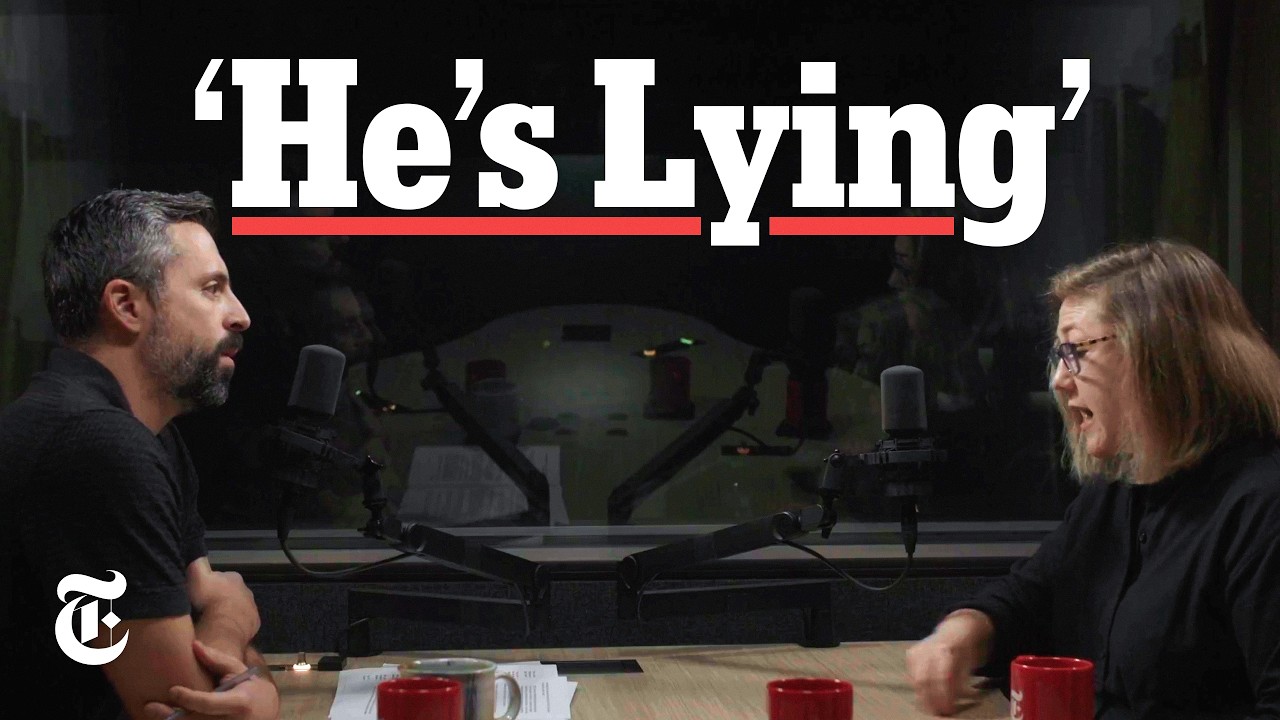 What Hundreds of Focus Groups With Trump Voters Revealed | The Ezra Klein Show
Things we can learn from the video
Press to jump
- 3:04Longwell argues that voters judge Trump through prices and personal consequences, rather than policy details.
- 5:01For voters Longwell describes, "America First" means prioritizing domestic needs over involvement abroad.
- 9:48Klein and Longwell distinguish close political-news followers from voters who encounter information passively.
- 16:11Longwell argues that high prices make voters less willing to overlook perceived corruption.
- 43:00Focus-group recordings reveal discomfort with aggressive immigration enforcement and masked federal officers.
- 56:04Klein and Longwell examine local opposition to AI data centers as an electoral flashpoint.
A woman who voted for Donald Trump in 2024 describes grocery bills that still surprise her. For Sarah Longwell, that frustration helps explain a political shift: voters who expected a businessman to make life cheaper are judging him by what they pay, not by the details of his policies.
On The Ezra Klein Show, Longwell draws on hundreds of focus groups to explain why some Trump voters are souring on his second term. Her central argument is that many understood "America First" as a promise to prioritize their everyday needs at home. Tariffs and foreign involvement look different through that lens: the question is whether either makes their lives better.
Longwell, The Bulwark's publisher, is also a former Republican who founded Republican Voters Against Trump. These are her interpretations of the conversations, illustrated by recordings of voters explaining their disappointments in their own words.
Klein identifies another dividing line: "But the primary divide in politics I always think is between interested, uninterested." He and Longwell distinguish people who follow political news closely from those who encounter it passively. That helps explain why a politician's familiar business image can carry more weight than a detailed policy argument.
Longwell also argues that economic stress changes how voters hear accusations of corruption. When household budgets feel squeezed, perceived self-dealing becomes harder to overlook. She points to Georgia Senator Jon Ossoff's methodical storytelling as a way to make complicated allegations understandable.
The conversation has passed a million views, but its useful distinction is between disillusionment and a Democratic vote. Later sections examine discomfort with aggressive immigration enforcement and local opposition to AI data centers, extending the discussion beyond grocery bills to what voters see happening in their communities.
An American political consultant and publisher of The Bulwark. A former Republican, she founded Republican Voters Against Trump, which worked to defeat Trump in the 2020 and 2024 elections.
More on Wikipedia ›A Democratic U.S. senator from Georgia who has served since 2021.
More on Wikipedia ›Published on Trari
Where next?



 Is this your channel?For the channel's owners and team: a ready picture and text for your audience
Share the story with your audience. Everything is ready:
For an Instagram story or a WhatsApp status
For a community post or your channel's description
- Channel
- The Ezra Klein Show
- Subscribers
- 592,000 ▲ 8,000 this week
- Channel views, last 7 days
- 4,454,389
- Channel views, pace per day
- 1,028,573 (on a normal day: 400,564)
- Video published
- October 23, 2026
- Video views so far
- 1,122,004 (6 days online)
- Video views, pace per day
- 70,245 (on a normal day: 225,795)
The numbers
The interview has passed a million views since publication. Its view count provides context, rather than an unusual surge being the story.

💡 Test your knowledge
Which publication is Sarah Longwell the publisher of?
Longwell is a founder and the publisher of The Bulwark.