
 United States
 United Kingdom
 Canada
 Australia
 New Zealand
 Ireland
Binance customers face follow-up phishing risk, expert tells DW
Jake Moore explains the reported laptop compromise behind the theft and warns that customers seeking reassurance could become targets themselves.
 DW News
Story of
Why this story? One of DW News's most watched videos since yesterday, with 235,089 views.
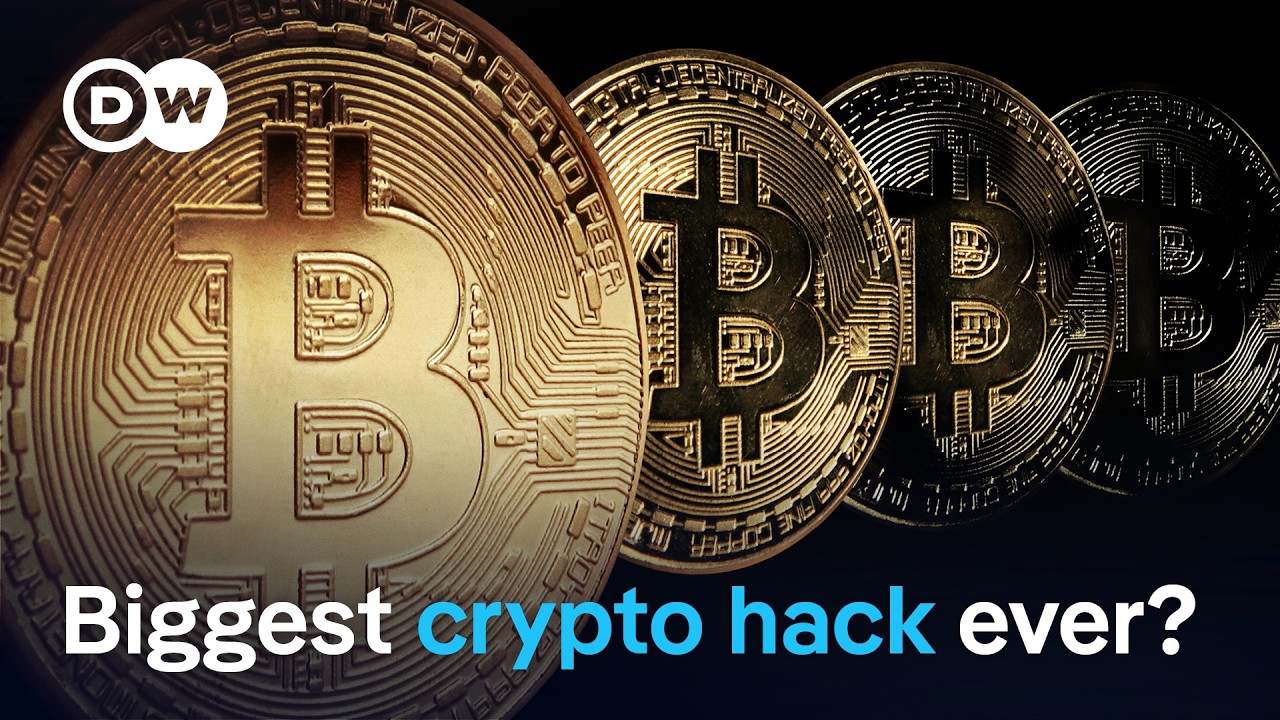 How crypto hackers drained Binance of $6.3 billion in 20 minutes | DW News
Things we can learn from the video
Press to jump
- 1:09Moore describes malware on an engineer's laptop as the starting point and explains the role of social engineering.
- 3:42Asked about suspected North Korean involvement, Moore explains state-backed groups' financial interest in cryptocurrency theft.
- 5:04Moore says the reported transfers took approximately twenty minutes before automated systems could stop them.
- 6:44Binance promises to cover losses, while Moore warns that customers could face follow-up phishing attacks.
- 7:25Moore recommends cold-storage hardware wallets and spreading assets across exchanges.
- 9:44The discussion examines AI-assisted exploitation of software vulnerabilities and the case for tighter regulation.
The danger does not end when the unauthorized transfers stop. Cybersecurity adviser Jake Moore tells DW News that phishing attacks targeting Binance customers could follow the exchange's reported multibillion-dollar theft.
Speaking with presenter Anja Kueppers-McKinnon, Moore describes an attack that began with malware on an engineer's laptop. He explains how social engineering, including approaches through professional networking platforms such as LinkedIn, can give attackers a route into a business.
According to DW's report, Binance says the cyberattack affected an estimated $6.3 billion in digital assets. Moore says the transfers reportedly took place within about twenty minutes, before automated systems could halt them. The interview adds a customer-security perspective to the immediate reporting on the theft: an exchange's promise to cover losses does not remove the risk of another attack aimed directly at its users.
DW displays Binance's assurance that user funds are safe and all losses will be covered. Moore nevertheless warns about phishing, recommends cold-storage hardware wallets and suggests spreading assets across multiple exchanges rather than concentrating them in one place.
The presenter also asks about suspected North Korean involvement. DW cites an analysis attributing the incident to North Korean hackers, while Moore explains why state-backed groups pursue cryptocurrency theft to fund operations. That attribution remains a reported assessment, not an established finding in the interview.
Moore closes the wider security discussion by calling for tougher regulation and stronger protection at both the individual and business level, as AI makes finding and exploiting software vulnerabilities another concern.
An international cryptocurrency exchange founded in 2017. It is the largest exchange by daily cryptocurrency trading volume and has no official headquarters.
More on Wikipedia ›Published on Trari
Where next?


 Is this your channel?For the channel's owners and team: a ready picture and text for your audience
Share the story with your audience. Everything is ready:
For an Instagram story or a WhatsApp status
For a community post or your channel's description
- Channel
- DW News
- Subscribers
- 6,490,000 ▲ 10,000 this week
- Channel views, last 7 days
- 17,115,481
- Channel views, pace per day
- 1,968,035 (on a normal day: 2,626,314)
- Video published
- October 30, 2026
- Video views so far
- 235,089 (less than a day online)
- Video views, pace per day
- 297,857
The numbers
DW's report drew about 235,000 views since yesterday, making it the channel's most watched new upload over that period.
