
 United States
 United Kingdom
 Canada
 Australia
 New Zealand
 Ireland
Why Ethiopia chose EVs before its chargers were ready
Bloomberg Originals follows a switch driven by fuel-import costs, cheap hydropower and a tax incentive to assemble electric vehicles locally.
 Bloomberg Originals
Story of
Why this story? 964,291 views so far, and here is what is inside it.
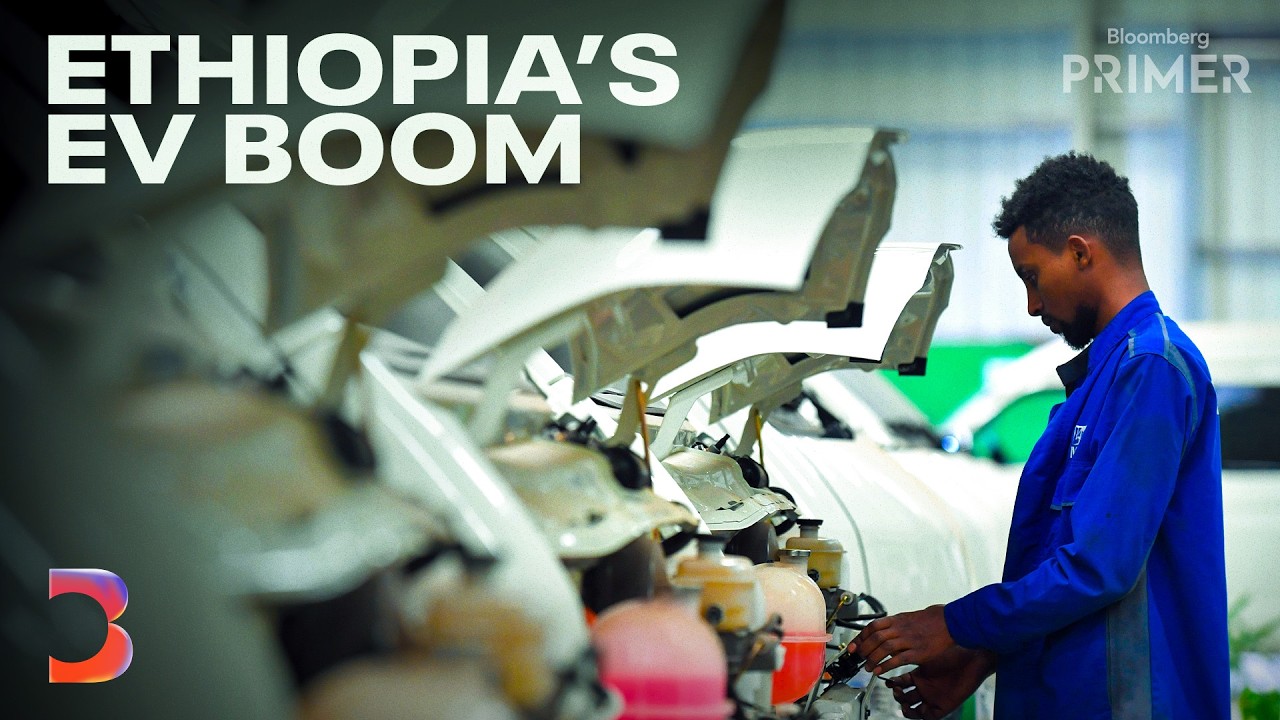 The World's Most Aggressive EV Push Isn't in China | Bloomberg Primer
Things we can learn from the video
Press to jump
- 2:06Fuel-import costs and debt pressure explain why Ethiopia banned imports of gasoline-powered passenger cars.
- 2:52Taxi driver Natanael Tadesse describes lower energy and maintenance costs after switching to an EV.
- 4:54Cheap hydropower makes electricity an alternative to imported fuel.
- 7:07Limited public chargers and blackouts leave drivers relying mainly on home charging.
- 8:44Tariff exemptions encourage local assembly; the following factory visit shows electric minibuses built from Chinese components.
- 12:17High purchase prices remain a barrier in a country where personal vehicle ownership is limited.
Fuel was draining the budget. Ethiopia's move toward electric cars began less as a climate pledge than as an answer to an import bill it could no longer afford, Bloomberg Originals explains in its latest Primer documentary.
The country banned imports of new gasoline-powered cars in 2024. Bloomberg puts annual fuel-import spending at up to $5 billion, against a backdrop of debt default. Electricity generated at home offered an alternative to buying fuel abroad, even though the infrastructure to support electric driving was far from ready.
For Addis Ababa taxi driver Natanael Tadesse, that national calculation becomes a monthly household saving. He describes spending substantially less on electricity and maintenance after switching to an EV. Reporter Akshat Rathi connects those savings to Ethiopia's cheap, largely hydroelectric power supply, including the Grand Ethiopian Renaissance Dam.
But cheap electricity and convenient charging are not the same thing. The report finds limited public chargers, drivers relying mainly on home charging and blackouts interrupting the supply. Buying the car in the first place also remains beyond the means of many households.
The documentary's factory visit shows another part of the policy: Ethiopia wants assembly work, not just imported vehicles. Fully built cars attract an import tariff, while completely knocked-down kits can enter tariff-free. At BKG Manufacturing, workers assemble electric minibuses from Chinese components while learning the production process.
That gives Bloomberg's story a wider subject than private car ownership. The minibuses bring public transport into the picture, while the assembly line shows how a decision about fuel imports can also become a decision about where manufacturing jobs go.
Published on Trari
Where next?


 Is this your channel?For the channel's owners and team: a ready picture and text for your audience
Share the story with your audience. Everything is ready:
For an Instagram story or a WhatsApp status
For a community post or your channel's description
- Channel
- Bloomberg Originals
- Subscribers
- 5,190,000 ▲ 10,000 this week
- Channel views, last 7 days
- 6,024,324
- Channel views, pace per day
- 1,156,407 (on a normal day: 681,580)
- Video published
- November 2, 2026
- Video views so far
- 964,291 (2 days online)
- Video views, pace per day
- 611,691 (on a normal day: 472,972)
The numbers
The documentary has drawn close to a million views since publication. Its first-day comment section was more than seven times busier than usual for Bloomberg Originals' regular videos.

💡 Test your knowledge
Which Ethiopian city is home to taxi driver Natanael Tadesse in the report?
The documentary follows Natanael Tadesse's electric taxi experience in Addis Ababa.