
 United States
 United Kingdom
 Canada
 Australia
 New Zealand
 Ireland
Be Smart takes another look at the sleeping bird's grip
Starlings held their perches loosely in the experiments Joe Hanson explores in his only new Short this week.
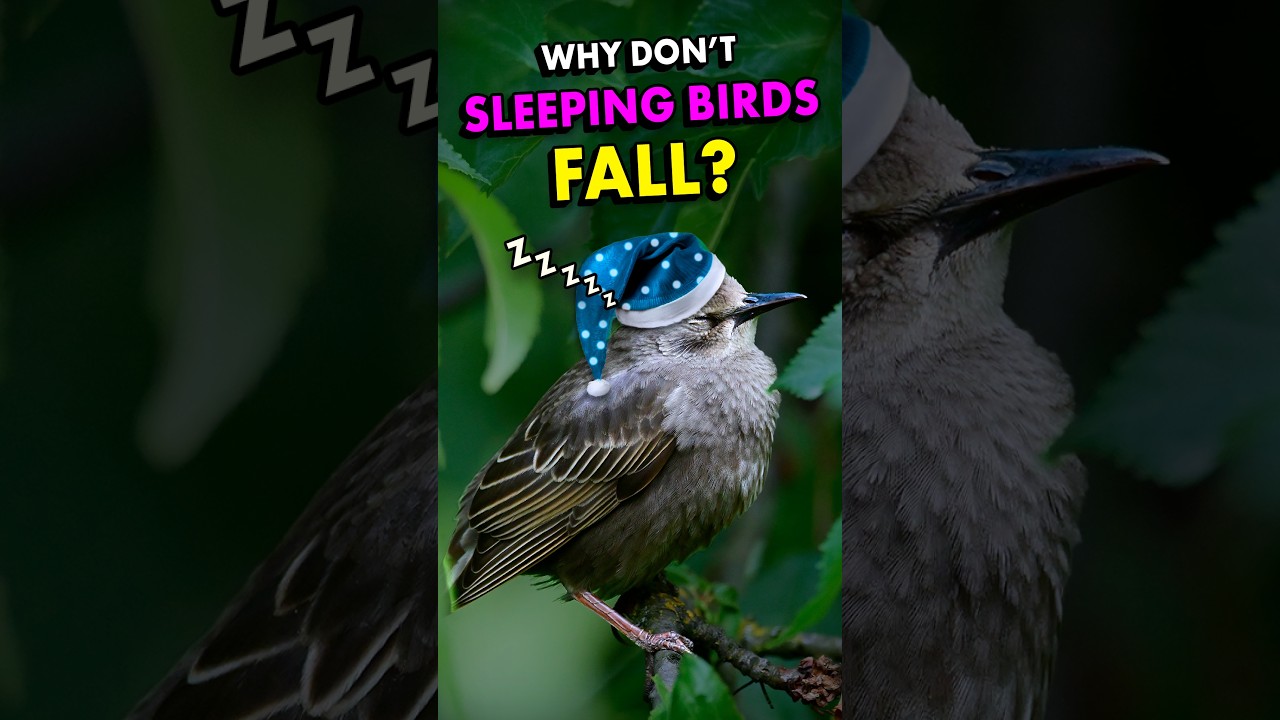 Why don't sleeping birds fall out of trees?
Up nextTrari.com home page ›


 Be Smart
Story of
Why this story? The channel's weekly summary: what went up this week, what is drawing views now, and where the channel stands among similar channels.
Does a starling need to squeeze its toes all night? In Be Smart's "Why don't sleeping birds fall out of trees?", Joe Hanson explains that sleeping starlings barely grip the branch. They balance with their weight centered over their feet and keep some muscle tension even as they doze.
The old explanation had a pleasing simplicity: a bird settles onto a branch and its leg tendons automatically lock its claws shut. But Hanson points out that much of the research behind that explanation used dead birds stiff with rigor mortis. When researchers anesthetized live starlings, the birds fell off their perches. The Short has drawn about 166,000 views, and it's the detail Hanson saves for the end that sent the comments beyond the treetops: some birds can rest one half of the brain at a time. Viewers brought up frigatebirds and marine mammals.
Subscribers held steady, and daily views are running below their usual pace. Among nearby science channels, Miwu Science had a busy week for both views and subscriber growth, while minutephysics also held steady on subscribers.
The starling Short is drawing more daily views than "The Most Misunderstood Idea in Flight," where Hanson takes an upside-down ride with the Blue Angels and turns the experience into a wind-tunnel lesson. But the most momentum belongs to an older animal question, "Why are there no green mammals?" There, the green ringtail possum is the apparent exception: its tint comes from a mix of hairs, not a green fur pigment.
Published on Trari.com
Go back to Trari.com home page
Where next?
A professional in this field? Want to write about Science & learning on Trari? Tell us ›
What viewers say
I believed that claw locking during sleep thing for so long! Thanks for correcting me with new research :)
@miriamrosemary9110See it on YouTubeThis question caught my eye. It's the kind of everyday mystery that's easy to walk right past.
@oceandepths-36See it on YouTubeCan I have the power to be *_half-asleep_* too?
@VoiceletSee it on YouTube
3 more comments
I really thought you were gonna narrate this like a Dr. Seuss book 😭😅
@IsaacWale2004See it on YouTubewell owning budgies you occasionality get one that sleeps upside down without falling.
@geoffgunn9673See it on YouTubeWe are blessed to sleep without worrying to grip onto something
@AnoushkaSrivastavSee it on YouTube
Public comments from the video's page on YouTube
Want to know when somebody answers you?
 For the channel's owners and team
Share the story with your audience
A ready picture for an Instagram story or a WhatsApp status.
Ready text for a community post
The videos drawing views on Be Smart right now

- Channel
- Be Smart
- Subscribers
- 5,890,000
- Channel views, last 7 days
- 867,036
- Videos published this week
- 1
- Video published
- November 24, 2026
- Video views so far
- 166,206
- Views on its first day
- 92,017
The numbers
Here's how Be Smart's views and subscriber count moved this week.

💡 Test your knowledge
Which bird did researchers anesthetize in the experiment Hanson describes?
Hanson explains that the anesthetized starlings fell off their perches.