
Who pays for AI? Be Smart looks beyond the chatbot
Joe Hanson brings energy and sustainability researchers into an investigation of electricity, cooling water and life beside data centers.
 Be Smart
Story of
Why this story? The channel's weekly summary: what went up this week, what is drawing views now, and where the channel stands among similar channels.
 The Real Cost of AI Will Shock You
Things we can learn from the video
Press to jump
- 5:11Koomey's law describes historical gains in computing efficiency, a counterpoint to earlier fears about internet electricity use.
- 10:18The Jevons paradox explains why greater efficiency can encourage more use rather than reduce total resource consumption.
- 11:16Data center electricity demand affects regional grids, so national totals can obscure local pressures.
- 18:36Carbon accounting separates direct emissions, purchased electricity and emissions elsewhere in the supply chain.
- 23:03AI's water footprint includes both direct cooling and water used indirectly to generate electricity.
- 38:15Hanson and the experts call for transparent accounting and informed public decisions about data center costs and benefits.
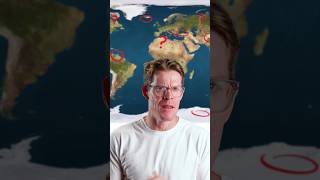
"The Real Cost of AI Will Shock You" starts with a familiar split: AI is either an environmental catastrophe or a cost worth paying. Be Smart's Joe Hanson spends his only new upload of the week making that argument more specific. Which electricity grid? Whose water supply? And how much can residents actually learn about the facility moving in nearby?
Jonathan Koomey supplies a useful historical check: fears about the early internet swallowing America's electricity proved overstated. But better computing efficiency is not the same as lower total consumption. Hanson introduces the Jevons paradox, in which making a resource cheaper to use can encourage people to use more of it.
The most illuminating distinction is between a global footprint and a local burden. Carbon emissions affect the atmosphere wherever they originate; electricity demand lands on particular regional grids. Water has its own geography. As researcher Shaolei Ren puts it, "You can build more power plants, but you cannot build snowfalls." Hanson also separates water used directly for cooling from water consumed in generating electricity, complicating the familiar bottle-of-water comparisons.
The upload reached about 152,000 views in thirteen hours and is the channel's most active video right now. Viewers are discussing disclosure agreements, local electricity costs and AI features appearing in services without being requested. Those are questions about who gets a say, not just how efficiently a chip runs.
Across the channel, the week brought roughly 1.4 million views, although subscribers slipped slightly and today's viewing pace is below usual. SciShow had a larger week of viewing, while similarly sized Miwu Science and minutephysics are also running below their typical daily pace.
Be Smart's exploration essay, "Where have humans never been?", remains active too, approaching half a million views. The new investigation exchanges remote places for infrastructure much closer to home.
Published on Trari
Where next?

 Is this your channel?For the channel's owners and team: a ready picture, text and badge for your audience
Share the story with your audience. Everything is ready:
For an Instagram story or a WhatsApp status
For a community post or your channel's description
For your website

You may use the picture, the badge, and link it to this story.
The videos drawing views on Be Smart right now

- Channel
- Be Smart
- Subscribers
- 5,880,000 ▼ 10,000 this week
- Channel views, last 7 days
- 1,424,345
- Videos published this week
- 1
- Video published
- October 22, 2026
- Video views so far
- 151,685
The numbers
Here is Be Smart's week in views and subscribers.

💡 Test your knowledge
Which emissions category covers a data center's purchased electricity?
Scope 2 covers indirect emissions associated with purchased electricity and other purchased energy.