
 United States
 United Kingdom
 Canada
 Australia
 New Zealand
 Ireland
Kern's lawyer challenges immunity ruling over ID-refusal arrest
The Civil Rights Lawyer revisits the bodycam footage and depositions behind a ruling that attorney Chris Wiest says found no probable cause but still protected the defendants.
 The Civil Rights Lawyer
Story of
Why this story? One of the most watched videos since yesterday, with 690,610 views.
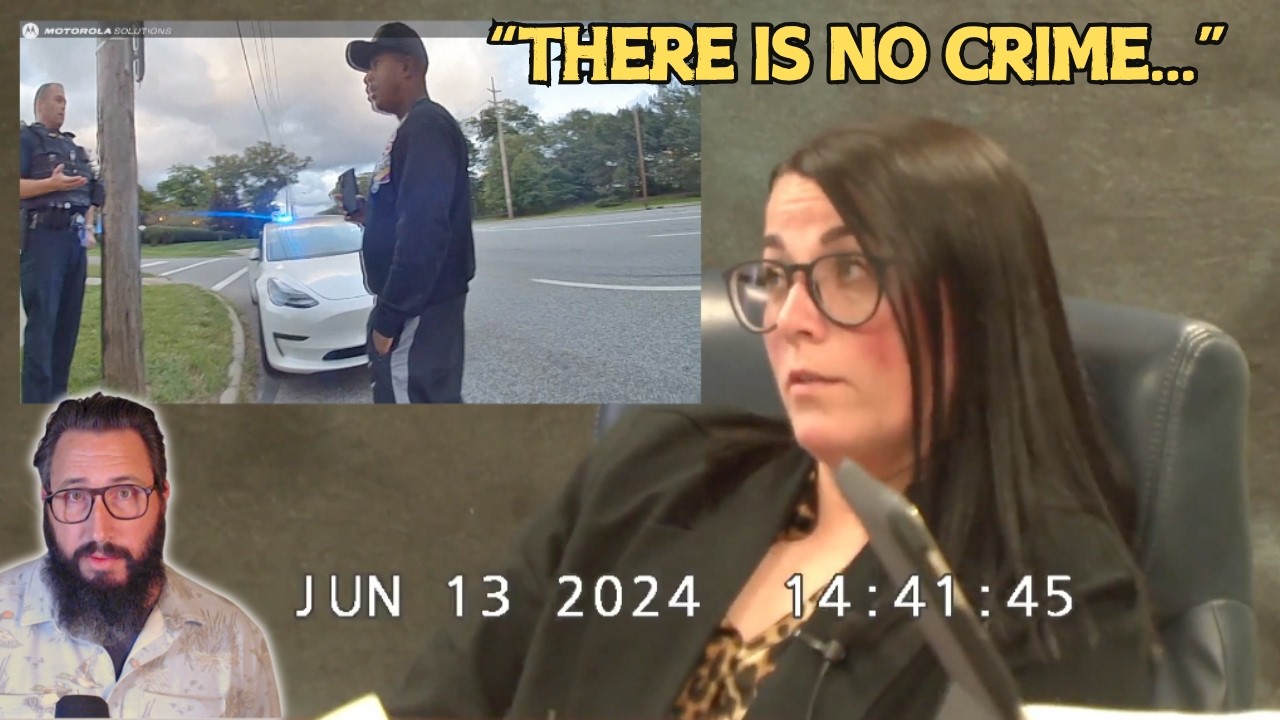 Cops Arrest Man For Refusing ID — Judge Finally Rules
Things we can learn from the video
Press to jump
- 4:40Wiest says Kern approached to request a badge number after a near collision with a police cruiser.
- 5:57Bodycam footage follows an apology, demands for identification and Kern's eventual arrest.
- 23:25A deposition excerpt addresses the supervisor's assumption that Kern was interfering, without first asking what happened.
- 28:31Wiest says the judge found no probable cause but granted immunity, blocking Kern's civil claims.
- 31:39Wiest outlines the planned Sixth Circuit appeal and his expectations for its timing.
- 34:05Wiest explains why the defense's $25,000 offer of judgment was rejected.
Demetrius Kern's criminal charges were dropped. His effort to hold police accountable in civil court has met a different obstacle: qualified immunity.
In John H. Bryan's new video for The Civil Rights Lawyer, Kern's attorney, Chris Wiest, says a federal judge found the arrest lacked probable cause but nevertheless granted immunity. Wiest outlines plans to challenge the decision before the Sixth Circuit Court of Appeals. The update has drawn roughly 691,000 views since yesterday.
Bryan has followed the Cleveland Heights, Ohio, case for more than three years. This installment brings together bodycam footage, sworn depositions and an interview with Wiest, letting viewers follow the encounter before reaching the court's decision.
According to Wiest, Kern approached an officer to obtain a badge number after a police cruiser nearly collided with his vehicle. The bodycam records an apology, followed by demands for identification. A supervisor arrives, threatens an obstruction arrest and takes Kern into custody.
The deposition excerpts examine what police knew before making that arrest. The supervisor acknowledges assuming Kern was interfering with a traffic stop without first asking what had happened. Another excerpt addresses the prosecutor's decision to drop the charges for lack of probable cause, a decision the supervisor says he disagreed with.
The answer promised by the title arrives around 28 minutes in, when Wiest explains the immunity ruling. He then discusses the appeal process and a rejected settlement offer. Bryan also includes a sponsored privacy-service segment early in the video.
For viewers returning after the earlier deposition videos, the new development is concrete: there is finally a ruling to contest, and Wiest explains how he intends to contest it.
A federal appeals court that reviews district court decisions from Kentucky, Michigan, Ohio and Tennessee.
More on Wikipedia ›A city in Ohio's Cuyahoga County and a historic streetcar suburb of Cleveland.
More on Wikipedia ›Published on Trari
Where next?



 Is this your channel?For the channel's owners and team: a ready picture and text for your audience
Share the story with your audience. Everything is ready:
For an Instagram story or a WhatsApp status
For a community post or your channel's description
- Channel
- The Civil Rights Lawyer
- Subscribers
- 2,160,000 ▲ 20,000 this week
- Channel views, last 7 days
- 11,806,169
- Channel views, pace per day
- 672,624 (on a normal day: 2,099,252)
- Video published
- October 28, 2026
- Video views so far
- 690,610 (less than a day online)
- Video views, pace per day
- 1,696,426
The numbers
The court update drew roughly 691,000 views since yesterday.
