
 United States
 United Kingdom
 Canada
 Australia
 New Zealand
 Ireland
Israel's coalition path requires broken promises, Bronner says
Bloomberg's Israel bureau chief explains why neither Netanyahu nor the opposition has a clear route to government after the final election tally.
 Bloomberg Television
Story of
Why this story? The video opened at a pace of 299,128 views a day, 25 times a normal first day on this channel (12,062).
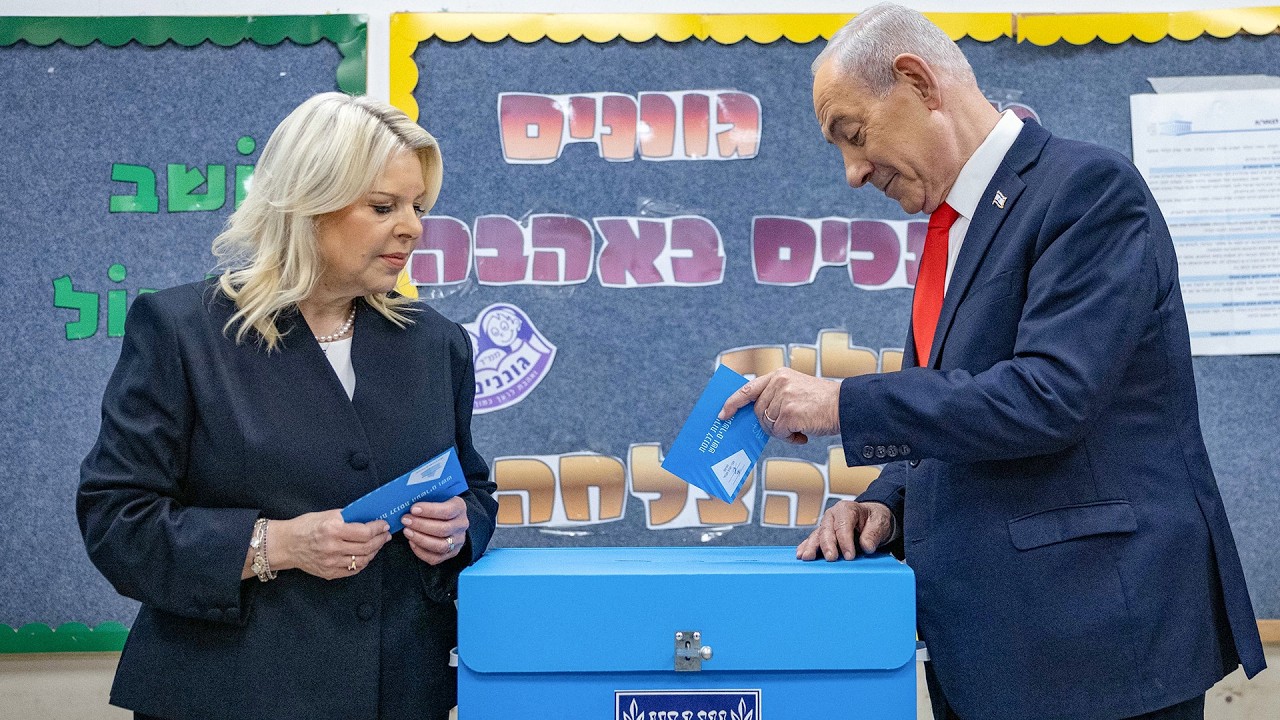 Israel’s Election Leaves Netanyahu in Limbo
Things we can learn from the video
Press to jump
- 0:30Parties must consult President Herzog, and Bronner says forming a coalition will require breaking campaign promises.
- 2:04Bronner explains why Netanyahu retains national-security trust among many Israelis despite losing support.
- 4:54Higher Arab voter participation gives Arab parties greater parliamentary influence.
- 7:32Bronner considers how renewed conflict with Iran could create an opening for a national unity government.
- 10:25Netanyahu retains executive authority as caretaker prime minister but could face resistance from the Knesset majority.
Winning enough partners to govern will mean abandoning campaign promises, Ethan Bronner tells Bloomberg This Weekend. With neither Benjamin Netanyahu nor the main opposition bloc holding a clear majority, the election has left the difficult bargaining still to come.
Speaking with David Gura and Lisa Mateo, Bloomberg's Israel bureau chief explains that parties must consult President Isaac Herzog about forming a government. Difficult coalition negotiations, or another election, are among the possible outcomes. "it's going to be a tough, a tough road all around," Bronner says.
The interview, titled "Israel's Election Leaves Netanyahu in Limbo", drew roughly 218,000 views in thirteen hours, far beyond Bloomberg Television's usual first-day audience for regular videos.
An important part of Bronner's explanation is increased Arab voter participation. Arab parties secured a record number of parliamentary seats, giving them greater political weight without resolving the broader problem of assembling a governing majority.
He also considers how a further confrontation with Iran could change the calculations. A wartime emergency, he says, could create an opening for a national unity government. That is a possible route out of the impasse, not an agreement already reached.
The closing discussion makes a distinction that the inconclusive result can obscure: Netanyahu remains caretaker prime minister, with executive authority, even as he faces potential resistance from a majority in the Knesset.
Published on Trari
Where next?


 Is this your channel?For the channel's owners and team: a ready picture and text for your audience
Share the story with your audience. Everything is ready:
For an Instagram story or a WhatsApp status
For a community post or your channel's description
- Channel
- Bloomberg Television
- Subscribers
- 3,330,000 ▲ 10,000 this week
- Channel views, last 7 days
- 9,690,216
- Channel views, pace per day
- 549,643 (on a normal day: 1,555,696)
- Video published
- October 31, 2026
- Video views so far
- 217,932 (less than a day online)
- Video views, pace per day
- 299,128
The numbers
The election interview drew an unusually large early audience for Bloomberg Television's regular videos. Its comment section was also much busier than a usual first day.

💡 Test your knowledge
Which Israeli president do the parties consult about forming a government?
Bronner identifies President Isaac Herzog as the president involved in the post-election consultations.