
Kat Blaque questions the allyship behind a bánh mì joke
Her drawing-and-commentary essay examines the difference between valuing people and valuing what they can do for you.
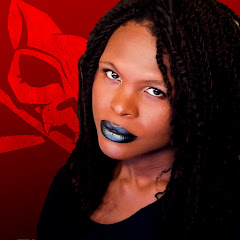 Kat Blaque
Story of
Why this story? The video opened at a pace of 89,846 views a day, 8 times a normal first day on this channel (11,291).
 All that for a BÁNH MÌ?
Things we can learn from the video
Press to jump
- 0:58Noah's original joke links saving a Vietnamese person's life to receiving a bánh mì in thanks.
- 4:31Yenni questions treating a human life as a food transaction.
- 12:14Jas connects bánh mì's colonial history with criticism of the joke's expectation of service.
- 20:00Noah describes the joke as sarcastic and denies implying Vietnamese people are servants.
- 29:48Blaque argues that preserving an anti-racist self-image can displace the work of examining personal biases.
- 32:21Blaque concludes that racial allyship must be unconditional.
Saving someone's life shouldn't come with a sandwich expectation. That's the problem at the center of Kat Blaque's "All that for a BÁNH MÌ?", which turns a TikTok joke into a discussion about conditional allyship.
The clip comes from creator Noah, known as bombasticnoa, who jokes about choosing to save a Vietnamese person over a white person because they would be more likely to make a bánh mì as thanks. Blaque calls it a "white savior joke." Her objection is to making someone's usefulness the reason their life matters, even when the setup presents itself as favoring people of color.
As she touches up a digital portrait, Blaque brings in responses from Vietnamese creators and other commentators. Yenni questions the reduction of a human life to a food transaction; Jas connects the sandwich to French colonial history. The drawing continues alongside an increasingly pointed conversation about who supposedly progressive humor serves.
Noah's response is included, too: they describe the joke as sarcastic and deny saying they would save a person of color only to get something in return. Blaque argues that defending the intended meaning doesn't answer criticism of what the joke communicates.
The essay reached roughly 60,000 views in twelve hours, an unusually fast start for the channel. Its comments had already approached three times a usual full first day's total. Viewers are discussing positive stereotypes, being valued for skills or cultural contributions, and why that can still feel dehumanizing.
Blaque's closing point is straightforward: racial allyship has to be unconditional, not dependent on gratitude, food or reassurance that you're a good person.
Published on Trari
Where next?


What viewers say
Gyaru Kat??? You ate this look!!!
@StarriaaaSee it on YouTube
Public comments from the video's page on YouTube
 Is this your channel?For the channel's owners and team: a ready picture, text and badge for your audience
Share the story with your audience. Everything is ready:
For an Instagram story or a WhatsApp status
For a community post or your channel's description
For your website

You may use the picture, the badge, and link it to this story.
- Channel
- Kat Blaque
- Subscribers
- 645,000
- Channel views, last 7 days
- 310,305
- Channel views, pace per day
- 13,700 (on a normal day: 60,112)
- Video published
- October 23, 2026
- Video views so far
- 60,358 (less than a day online)
- Video views, pace per day
- 89,846
The numbers
The essay is drawing views much faster than Kat Blaque's usual first-day pace. Its comment section is also unusually busy before the first full day is over.

💡 Test your knowledge
Which podcast is hosted by Marc Maron, whose comedy commentary appears in the essay?
Marc Maron launched WTF in 2009, combining his own reflections with long-form interviews.