
 United States
 United Kingdom
 Canada
 Australia
 New Zealand
 Ireland
Cohen's midterm update puts Senate toss-ups and polling doubts together
Inside Elections' Jacob Rubashkin explains a wave of ratings changes favoring Democrats, then addresses why favorable polls still deserve scrutiny.
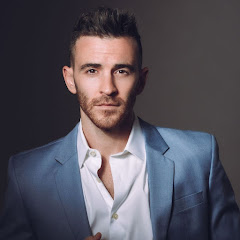 Brian Tyler Cohen
Story of
Why this story? 973,398 views so far, and here is what is inside it.
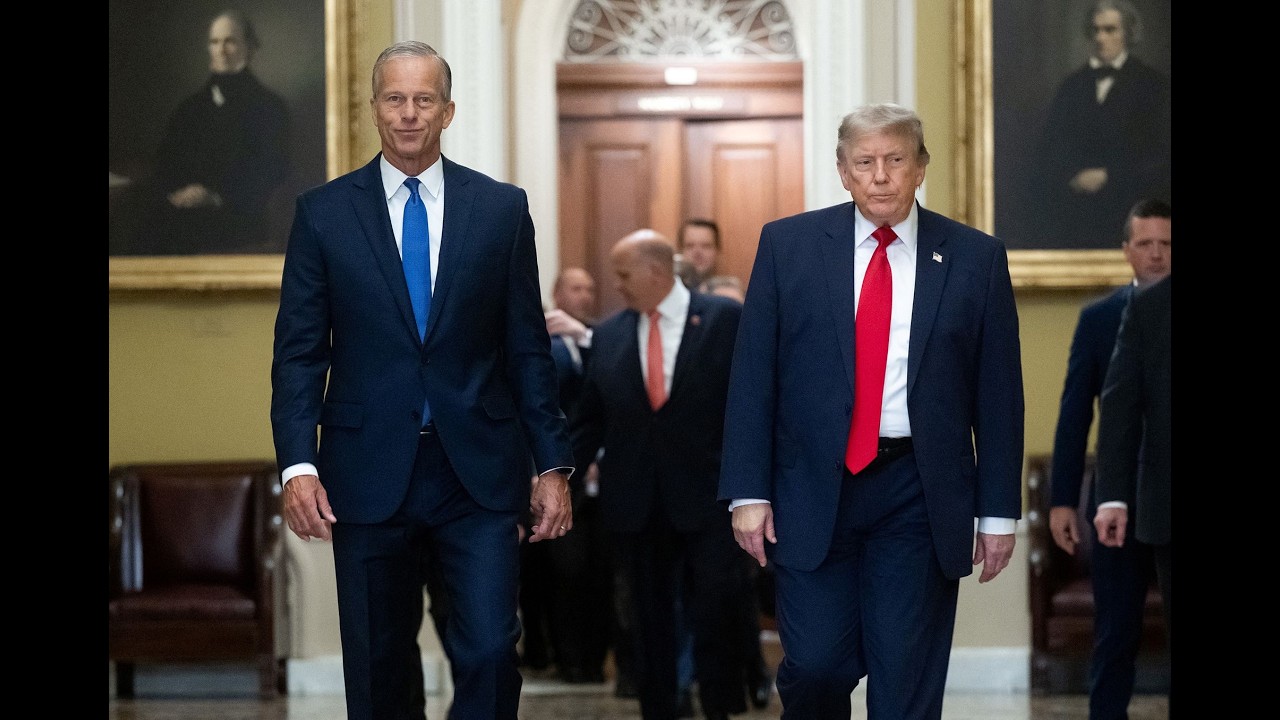 BREAKING: HUGE ELECTION UPDATE on midterms
Things we can learn from the video
Press to jump
- 0:19Rubashkin says all but one of Inside Elections' 64 rating changes favored Democrats.
- 2:30Maine, Iowa, Alaska and Kansas are Senate toss-ups; his projection gives Democrats a majority with one win.
- 4:08Among independent Senate candidates, Rubashkin identifies Nebraska's Dan Osborn as having the strongest winning chance.
- 7:19Rubashkin sees possible Democratic gubernatorial gains in Iowa, Alaska and Ohio.
- 12:00Non-response bias and low-quality polls complicate forecasting; implausibly favorable or unfavorable polling warrants scrutiny.
- 16:39Early House contests in Virginia and Florida could offer election-night clues to the national trend.
Almost every race-rating change Jacob Rubashkin brings to Brian Tyler Cohen's interview points in the same direction: toward Democrats. But Cohen also asks the question that makes those projections useful rather than merely reassuring: how much confidence should anyone place in the polls behind them?
Rubashkin, deputy editor of Inside Elections, says all but one of its 64 adjustments favored Democrats across House, Senate and gubernatorial contests. His Senate projection puts North Carolina, Ohio and Texas moving toward Democrats, with Maine, Iowa, Alaska and Kansas rated as toss-ups. Under that projection, he says, Democrats need to win one of those toss-ups to secure a Senate majority.
The conversation also looks beyond the major-party nominees. Among the independent Senate candidates discussed, Rubashkin singles out Nebraska's Dan Osborn as the one he thinks has a strong chance of winning. He also sees possible Democratic gubernatorial gains in Iowa, Alaska and Ohio.
Cohen's questions about past polling misses give the interview its necessary second half. Rubashkin explains how non-response bias can distort a survey when the people who answer differ from those who do not. He discusses low-quality and fabricated polls, and argues that pollsters may prefer to err on the conservative side rather than appear too favorable to Democrats.
His practical warning is straightforward: polling that seems implausibly good or bad for your preferred side deserves a closer look.
For viewers deciding what to watch first on election night, Rubashkin finishes with early House contests in Virginia and Florida. He identifies those races as potential clues to the national picture, turning Cohen's broad midterm update into a more specific viewing guide.
A twice-monthly political newsletter previously called The Rothenberg Political Report, associated with editor and political analyst Stuart Rothenberg.
More on Wikipedia ›An independent politician, labor union leader and military veteran from Nebraska. He served in the U.S. Navy before joining the Nebraska Army National Guard.
More on Wikipedia ›Published on Trari
Where next?


 Is this your channel?For the channel's owners and team: a ready picture and text for your audience
Share the story with your audience. Everything is ready:
For an Instagram story or a WhatsApp status
For a community post or your channel's description
- Channel
- Brian Tyler Cohen
- Subscribers
- 5,300,000 ▲ 10,000 this week
- Channel views, last 7 days
- 27,050,602
- Channel views, pace per day
- 4,476,699 (on a normal day: 3,467,270)
- Video published
- November 1, 2026
- Video views so far
- 973,398 (less than a day online)
- Video views, pace per day
- 565,404
The numbers
The interview has drawn nearly a million views. Here is how it sits alongside activity across Brian Tyler Cohen's channel.

💡 Test your knowledge
Which state is independent Senate candidate Dan Osborn running in?
Rubashkin discusses Osborn as Nebraska's independent Senate candidate.