
 United States
 United Kingdom
 Canada
 Australia
 New Zealand
 Ireland
A rubber duck gets a teaching job on TED
Cognitive scientist Tania Lombrozo's talk on explaining things to yourself was the most watched of TED's ten new uploads.
 The Science of Learning New Things | Tania Lombrozo | TED
Up next


 TED
Story of
Why this story? The channel's weekly summary: what went up this week, what is drawing views now, and where the channel stands among similar channels.
Things we can learn from the video
Press to jump
- 0:01Explaining code to a rubber duck can help programmers spot a problem without getting an answer from anyone else.
- 2:30Three questions ask the audience to combine what they already know instead of looking up answers.
- 6:26Research on top students illustrates the self-explanation effect: explaining material to yourself can deepen your understanding.
- 8:01In an experiment, prompting young children to explain patterns led them to reason more like adults.
- 10:55Trying to explain tornadoes exposes the gap between feeling that you understand something and being able to explain it.
- 13:00Lombrozo recommends thinking through what you already know before turning to AI or other outside sources.
A rubber duck doesn't have to know a thing about code to help a programmer spot a problem. The work is in explaining the code out loud, Tania Lombrozo tells her TEDxNewEngland audience. In "The Science of Learning New Things | Tania Lombrozo | TED," she asks the room to answer questions without looking anything up, then tells the story of a friend who thought she understood tornadoes until she tried to explain them. One writer in the comments recognised the routine: talking through dialogue and writing down what comes out helps reveal gaps they wouldn't spot in conversation.
Lombrozo's talk drew about 206,000 views, with neuroscientist Heather Berlin's "How to Rewire Your Brain — and Find Your Flow | Heather Berlin | TED" close behind. Berlin makes a case for loosening your grip on uncertainty to make room for creativity. The upload drawing views fastest now takes a different tack: in "How We'll Actually Ditch Fossil Fuels — by the Numbers | Michael Liebreich | TED," energy analyst Michael Liebreich uses a four-line spreadsheet to argue that fossil fuels will be squeezed out without bans.
TED's subscriber count held steady for the week, as did TED-Ed's and CrashCourse's, while TEDx Talks added subscribers. The new talks aren't doing all the work, either. Public speaking expert Cara Hale Alter's "How to Look and Sound Confident | Cara Hale Alter | TED," posted the previous week, is still among TED's three fastest-moving uploads.
Published on Trari
Where next?
A professional in this field? Want to write about Science & learning on Trari? Tell us ›
What viewers say
As a writer, I talk to myself all the time. I run through dialogues, address thought processes, etc. Doing this, and then writing down the results afterwards, helps me to understand what I know and to deal with gaps in my knowledge. This leads me to insights I rarely find when I'm talking to others.
@MartianTomSee it on YouTubeThe rubber ducking part really stuck with me — explaining a problem out loud forces you to transform what you already know instead of just hunting for more information. And the tornado story was such a perfect example of the illusion of explanatory depth; I've definitely caught myself thinking I understood something until I tried to explain it.
@MindZingFactsSee it on YouTubeThis is 100% aligned with an old truth - You have never really mastered a subject until have taught it.
@MarkAubuchon-oq4bqSee it on YouTube
2 more comments
The rubber ducking example really landed for me. I have caught myself thinking I understood something until I tried to explain it out loud, and that gap is exactly the illusion of explanatory depth she describes. Going to try talking through my notes before my next exam.
@qstudy_aiSee it on YouTubeMaybe this is why the verb reflecting is a synonym of thinking. After all, you reflect what's been processed in your mind to your mind back—like a mirror.
@browserhead123See it on YouTube
Public comments from the video's page on YouTube
Want to know when somebody answers you?
 For the channel's owners and team
Share the story with your audience
A ready picture for an Instagram story or a WhatsApp status.
Ready text for a community post
The videos drawing views on TED right now
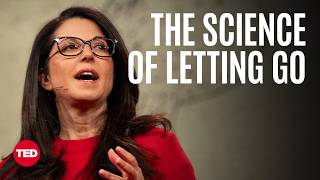 How to Rewire Your Brain — and Find Your Flow | Heather Berlin | TED201,284 views · 2026-11-17
 How We’ll Actually Ditch Fossil Fuels — by the Numbers | Michael Lieb…122,865 views · 2026-11-19
 How to Teach a Robot to Dance | David Dobáš | TED67,237 views · 2026-11-16
 The Couples Therapists Who Nearly Got Divorced | Harville Hendrix | T…59,232 views · 2026-11-16
 What People Living in Democracies Take for Granted | Leopoldo López |…54,322 views · 2026-11-13
 How to Look and Sound Confident | Cara Hale Alter | TED686,328 views
- Channel
- TED
- Subscribers
- 28,000,000
- Channel views, last 7 days
- 5,340,610
- Videos published this week
- 10
- Video published
- November 15, 2026
- Video views so far
- 206,137
- Views on its first day
- 76,694
The numbers
Here's how TED's uploads, views, and subscriber count moved this week.

💡 Test your knowledge
What weather phenomenon does Lombrozo's friend try to explain?
Lombrozo uses her friend's attempt to explain tornadoes to show how easily we can overestimate our understanding.