
Lindsay Scola's TED talk separates exhaustion from laziness
The sleep health educator recounts the long path to a narcolepsy diagnosis, amid seven new TED uploads.
 TED
Story of
Why this story? The channel's weekly summary: what went up this week, what is drawing views now, and where the channel stands among similar channels.
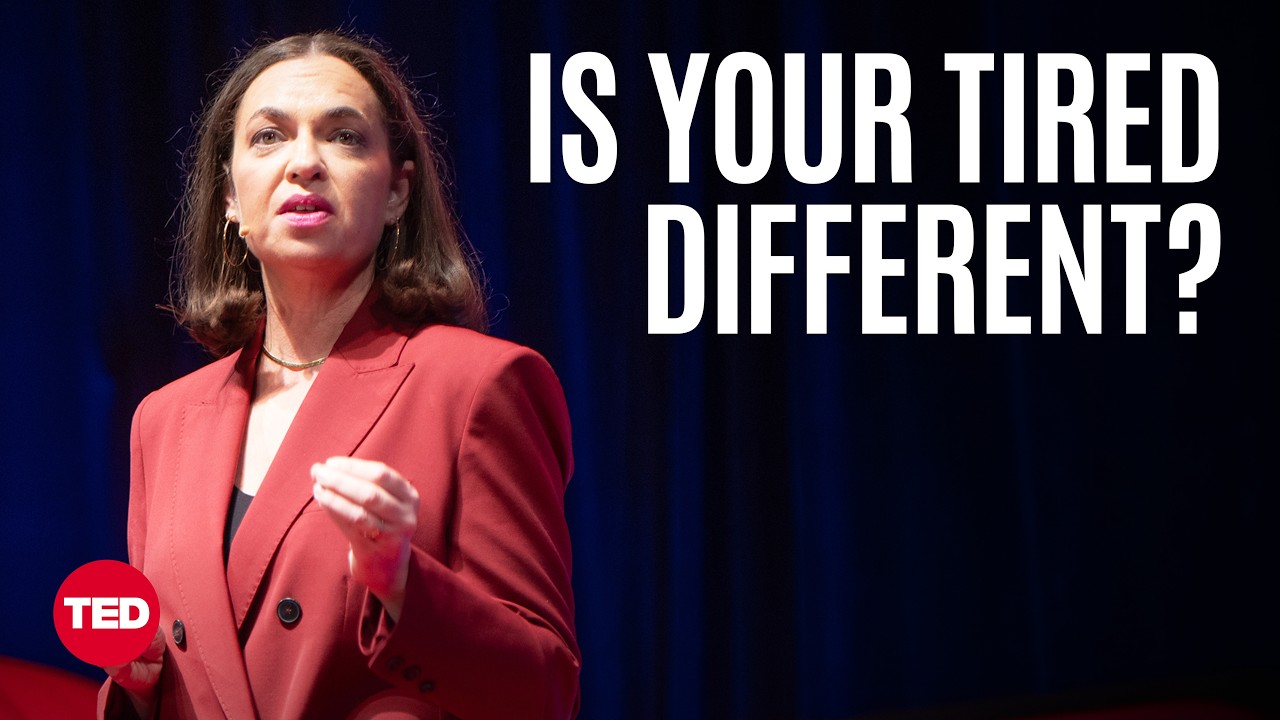 I Thought I Was Lazy. Turns Out I Had a Sleep Disorder | Lindsay Scola | TED
Things we can learn from the video
Press to jump
- 1:18Scola recalls interpreting constant exhaustion during campaign work as laziness or a lack of willpower.
- 3:45She received a narcolepsy diagnosis after 19 years of symptoms, shame and self-doubt.
- 4:28She outlines five main narcolepsy symptoms, including sleep paralysis and cataplexy.
- 7:13Scola says treatment restored energy and creativity, helping her write scripts and publish a book.
- 8:02She urges people whose exhaustion feels abnormal to listen to their bodies and seek a sleep specialist.
"Exhaustion was a badge of honor," Lindsay Scola says, recalling her work on the Obama campaign. She believed her constant sleepiness meant she lacked willpower. A narcolepsy diagnosis eventually gave her a different explanation.
Her talk, "I Thought I Was Lazy. Turns Out I Had a Sleep Disorder | Lindsay Scola | TED," is TED's most-watched new upload of the week, with roughly 119,000 views. Scola describes sleep paralysis, vivid auditory hallucinations and years of searching for answers before reaching a sleep specialist. Treatment, she says, restored the energy and creativity she needed to write scripts and publish a book. Viewers are sharing their own long routes to diagnosis and discussing how easily persistent exhaustion gets dismissed.
Elsewhere in the seven-upload week, relationships received two different treatments. Social psychologist Eli J. Finkel explored being true to yourself within a partnership, while psychologist Paul Bloom considered both the promise of AI companionship and what might be lost when a companion never demands an apology.
The strongest daily momentum now belongs to "What Makes a Good Game? | Eric Zimmerman | TED." His answer starts with constraints: a few good rules can make play possible rather than shut it down. Finkel's relationship talk follows, with Chris Fenning's older workplace-conversation lesson also among the busiest uploads.
TED added about 6.3 million views over the week while its subscriber count held steady. Daily viewing is running above its usual level. Among nearby education channels, TED-Ed and The Infographics Show both collected larger weekly view gains, while CrashCourse had a smaller week. For TED, the newest attention spans an unusually everyday set of questions: how we sleep, how we connect and how we play.
Published on Trari
Where next?


 Is this your channel?For the channel's owners and team: a ready picture, text and badge for your audience
Share the story with your audience. Everything is ready:
For an Instagram story or a WhatsApp status
For a community post or your channel's description
For your website

You may use the picture, the badge, and link it to this story.
The videos drawing views on TED right now
 The Secret to Lasting Love | Eli J. Finkel | TED100,786 views · 2026-10-19
 Campaigns Spend Millions to Influence Voters. This Works Better | Kat…93,125 views · 2026-10-17
 AI and the End of Loneliness | Paul Bloom | TED92,450 views · 2026-10-16
 Why I’m Building Libraries Inside Prisons | Reginald Dwayne Betts | T…71,667 views · 2026-10-15
 What Makes a Good Game? | Eric Zimmerman | TED60,841 views · 2026-10-20
 How to Start Any Conversation the Right Way | Chris Fenning | TED279,712 views
- Channel
- TED
- Subscribers
- 27,900,000
- Channel views, last 7 days
- 6,334,369
- Videos published this week
- 7
- Video published
- October 18, 2026
- Video views so far
- 119,026
- Views on its first day
- 76,553
The numbers
Here is TED's week in views and subscribers.
