
TechLinked's "TVs Have Betrayed Us" examines Samsung privacy claims
James Strive's roundup pairs smart TV concerns with a striking contrast: Valve adds disc support while Sony retreats from standalone Blu-ray players.
 TechLinked
Story of
Why this story? The video opened at a pace of 298,515 views a day, 10 times a normal first day on this channel (28,326).
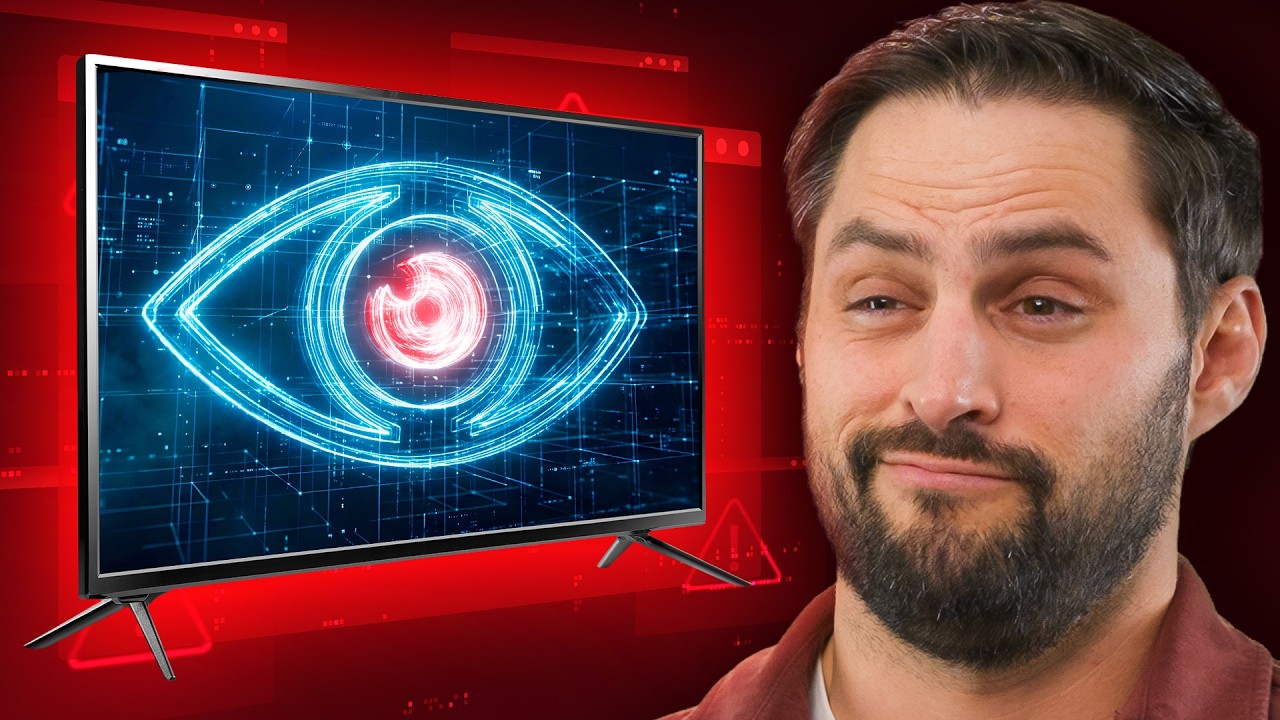 TVs Have Betrayed Us
Things we can learn from the video
Press to jump
- 0:10Strive reports a researcher's claims that Samsung TVs collect audio and screenshots for targeted advertising.
- 1:03Apple's iPhone Duo repair guides arrive alongside teardown concerns about repairability and hinge cracks.
- 1:52The nxnative project lets Switch games run directly on macOS and iOS without traditional emulation.
- 4:28Valve adds CD-ROM drive support to Steam Frame following a user's forum request.
- 4:57Sony reportedly discontinues its final standalone 4K Blu-ray player, leaving PS5 as its remaining option.
- 6:11Japanese rail operators deploy chainsaw-equipped humanoid robots to clear vegetation along tracks.
Nearly 300,000 first-day views. TechLinked's "TVs Have Betrayed Us" drew an estimated audience more than ten times its usual opening, with a household privacy concern leading the bulletin.
Host James Strive reports cybersecurity researcher log4j's claims that Samsung smart TVs collect audio and screenshots for targeted advertising, including through connected microphones such as those in soundbars. The opening concerns the researcher's account, not a demonstration that every Samsung television is recording its surroundings.
Viewers turn the premise into variations on the television watching its owner. Elsewhere in the comments, physical media becomes a talking point, prompted by two stories that sit almost side by side in the episode.
Strive reports that Valve added CD-ROM drive support to its Steam Frame software after a single forum request. Moments later comes Sony's reported discontinuation of its final standalone 4K Blu-ray player. One company makes room for an old disc format; another steps back from dedicated hardware for a newer one.
The episode also returns to the iPhone Duo's repairability, following TechLinked's earlier coverage of reported cracks, and explains nxnative, an open-source project that runs Switch games directly on Apple devices without traditional emulation. It includes a paid Jawa sponsor segment.
The final item takes the roundup away from living-room electronics altogether: Japanese railway vegetation maintenance, carried out by heavy-duty humanoid robots equipped with chainsaws.
Published on Trari
Where next?


What viewers say
While Sony kills discs, Valve now officially supports it on their tech.
@faultlessbenSee it on YouTube0:11 Thought he was gonna say "Samsung smart TVs might be recording more of your data... than LG!" 😀
@DeraileSee it on YouTubeI remember Max headroom had a scene where they panicked because they found that a TV had an off-switch, which was illegal in their world.
@chadbizeau5997See it on YouTube
Public comments from the video's page on YouTube
 Is this your channel?For the channel's owners and team: a ready picture and text for your audience
Share the story with your audience. Everything is ready:
For an Instagram story or a WhatsApp status
For a community post or your channel's description
- Channel
- TechLinked
- Subscribers
- 1,980,000
- Channel views, last 7 days
- 2,760,807
- Channel views, pace per day
- 467,851 (on a normal day: 253,387)
- Video published
- October 27, 2026
- Video views so far
- 329,969 (less than a day online)
- Video views, pace per day
- 254,170
The numbers
This episode's estimated first-day views were far above TechLinked's usual start. The channel's daily views also rose, though by a much smaller proportion.

💡 Test your knowledge
Which company developed Half-Life 2, shown in this episode's PS5 segment?
Valve developed Half-Life 2, which was originally released in 2004.