
 United States
 United Kingdom
 Canada
 Australia
 New Zealand
 Ireland
Tokyo arrest exposes suspected car-based phishing station
Police seized transmitters and computers in Ginza; the suspect denies using radio equipment or knowing it was in the vehicle.
 JapanStory of
Why this story? One of 日テレNEWS's most watched videos since yesterday, with 179,710 views.
日テレNEWS: The news division of Nippon TV, a Japanese commercial television network. 3.4M subscribers and 6.4B views.
 【「ニセ基地局」】 約400万円得たか 中国籍の男“妨害電波”で逮捕…一部始終
Things we can learn from the video
Press to jump
- 0:00Police surround a car in Ginza and question the suspect while inspecting its contents.
- 2:18Seized equipment includes computers, phones, transmitters and fans allegedly used to build a fake base station.
- 3:04An animation explains how jamming newer signals can push susceptible phones onto counterfeit 2G service carrying phishing texts.
- 4:37The report says the suspected operation affected over 10,000 phones daily and brought in about four million yen.
- 5:02Yu denies using radio equipment or knowing it was in the vehicle.
- 5:31Security expert Masakatsu Morii recommends disabling older 2G and 3G reception in phone settings.
Metal electronic devices come out of a car surrounded by police in Tokyo's Ginza shopping district. Investigators also retrieve a box marked as a lithium battery charger, part of equipment they suspect was being used to interfere with nearby mobile phones.
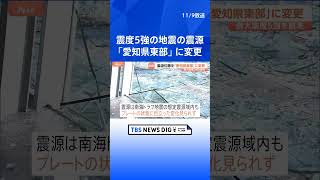
Japan's Nippon Television News (日テレNEWS) reports that police arrested Yu Hai, a Chinese national, on suspicion of violating the Radio Act. The report connects the seized equipment to a suspected mobile phishing operation, while making clear that Yu denies the allegations.
The broadcast explains how a so-called fake base station can turn a passing car into a source of fraudulent text messages. In its animated reconstruction, equipment jams normal 4G and 5G signals, prompting susceptible phones to connect to a counterfeit station using the older 2G standard. That station then broadcasts phishing SMS messages intended to deceive recipients.
According to the report, the operation targeted Ginza and the busy Shinjuku and Shibuya districts. It says more than 10,000 phones a day were affected and that the suspected scheme brought in about four million yen. The number of phones affected is not a count of people who lost money.
A police evidence display shows computers, mobile phones, transmitters and cooling fans. During the street questioning, an investigator asks Yu where he bought the battery; he responds that he does not know. The report later gives his denial: he says he has never used radio transmission equipment and did not put such equipment in the vehicle or know it was there.
Masakatsu Morii, professor emeritus at Kobe University, explains that obtaining the necessary devices is relatively easy. He recommends disabling reception of older 2G and 3G networks in phone settings as a countermeasure. Interviews with office workers in Ginza underline the difficulty of noticing the switch: one says she does not check that part of her phone's display and would probably miss it.
Published on Trari
Where next?


- Channel
- 日テレNEWS
- Subscribers
- 3,390,000 ▲ 10,000 this week
- Channel views, last 7 days
- 61,999,526
- Channel views, pace per day
- 2,029,434 (on a normal day: 7,792,724)
- Video published
- November 9, 2026
- Video views so far
- 179,710 (less than a day online)
- Video views, pace per day
- 247,181
The numbers
The report drew about 180,000 views since yesterday, placing it among Japan's most-watched new news videos.
