
 United States
 United Kingdom
 Canada
 Australia
 New Zealand
 Ireland
LegalEagle explains when silence can count against a defendant
Guest host Marc Lopez compares American protections with English and Welsh rules that can make staying silent a harder choice.
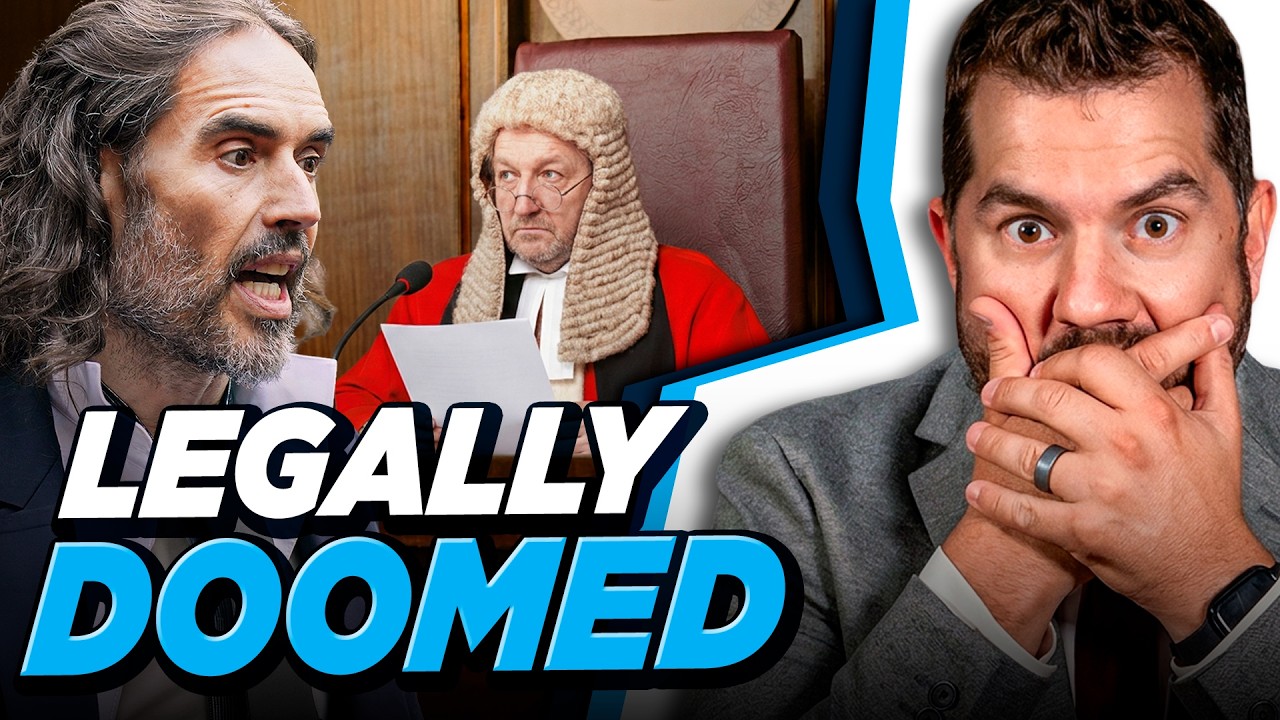 UK Criminal Law Hits Different
Up next



 LegalEagle
Story of
Why this story? 1,133,655 views so far, and here is what is inside it.
Things we can learn from the video
Press to jump
- 3:22Testifying exposes defendants to cross-examination, making the decision a substantial tactical risk.
- 7:22American trial protections bar adverse inferences from a defendant's decision not to testify.
- 10:48England and Wales permit certain adverse inferences from silence, but silence alone cannot establish guilt.
- 14:49Police questioning creates different risks: English cautions and American Miranda protections do not operate identically.
- 17:12Defense disclosure rules require different levels of advance notice about the case defendants intend to present.
- 19:35Testifying defendants generally go before other defense witnesses in England and Wales; American defendants can wait.
Refusing to testify does not mean the same thing on both sides of the Atlantic. In LegalEagle's "UK Criminal Law Hits Different," criminal defense attorney Marc Lopez explains a distinction that courtroom dramas can easily obscure: whether jurors may hold a defendant's silence against them.
In an American criminal trial, Lopez explains, prosecutors cannot ask jurors to infer guilt from a defendant's decision not to testify. In England and Wales, legislation permits adverse inferences from silence in certain circumstances. That comes with an important limit: "Silence alone cannot establish guilt."
The comparison also reaches back into police questioning. Lopez explains how failing to mention something later relied on in court can have consequences under English and Welsh rules. American protections have their own complications, including circumstances in which someone must explicitly invoke the right to remain silent.
Then there is the timing of testimony. In England and Wales, a defendant who gives evidence generally must do so before other defense witnesses. American defendants can hear those witnesses before deciding whether to testify themselves. Lopez explains why that matters: taking the stand exposes a defendant to cross-examination, and the decision can change as the evidence unfolds.
Despite its UK-wide title, the video distinguishes English and Welsh law from Scotland's separate system. It has passed a million views, but its central subject is the practical consequence of those procedural differences. The upload also contains paid promotional segments, separate from Lopez's legal analysis.
Published on Trari
Where next?
What do you think?
Want to know when somebody answers you?
 For the channel's owners and team
Share the story with your audience
A ready picture for an Instagram story or a WhatsApp status.
Ready text for a community post
- Channel
- LegalEagle
- Subscribers
- 3,960,000
- Channel views, last 7 days
- 7,941,238
- Channel views, pace per day
- 712,405 (on a normal day: 931,670)
- Video published
- November 13, 2026
- Video views so far
- 1,133,655 (5 days online)
- Video views, pace per day
- 70,882 (on a normal day: 408,273)
The numbers
The legal comparison has passed a million views in five days. Its viewing total is not an unusual result for LegalEagle.
