
 United States
 United Kingdom
 Canada
 Australia
 New Zealand
 Ireland
LegalEagle explains why a congressional subpoena isn't the final word
Devon Stone's post-election analysis separates Democrats' power to investigate from their ability to compel cooperation or pass laws.
 LegalEagle
Story of
Why this story? 855,478 views so far, and here is what is inside it.
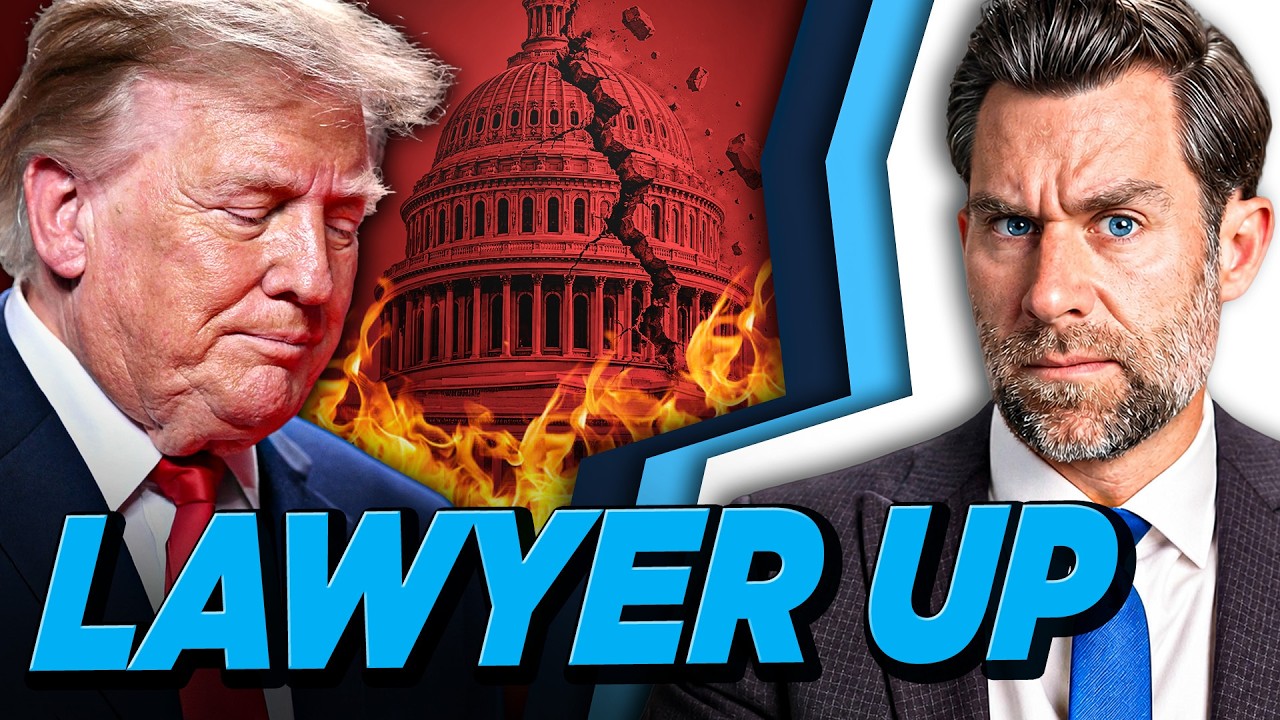 What Happens Next
Next story: Democrats win Deep South House vote, Enten says in midterm review
638 more stories on 2026 US midterm elections ›
Things we can learn from the video
Press to jump
- 5:22Removing an impeached official requires 67 Senate votes, not simply a majority.
- 10:05Congress's investigative authority rests on its legislative role, with Supreme Court cases defining its reach.
- 11:35Trump v. Mazars places limits on congressional subpoenas targeting a president's personal records.
- 16:15Subpoena enforcement has three routes: criminal contempt, civil court proceedings, and Congress's inherent contempt power.
- 20:00Stone describes efforts to obtain administration officials' AI chatbot logs under the Presidential Records Act.
- 23:42Presidential vetoes and Senate filibuster rules remain obstacles to legislation despite Democratic control of Congress.
A congressional majority can demand records. Getting them is another matter. In LegalEagle's "What Happens Next," Devon Stone examines the distance between winning control of Congress and making its powers count against the Trump administration.
His most practical section concerns subpoenas. Stone sets out three enforcement routes: criminal contempt, a civil case in federal court, and Congress's own inherent contempt power. The distinction matters because issuing a demand for evidence does not, by itself, settle what happens when someone refuses it.
Before reaching those options, he explains the legal foundations of congressional oversight and the limits courts have placed on it. That includes Trump v. Mazars, the Supreme Court case concerning congressional subpoenas for a president's personal records. Public hearings and criminal referrals, he argues through the example of the January 6 committee, also have different purposes and different limits.
Impeachment gets a similarly concrete treatment. Stone explains that removing an official requires 67 Senate votes, a much higher hurdle than holding a majority. And control of both chambers does not eliminate presidential vetoes or the Senate's filibuster rules.
The video contains paid sponsor segments and a closing advertisement for Stone's law firm.
For viewers who saw his earlier post-election call to preserve records and investigate, this is the procedural follow-through. Stone describes incoming committee chairs sending preservation letters and seeking officials' AI chatbot histories under the Presidential Records Act. His focus moves from what Democrats want to examine to the legal machinery they would need to use.
Published on Trari
More on 2026 US midterm elections


Where next?



What do you think?
 Is this your channel?For the channel's owners and team: a ready picture and text for your audience
Share the story with your audience. Everything is ready:
For an Instagram story or a WhatsApp status
For a community post or your channel's description
- Channel
- LegalEagle
- Subscribers
- 3,960,000
- Channel views, last 7 days
- 4,610,246
- Channel views, pace per day
- 844,581 (on a normal day: 690,179)
- Video published
- November 11, 2026
- Video views so far
- 855,478 (2 days online)
- Video views, pace per day
- 673,789
The numbers
The video has drawn about 855,000 views since publication. Its subject, rather than an unusual jump in views, is the story here.
