
 United States
 United Kingdom
 Canada
 Australia
 New Zealand
 Ireland
LegalEagle examines when an LG TV's listening becomes wiretapping
Steve Burke and Wendell Wilson bring their smart-TV tests to a legal discussion about accidental recordings, consent and the limits of a microphone switch.
 LegalEagle
Story of
Why this story? 942,224 views so far, and here is what is inside it.
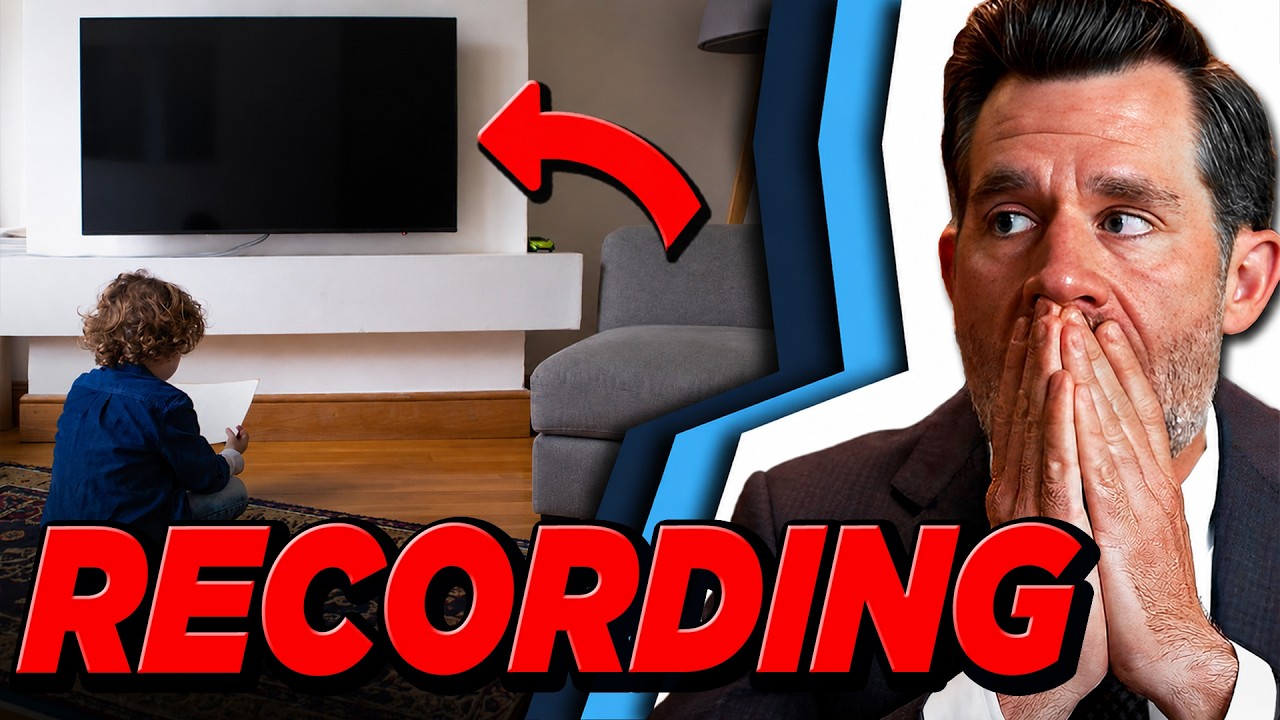 I investigated LG's Wiretapping Liability with GamersNexus
Things we can learn from the video
Press to jump
- 4:26Burke and Wilson explain how root access helped them inspect the TV's behavior and transcript generation.
- 6:36LG's public statements deny unprompted recording and explain push-to-talk and far-field wake-word operation.
- 11:42LegalEagle distinguishes communication contents from metadata and explains why intentional interception matters under federal wiretapping law.
- 17:19Voice-assistant lawsuits and California consent requirements raise questions about recording people who never accepted the device's terms.
- 22:23The researchers demonstrate that a hardware switch may disable built-in microphones without blocking peripheral audio inputs.
- 26:46The legality answer depends on the TV function, recording circumstances and consent, with arbitration creating a separate litigation hurdle.
"I could not hear Steve, and the TV was able to transcribe Steve's audio correctly," Wendell Wilson tells LegalEagle. That account puts a concrete question behind the privacy settings: whose permission does a television need to capture a conversation?
In "I investigated LG's Wiretapping Liability with GamersNexus", LegalEagle joins GamersNexus editor-in-chief Steve Burke and Level1Techs founder Wilson to examine their findings and the legal distinctions that could matter. Burke says their testing found the microphone remained active briefly after voice commands, transcribing ambient speech. Wilson describes wake-word activations through multiple walls.
LegalEagle also presents LG's public statements denying unprompted recording and explaining its push-to-talk and far-field wake-word features. The disagreement matters because a deliberate voice command, an accidental activation and background logging do not necessarily receive the same legal treatment.
His analysis separates the contents of communications from metadata, then examines the Federal Wiretap Act's requirement of intentional interception. Cases involving voice assistants supply another question: even if an owner accepts the terms, what about someone else whose conversation is captured? California's requirement for all parties to consent to recording confidential communications makes that distinction particularly important.
The hardware discussion complicates the apparent simplicity of an off switch. Burke and Wilson demonstrate that disabling built-in microphones may leave peripheral audio inputs accessible through the system shell. They discuss disconnecting the television from the network as a mitigation. The episode contains paid advertising segments, separate from the investigation.
At the conclusion, LegalEagle does not give every TV function a single legal verdict. He distinguishes explicit commands from background recording and different consent requirements, before considering another hurdle for owners: arbitration clauses, class-action waivers and terms requiring them to notify household guests.
A website and YouTube channel covering consumer computer hardware through news and reviews.
More on Wikipedia ›Published on Trari
Where next?



 Is this your channel?For the channel's owners and team: a ready picture and text for your audience
Share the story with your audience. Everything is ready:
For an Instagram story or a WhatsApp status
For a community post or your channel's description
- Channel
- LegalEagle
- Subscribers
- 3,950,000
- Channel views, last 7 days
- 6,179,067
- Channel views, pace per day
- 895,155 (on a normal day: 691,733)
- Video published
- October 23, 2026
- Video views so far
- 942,224 (5 days online)
- Video views, pace per day
- 142,564 (on a normal day: 175,540)
The numbers
This video's views provide context, rather than an unusual surge. The main story is the legal distinction between asking a television to listen and having other conversations captured.
