
 United States
 United Kingdom
 Canada
 Australia
 New Zealand
 Ireland
Jeffrey Sachs urges Arab-party inclusion in Israel's coalition talks
His Judging Freedom interview connects Israel's post-election negotiations with an argument that American voters are rejecting foreign wars.
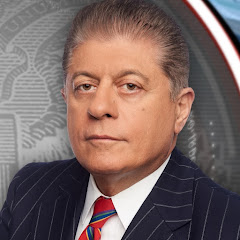 Judge Napolitano - Judging Freedom
Story of
Why this story? The video opened at a pace of 310,199 views a day, 16 times a normal first day on this channel (19,127).
 Prof. Jeffrey Sachs : Israel Without Netanyahu?
Things we can learn from the video
Press to jump
- 1:17Sachs argues Eisenkot has enough parliamentary support to replace Netanyahu, with Arab parties central to the coalition arithmetic.
- 3:37Napolitano introduces Eisenkot's reported outreach to Likud and Religious Zionism; Sachs argues against excluding Arab representation.
- 14:26Sachs interprets the American midterm results as a rejection of politicians supporting foreign wars.
- 18:09A Randy Fine interview prompts Sachs to distinguish criticism of the Iran war from blaming Jewish people.
- 28:32Asked about Treasury borrowing costs, Sachs links mounting debt to prolonged deficit spending and foreign intervention.
Replacing Benjamin Netanyahu is only part of the question Jeffrey Sachs takes up with Andrew Napolitano. The other is whether Israel's next governing coalition will include the Arab parties whose seats, Sachs argues, offer Gadi Eisenkot a route to power.
The interview, titled "Prof. Jeffrey Sachs : Israel Without Netanyahu?", drew more than 200,000 views in half a day, already far beyond Judging Freedom's usual full-day audience for a regular video.
Sachs describes the election as a rejection of Netanyahu and argues that Eisenkot has enough parliamentary support to replace him. But Napolitano introduces a complication: a report that Eisenkot has invited Likud and Religious Zionism into an emergency coalition. Sachs criticizes efforts to exclude Arab representation, making equal political participation the central issue rather than simply a change of prime minister.
Napolitano then plays Netanyahu's warning that a government supported by Islamists would threaten Israel's survival. Sachs rejects that argument, saying democratic government requires equal rights and representation.
The conversation shifts to the American midterms and the war in Iran. Sachs interprets the results as a rejection of foreign wars, rather than treating that explanation as a settled account of why voters chose as they did. A Fox News excerpt shows Representative Randy Fine refusing to support JD Vance in a future presidential nomination contest after Vance's comments linking election losses to the war. Sachs defends the distinction between criticizing a war and blaming Jewish people.
By the closing stretch, Napolitano asks about high Treasury borrowing costs. Sachs connects them to decades of deficits and foreign intervention, bringing the discussion back to his central argument: overseas commitments carry domestic political and economic costs.
An American economist and public policy analyst at Columbia University, where he is a professor and directs the Center for Sustainable Development.
More on Wikipedia ›Leader of Israel's Yashar party and a former military chief. He led Yashar in the 2026 election as the main challenger to Benjamin Netanyahu.
More on Wikipedia ›A Republican who has represented Florida's 6th congressional district in the U.S. House since April 2025. He previously served in Florida's state legislature.
More on Wikipedia ›Published on Trari
Where next?



 Is this your channel?For the channel's owners and team: a ready picture and text for your audience
Share the story with your audience. Everything is ready:
For an Instagram story or a WhatsApp status
For a community post or your channel's description
- Subscribers
- 795,000 ▲ 2,000 this week
- Channel views, last 7 days
- 4,388,152
- Channel views, pace per day
- 767,719 (on a normal day: 558,780)
- Video published
- November 9, 2026
- Video views so far
- 219,041 (less than a day online)
- Video views, pace per day
- 310,199
The numbers
The Sachs interview has already exceeded the channel's usual full-day views. Napolitano's separate Hegseth impeachment video also drew an unusually fast audience.

💡 Test your knowledge
Which state does Representative Randy Fine represent?
Fine is identified in the interview footage as a Republican representative from Florida.