
 United States
 United Kingdom
 Canada
 Australia
 New Zealand
 Ireland
Eckhart Tolle tells Andrew Huberman why silence isn't stillness
The author of The Power of Now starts with a simple exercise: notice what you sense before putting it into words.
 Access the Power of Now to Experience Life More Fully | Eckhart Tolle
Up nextTrari.com home page ›



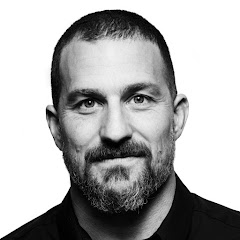 Andrew Huberman
Story of
Why this story? 904,756 views so far, and here is what is inside it.
Andrew Huberman asks Eckhart Tolle for an exercise they can do right there on Huberman Lab. Tolle's answer is to pay attention to what the senses are picking up without immediately naming it. For the author of The Power of Now, that's the entry point: first notice what you're hearing or seeing, then notice the awareness behind it.
The difference between a quiet room and a quiet mind comes into focus when Huberman remembers trying an anechoic chamber in graduate school. With outside sound all but gone, the noises of his own body became vivid and disorienting. Tolle draws the distinction plainly: silence is the absence of external noise; stillness is the absence of the inner noise of thinking.
Tolle takes that idea into less quiet territory: conversations with other people, where he says it's easy to respond to a label you've put on someone instead of attending to the person in front of you. He applies the same distinction to himself: "I'm only a spiritual teacher when I'm talking to a group. It's a function, not an identity." The episode includes sponsored segments.
There's a reading history in the comments, too. Some viewers describe returning to The Power of Now for years. Another came to Tolle by a different route: Kendrick Lamar's Mr. Morale & the Big Steppers.
Published on Trari.com
Go back to Trari.com home page
Where next?
Things we can learn from the video
Press to jump
- 3:36Tolle demonstrates how he practices presence: notice sensory impressions without naming them.
- 22:15Tolle says the ego props up its sense of identity by finding something to oppose.
- 32:27A walk through an Alaskan forest helps Tolle explain the difference between knowing about something and experiencing it.
- 1:02:06Tolle distinguishes silence outside you from stillness in your own thinking.
- 1:34:40Tolle puts awareness at the top of an imaginary triangle, above opposing positions that can pull people into reactive thinking.
- 1:43:00Tolle says taking credit for creative success can interrupt the flow that made it possible.
A professional in this field? Want to write about Lifestyle, beauty & fitness on Trari? Tell us ›
What viewers say
The Power of Now is never far from my bedside. I’ve probably read it over 50 Times & each time I do I get something new. For me, he’s one of The Most Effortlessly Powerful Teachers on Consciousness in our lifetime.
@waynemcdaniel7405See it on YouTubeI discovered Eckhart Tolle on Kendrick Lamar's "Mr.Morale & The Big Steppers" album, and I've been following him ever since! He's a genius.
@ha9096See it on YouTubeWhenever I hear Eckhart Tolle's voice, I immediately feel calm.
@NiloufarsaberSee it on YouTube
4 more comments
What a combination of minds! The Power of Now is one of those books I keep going back to, its simplicity is timeless.
@kaiworleyphotographySee it on YouTubeNeuroscience meets spirituality! Exciting times for all
@awaisaureliusSee it on YouTubeAndrew we appreciate you bridging these gaps.
@cruzc5frcSee it on YouTubeEckhart Tolle changed my life 19 years ago when I read “A New Earth.” I am so deeply grateful. ❤❤❤
@sonyashieldsSee it on YouTube
Public comments from the video's page on YouTube
Want to know when somebody answers you?
 For the channel's owners and team
Share the story with your audience
A ready picture for an Instagram story or a WhatsApp status.
Ready text for a community post
- Channel
- Andrew Huberman
- Subscribers
- 8,050,000 ▲ 20,000 this week
- Channel views, last 7 days
- 3,093,040
- Channel views, pace per day
- 587,083 (on a normal day: 279,922)
- Video published
- November 23, 2026
- Video views so far
- 904,756 (6 days online)
- Video views, pace per day
- 54,096 (on a normal day: 253,660)
The numbers
The full Huberman Lab conversation drew about 905,000 views in its first six days.

💡 Test your knowledge
Which philosopher does Eckhart Tolle cite for the line "I think, therefore I am"?
Tolle names Descartes when discussing the difference between thinking and being.