
 United States
 United Kingdom
 Canada
 Australia
 New Zealand
 Ireland
Andrew Huberman's learning conversation puts curiosity before grades
Dr. Mary Helen Immordino-Yang joins an Essentials episode, while Paul Stamets brings fungi into a three-upload week.
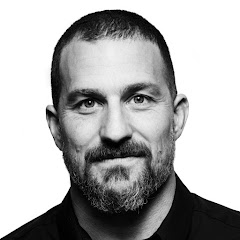 Andrew Huberman
Story of
Why this story? The channel's weekly summary: what went up this week, what is drawing views now, and where the channel stands among similar channels.
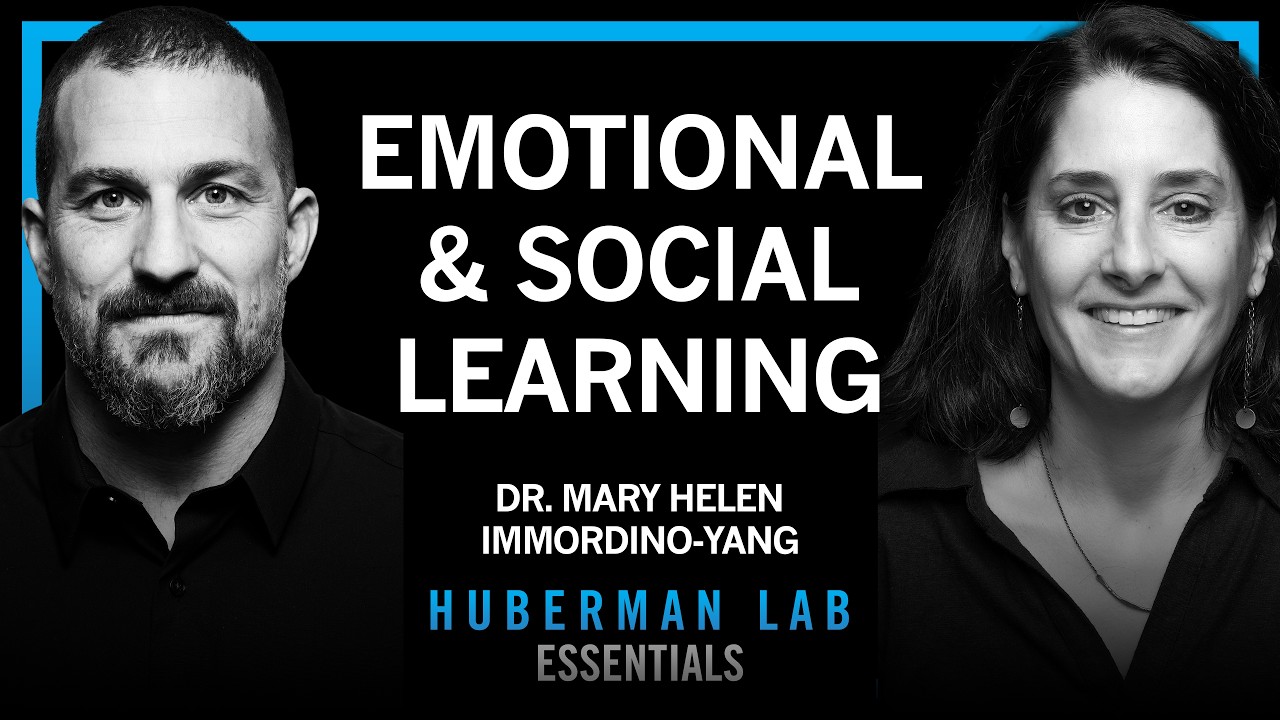 Essentials: How Emotions & Social Factors Impact Learning | Dr. Mary Helen Immordino-Yang
Next story: Doctor Myro explains when cutting mold off cheese isn't enough
Things we can learn from the video
Press to jump
- 2:40Immordino-Yang explains how the brain's mapping of the body underpins consciousness and interacts with culture.
- 20:00She urges people to examine their default biases, values and emotional narratives.
- 26:53Project-based assessment can ask students to develop interdisciplinary work rather than take standardized tests.
- 30:34She distinguishes emotion about grades from emotion about ideas: what engages feeling shapes what gets learned.
- 32:32She argues that developing the whole person should take priority over treating curriculum content as the endpoint.
Feeling anxious about a grade and feeling curious about an idea aren't the same kind of engagement. That distinction gives Andrew Huberman's most-watched new upload its central question: what should education actually develop?
In "Essentials: How Emotions & Social Factors Impact Learning | Dr. Mary Helen Immordino-Yang", the USC professor argues for schooling that develops the person, rather than treating curriculum content as the destination. She describes students devising interdisciplinary projects and, crucially, inventing the questions themselves. The conversation has passed 100,000 views. Among the comments, viewers pick up on the difference between learning to perform and learning to think, and on how other people help shape our sense of self.
The week's freshest conversation heads somewhere quite different. "Mushrooms for the Mind & Immune System | Paul Stamets" drew roughly 92,000 views in its first 15 hours and currently has the channel's strongest daily momentum. Huberman and Stamets explore fungal biology, potential medicinal uses, psilocybin research and safety considerations across a conversation lasting more than two hours.
The third upload, "Why Addiction is a Control Problem | Dr. Anna Lembke", connects addiction with the desire to reduce uncertainty. Her longer conversation from the previous week also remains among the channel's busiest videos, with discussion ranging from dopamine and compulsive behavior to tolerating uncertainty. Between Immordino-Yang's invitation to question assumptions and Lembke's discussion of control, not having every answer becomes a recurring subject.
Published on Trari
Where next?


A professional in this field? Want to write about Science & learning on Trari? Tell us ›
What viewers say
At 30:33, the distinction between emotions about outcomes and emotions about ideas really reframed learning for me — if I'm only feeling the grade, I'm learning how to perform, not how to think. My takeaway: before starting something hard, I now ask what idea I'm actually curious about, because that curiosity is what carries me through the work.
@PreciseCut-b2sSee it on YouTubeAt 3:09, the point that we depend on other people to form our own sense of self really stayed with me. It reframes learning as something social at its core, not just information going in — the people around us are quietly shaping how we see ourselves and what the material means to us.
@PreciousClips-n1uSee it on YouTubeThe most powerful takeaway: Education should not just teach us what to think, but help us understand why we think, feel, and believe what we do. True learning begins when curiosity meets emotion, empathy, and meaningful experiences. We don't just learn with our brains; we learn through the experiences that shape who we become. 🧠✨
@vedantmehta9060See it on YouTube
2 more comments
Thanks so much for this opportunity to hear alternative perspectives from other educators on how we can advance children’s and adults' development in education-truly yours.
@ErinReid-z7k4rSee it on YouTubeThank you for the useful conversation, Dr. Mary Helen and Andrew Huberman!
@commitnobugSee it on YouTube
Public comments from the video's page on YouTube
Want to know when somebody answers you?
 Is this your channel?For the channel's owners and team: a ready picture and text for your audience
Share the story with your audience. Everything is ready:
For an Instagram story or a WhatsApp status
For a community post or your channel's description
The videos drawing views on Andrew Huberman right now


- Channel
- Andrew Huberman
- Subscribers
- 8,020,000
- Videos published this week
- 3
- Video published
- November 12, 2026
- Video views so far
- 101,848
The numbers
Here is how the week's uploads and the channel's busiest conversations are doing.

💡 Test your knowledge
Which university is Mary Helen Immordino-Yang affiliated with?
Immordino-Yang is a professor of education and psychology at USC.