
 United States
 United Kingdom
 Canada
 Australia
 New Zealand
 Ireland
Fireship weighs AI debt trouble against cheap tools for developers
Jeff Delaney's Code Report examines cloud borrowing and Anthropic's filing, then explains why programmers may still benefit from the spending.
 Fireship
Story of
Why this story? One of the most watched videos since yesterday, with 1,301,879 views.
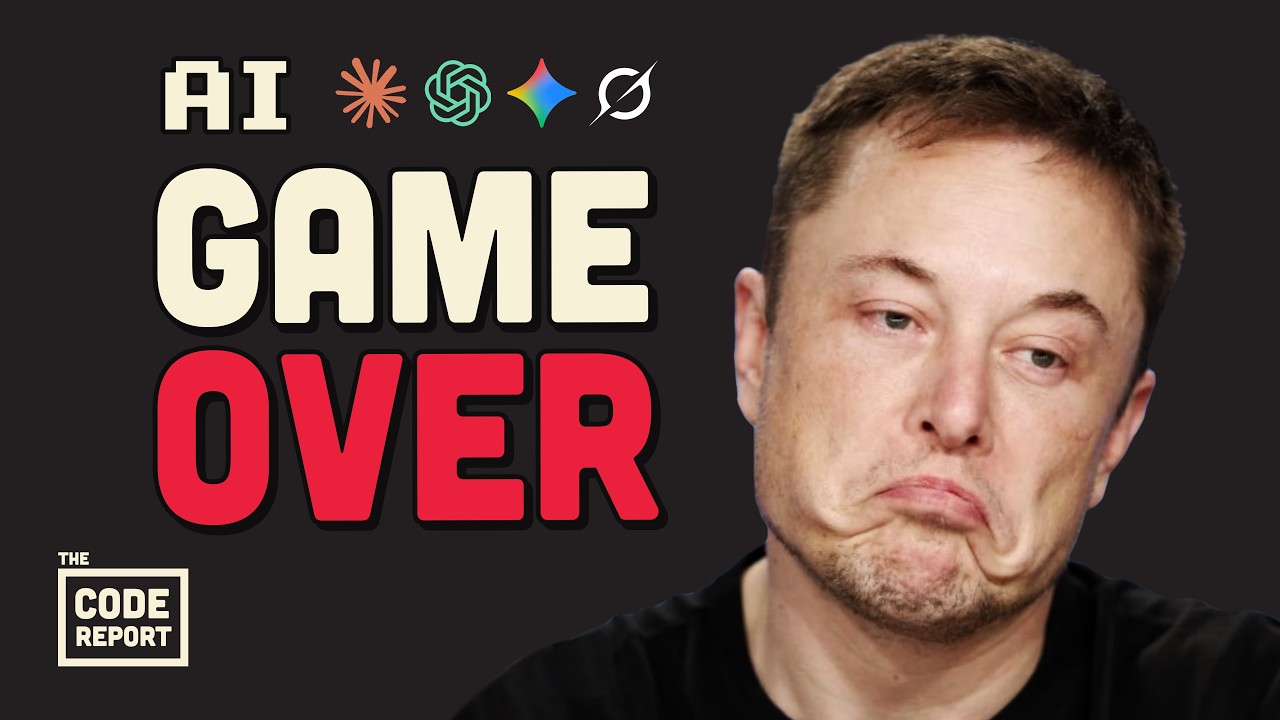 Did the AI bubble just pop?
Things we can learn from the video
Press to jump
- 1:19Delaney explains circular financing among GPU vendors, AI companies and debt lenders.
- 2:25CoreWeave's high bond yields illustrate investor concerns about the cost of financing AI infrastructure.
- 2:51Anthropic's S-1 supplies reported losses, cloud-computing commitments and disclosed business risks.
- 3:54Delaney argues that subsidized tokens and competitive open models can still benefit developers.
For the companies selling AI, cheap computing can be an expensive promise. For programmers buying it, Jeff Delaney sees a more immediate upside: competing providers willing to subsidize their work.
That contrast drives Fireship's "Did the AI bubble just pop?", which has drawn roughly 1.3 million views since yesterday. Rather than declare the boom finished, Delaney follows the money behind the tools, from graphics-chip suppliers to AI companies and the lenders financing their expansion.
His central concern is circular financing: the web of financial relationships connecting businesses that also depend on one another as customers. He then turns to AI cloud provider CoreWeave, citing reporting about high bond yields as investors question its financing costs. The distinction matters: demand for computing does not make the borrowing used to supply it cheap.
Anthropic's public S-1 filing supplies the next part of his examination. Delaney highlights reported losses, commitments to cloud providers and the risks disclosed in the document, putting the financial obligations behind the chatbot business alongside its ambitions.
But the answer changes when he returns to the people writing code. "Well, as always, it depends," he says. He argues that competitive token pricing and open-model performance leave developers with useful options, even while the companies providing them face harder financial questions.
The episode ends with a sponsored segment for an AI-agent platform. Before that commercial turn, Delaney's practical distinction is clear: a difficult business for the supplier can still offer a bargain to the programmer.
Published on Trari
Where next?



 Is this your channel?For the channel's owners and team: a ready picture and text for your audience
Share the story with your audience. Everything is ready:
For an Instagram story or a WhatsApp status
For a community post or your channel's description
- Channel
- Fireship
- Subscribers
- 4,320,000 ▲ 10,000 this week
- Channel views, last 7 days
- 7,072,664
- Channel views, pace per day
- 275,188 (on a normal day: 1,184,732)
- Video published
- October 28, 2026
- Video views so far
- 1,301,879 (less than a day online)
- Video views, pace per day
- 1,668,167
The numbers
The video has passed a million views in its opening hours. The figures below show its audience so far.

💡 Test your knowledge
Which chip company features in Delaney's explanation of AI financing?
Delaney names Nvidia among the GPU vendors involved in the financing relationships he examines.