
 United States
 United Kingdom
 Canada
 Australia
 New Zealand
 Ireland
Mercedes freezes German investment and weighs factory closures, DW reports
Automotive analyst Ferdinand Dudenhöffer argues that high costs and missed manufacturing advances threaten more than one carmaker's domestic plants.
 DW News
Story of
Why this story? One of DW News's most watched videos since yesterday, with 371,606 views.
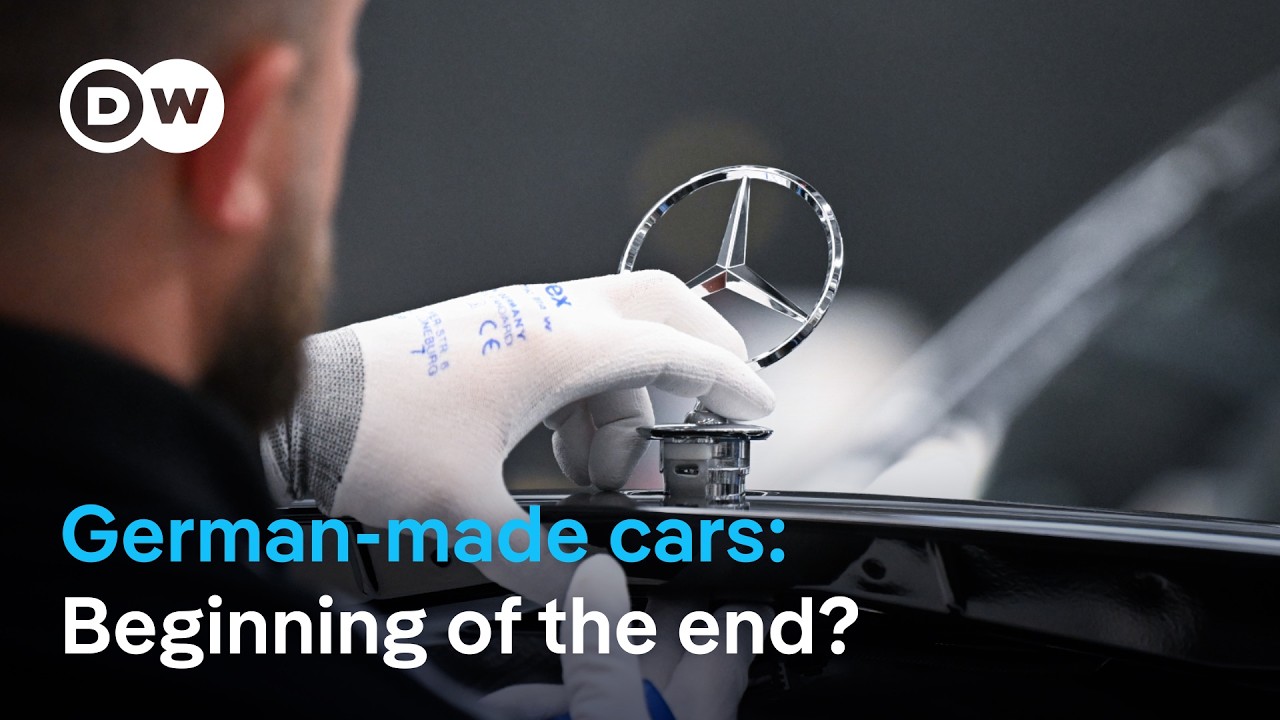 Mercedes halts investments in Germany, says may shut down factories | DW News
Next story: Who directs Haiti's security? DW examines Bukele's military deployment
Things we can learn from the video
Press to jump
- 0:00DW reports that Mercedes is halting German investment and reviewing possible domestic plant closures.
- 1:41Dudenhöffer identifies high production costs, electric-vehicle competition and outdated manufacturing technology as the core problems.
- 2:40Levitz raises union resistance to wage and working-condition changes; the discussion then turns to Volkswagen.
- 6:01Dudenhöffer argues that brand and quality matter more to buyers than the country where a car is built.
- 8:31Volkswagen's China-focused strategy illustrates his case for closer partnerships with Chinese companies.
- 10:40He argues that missed production advances, including gigacasting, matter more than arriving late with electric models.
Mercedes-Benz is halting investment in its German plants and considering domestic factory closures, according to DW News. The report places the luxury carmaker's decision within a broader squeeze on German manufacturers: expensive production at home, intense competition and weaker demand from China.
Host David Levitz asks automotive analyst Ferdinand Dudenhöffer whether Germany can keep its car factories under those conditions. His answer is stark. He points to energy costs, bureaucracy and logistics problems, alongside disputes over wages and working hours. Levitz also raises resistance from the metalworkers' union IG Metall to changes in pay and working conditions.
Dudenhöffer sees Volkswagen facing similar pressures. But his argument goes beyond the cost of employing people in Germany: he says German manufacturers have also fallen behind in how they build electric vehicles.
Near the end of the interview, he challenges the familiar explanation that they simply arrived too late with electric cars. "The problem is not that they are late with the product. The problem is that they have missed the production technology," he says, citing gigacasting as an example.
China figures in the discussion as both a source of competition and a potential partner. Dudenhöffer points to Volkswagen's "in China, for China" strategy and argues that closer cooperation with Chinese companies could help German manufacturers remain competitive.
He also questions how much protection a German factory location offers a brand. Buyers, he argues, care more about quality and the badge than the country of manufacture. That distinction underpins his warning: German car brands could retain customers even while more of their production moves elsewhere.
Germany’s largest trade union and Europe’s largest industrial union, representing metalworkers. It plays a leading role in setting the pattern for German wage bargaining.
More on Wikipedia ›Published on Trari
Where next?


What do you think?
Want to know when somebody answers you?
 Is this your channel?For the channel's owners and team: a ready picture and text for your audience
Share the story with your audience. Everything is ready:
For an Instagram story or a WhatsApp status
For a community post or your channel's description
- Channel
- DW News
- Subscribers
- 6,500,000 ▲ 10,000 this week
- Channel views, last 7 days
- 21,686,920
- Channel views, pace per day
- 4,133,531 (on a normal day: 2,706,458)
- Video published
- November 13, 2026
- Video views so far
- 371,606 (less than a day online)
- Video views, pace per day
- 396,918
The numbers
DW's Mercedes report drew about 372,000 views since yesterday.

💡 Test your knowledge
Which German city is Volkswagen's home?
Volkswagen is based in Wolfsburg, in the German state of Lower Saxony.