
 United States
 United Kingdom
 Canada
 Australia
 New Zealand
 Ireland
GLP-1 coverage becomes a workplace question on CNBC Make It
Jennifer Liu examines hiring, sick leave and the cost of benefits in the channel's most-watched new upload.
 CNBC Make It
Story of
Why this story? The channel's weekly summary: what went up this week, what is drawing views now, and where the channel stands among similar channels.
 How GLP-1s Are Reshaping The Workforce
Things we can learn from the video
Press to jump
- 0:19Brian Moynihan says Bank of America spends around $250 million on GLP-1 medications.
- 0:52Kristi Kennebrew describes employer coverage that provides coaching, a curriculum and medication access.
- 2:29A working paper links GLP-1 use among unemployed women with higher employment gains.
- 3:12Rebecca Puhl explains how weight bias and stereotypes about self-discipline can affect hiring.
- 3:51Jonathan Zhang describes Danish research finding reduced long-term sickness leave among GLP-1 patients.
- 5:40Employers face coverage decisions as medication costs put pressure on health-plan premiums.
CNBC Make It put an employee-benefits dilemma at the center of its six-upload week: what happens when access to weight-loss medication becomes part of choosing a job?
In "How GLP-1s Are Reshaping The Workforce", reporter Jennifer Liu connects employer costs with workers' decisions about taking or staying in a role. Kristi Kennebrew describes coverage that includes coaching, a curriculum and medication access. The report also gives room to a less comfortable question: whether changes in employment reflect health improvements, confidence or weight discrimination. University of Connecticut professor Rebecca Puhl explains the stereotypes that can shape hiring.
The report reached roughly 27,000 views, the largest audience among the week's new uploads. Viewers raise questions about medication prices, workplace privacy and the possibility of discrimination, rather than treating coverage as a straightforward perk.
Elsewhere, the week's business portraits found enterprise in unlikely spaces. Bradley Alvelo built Pizza Pod, a Smart-car pizzeria in New York, after being laid off from a corporate kitchen. Tony Donatell's hidden bar, The Farmer's Cellar, sits within a gas-station business. Another upload examined how rolling unpaid car debt into a new loan can keep buyers borrowing for longer.
The strongest viewing momentum belongs to an earlier story: Mike Satterlee's reloadable can-cooler business. Whitney Anderson's abandoned-church renovation has passed two million views and remains another busy part of the catalog.
Subscribers were unchanged over the week, while daily viewing is running well below its usual level. Nearby in the business-channel neighborhood, School of Hard Knocks and Good Work had substantially busier weeks. CNBC Make It's own week added about 1.2 million views, with its entrepreneurial back catalog doing more of the work than the new arrivals.
Published on Trari
Where next?


 Is this your channel?For the channel's owners and team: a ready picture and text for your audience
Share the story with your audience. Everything is ready:
For an Instagram story or a WhatsApp status
For a community post or your channel's description
The videos drawing views on CNBC Make It right now
 I run a pizzeria out of my Smart car in NYC14,635 views · 2026-10-25
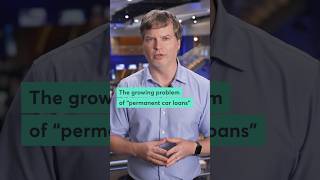 The growing problem of 'permanent car loans'4,311 views · 2026-10-27
 5 signs getting back with your ex could actually work this time3,767 views · 2026-10-26
 I hid a speakeasy in a gas station — it brought in about $5M in a year3,463 views · 2026-10-28
 Here's how I started and grew my pumpkin farm1,355 views · 2026-10-31
 I'm A Teen Who Built A 'Can Cooler' Business — It Brings In $808,000/…801,821 views
 I Bought An Abandoned Church For $45K & Spent $194K Making It A Home2,010,703 views
 My Pumpkin Farm Brings In $2 Million In Only 7 Weeks196,109 views
- Channel
- CNBC Make It
- Subscribers
- 2,010,000
- Channel views, last 7 days
- 1,212,725
- Videos published this week
- 6
- Video published
- October 29, 2026
- Video views so far
- 26,723
- Views on its first day
- 19,388
The numbers
Here is how CNBC Make It's uploads and audience moved over the week.
