
 United States
 United Kingdom
 Canada
 Australia
 New Zealand
 Ireland
Hidden chambers give Cleo Abram a King Tut mystery
Four new explainers range from tomb-scanning technology to Mars's divided interior and an exceptionally quiet room.
 Cleo Abram
Story of
Why this story? The channel's weekly summary: what went up this week, what is drawing views now, and where the channel stands among similar channels.
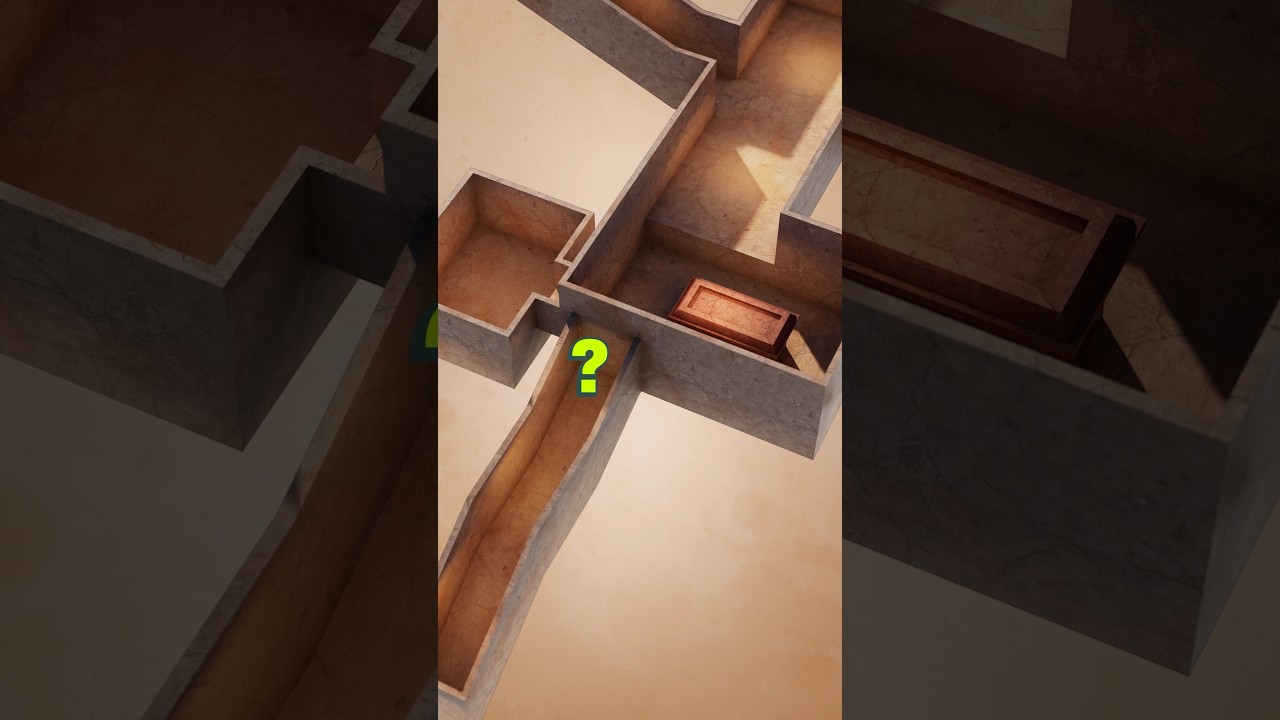 They Found Something In King Tut’s Tomb
Next story: Cleo Abram finds "lip reading, not mind reading" at Neuralink
Radio waves first, gravity next, and perhaps a tiny camera after that. Cleo Abram's most-watched new upload follows the search for possible chambers beyond the walls of King Tutankhamun's tomb, with confirmation remaining the crucial next step.
"They Found Something In King Tut's Tomb" has reached roughly 3.3 million views. Abram explains how ground-penetrating radar suggested a corridor behind the north wall, then describes microgravity measurements that could offer another clue to empty space. The extended tomb layout shown in the animation is a hypothesis, not a newly explored suite of rooms. She says drilling and inserting a camera would be needed to check.
Viewers have found two rather different reference points: Minecraft's see-through-the-walls tricks and the opening of a Mummy movie. Others are discussing the appeal of investigating archaeological sites without tearing them apart. It is a neatly Abram-shaped intersection of ancient questions and modern tools.
The rest of her four-upload week keeps changing scale. "Earth Is Eating Itself" asks how plate tectonics began, while "There's Something Weird Inside Mars" connects the planet's contrasting northern and southern landscapes with research into its interior. Then "How Quiet Are the World's Quietest Rooms?" puts Abram inside the question herself. That room visit currently draws the channel's most daily views, narrowly above the tomb explainer, with Mars next.
The channel added 10,000 subscribers over the week, and daily views are modestly above their usual level. Among the nearby science channels, AsapSCIENCE is also enjoying elevated daily viewing, while SmarterEveryDay is quieter than usual. Abram had the largest weekly views gain in this group, with her tomb investigation supplying the biggest audience among the new releases.
Published on Trari
A professional in this field? Want to write about Science & learning on Trari? Tell us ›
Where next?


What viewers say
Imagine building this in ancient times and having to watch humanity genuinely use xray hacks to find the tombs like diamonds in minecraft
@DesideroAndAeternusSee it on YouTubeThis is one of the most perfect set ups to a horror movie I’ve ever heard.
@TheGooeyDuckSee it on YouTubeMan... if only this type of non-invasive tech had existed back when they were just tearing up the ground and disturbing the context. I prefer the idea of leaving archaeological sites as intact as possible for future generations. This is exciting!
@jordanscott8307See it on YouTube
5 more comments
This smells like another Mummy movie
@mmhoppeSee it on YouTubeUsing gravity and radio waves to scan for hidden rooms inside an ancient Egyptian tomb is peak science fiction becoming reality
@Erliana-h3tSee it on YouTubeThe fact that we’re still discovering secret rooms in ancient tombs is wild to me. Science is so cool ❤
@SiskaSeptiaaniSee it on YouTube"Everybody stop" okay I paused the video.
@gamerhriday2864See it on YouTubeThe equivalent of trying to find the strong hold portal in Minecraft
@IzumiChanSee it on YouTube
Public comments from the video's page on YouTube
Want to know when somebody answers you?
 Is this your channel?For the channel's owners and team: a ready picture and text for your audience
Share the story with your audience. Everything is ready:
For an Instagram story or a WhatsApp status
For a community post or your channel's description
The videos drawing views on Cleo Abram right now


- Channel
- Cleo Abram
- Subscribers
- 8,960,000 ▲ 10,000 this week
- Channel views, last 7 days
- 16,009,821
- Videos published this week
- 4
- Video published
- November 10, 2026
- Video views so far
- 3,252,090
- Views on its first day
- 1,075,890
The numbers
Here is how Cleo Abram's uploads and audience moved over the week.

💡 Test your knowledge
Which planet's divided interior features in Cleo Abram's new explainers?
"There's Something Weird Inside Mars" explores differences between the planet's northern and southern hemispheres.