
 United States
 United Kingdom
 Canada
 Australia
 New Zealand
 Ireland
Ron Butler still favors variable mortgages after Bank of Canada hike
The mortgage broker warns that higher borrowing costs could weigh on households and housing activity into the new year.
 BNN Bloomberg
Story of
Why this story? The video opened at a pace of 83,455 views a day, 47 times a normal first day on this channel (1,789).
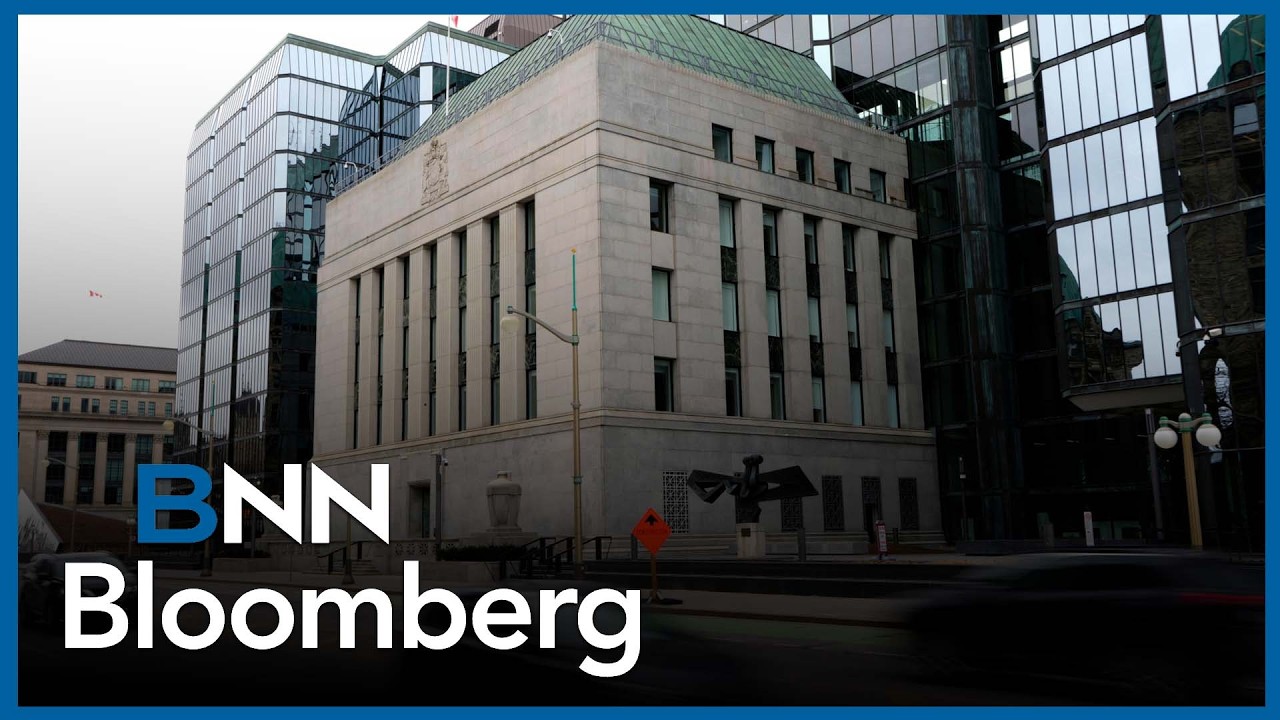 'I suspect we're going to feel it right through into the new year': Butler on BoC rate hike
Things we can learn from the video
Press to jump
- 0:16Butler calls the hike a dampener and warns its effects could last into the new year.
- 0:49Mortgage rates around five percent can make buyers pause, slowing housing activity.
- 1:38He estimates an 80 percent chance of another quarter-point rate increase on December 9.
- 2:40Butler explains banks' variable-rate payment policies, then says he still favors variable rates because of possible future reductions.
- 3:42He discusses rising delinquencies and lender-driven sales, highlighting pressures in Ontario and British Columbia.
- 5:02Butler describes townhouse demand and a sharp decline in pre-construction condominium sales.
"I'm still a variable guy," Ron Butler tells BNN Bloomberg, even as he describes a rate hike that makes borrowing more expensive. His reason for sticking with variable-rate mortgages is the possibility of reductions ahead, not an expectation of immediate relief.
The Butler Mortgage broker sees more pressure coming first. He puts a strong likelihood on another increase in December and says the effects of the Bank of Canada's decision could linger into the new year.
The interview has drawn roughly 62,000 views in its first morning, far beyond BNN Bloomberg's usual first-day audience for a regular video. It turns the central bank's decision into a household question: what happens when the mortgage takes a larger share of the budget?
"You have less money to buy everything else with when your mortgage goes up," Butler says. He argues that the squeeze suppresses economic activity, while mortgage rates around five percent can make prospective buyers hesitate. For a housing market, he says, that pause is particularly difficult.
Butler also explains how major banks handle payment adjustments on variable-rate mortgages, an important distinction between a changing interest rate and a changing monthly bill. He discusses rising mortgage delinquencies and lender-driven sales, pointing to Ontario and British Columbia as pressure points because of their larger mortgages.
The interview closes with another consequence for housing: Butler describes a sharp decline in pre-construction condominium sales and the resulting drop in construction.
Published on Trari
Where next?



 Is this your channel?For the channel's owners and team: a ready picture and text for your audience
Share the story with your audience. Everything is ready:
For an Instagram story or a WhatsApp status
For a community post or your channel's description
- Channel
- BNN Bloomberg
- Subscribers
- 188,000 ▲ 1,000 this week
- Channel views, last 7 days
- 505,139
- Channel views, pace per day
- 66,701 (on a normal day: 103,798)
- Video published
- October 28, 2026
- Video views so far
- 62,028 (less than a day online)
- Video views, pace per day
- 83,455
The numbers
Butler's mortgage interview drew an unusually large early audience for BNN Bloomberg. Here is how its start compares with the channel's usual regular video.

💡 Test your knowledge
Which type of mortgage does Ron Butler say he still prefers in this interview?
Butler says he remains a variable-rate borrower by preference, citing the potential for future rate reductions.