
 United States
 United Kingdom
 Canada
 Australia
 New Zealand
 Ireland
Tom Lee suspects forced selling behind Nasdaq's slide
The Fundstrat strategist points to reluctant buyers ahead of the midterms, while Steve Sosnick finds retail buying concentrated in Alphabet.
 CNBC Television
Story of
Why this story? The video opened at a pace of 427,262 views a day, 36 times a normal first day on this channel (11,944).
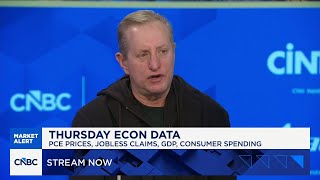
 Fundstrat’s Tom Lee: Today looks like someone’s getting liquidated
Things we can learn from the video
Press to jump
- 0:20The opening market rundown identifies Intel, SanDisk and Datadog among the tech stocks falling sharply.
- 1:19Sosnick says retail buying had concentrated in Alphabet rather than extending broadly across stocks.
- 2:30Lee interprets the slide as possible forced liquidation, with institutional buyers lacking conviction ahead of the midterms.
- 3:22The panel considers how election uncertainty and mixed government control could affect policy and investor sentiment.
- 4:44Sosnick also sees signs of forced selling, citing Intel's particularly steep decline.
Retail investors had been buying Alphabet rather than spreading their purchases widely across stocks, Steve Sosnick tells CNBC's Power Lunch. That is an important distinction on a day when the screen is full of falling tech shares: buying one familiar name is not the same as buying the market.
Fundstrat's Tom Lee offers a more urgent explanation for the slide. "Today looks like someone's getting liquidated," he says. He also sees institutional buyers holding back ahead of the midterm elections, leaving little conviction on the buying side.
Forced selling is different from simply deciding a stock looks expensive. Investors using borrowed money can be required to put up more collateral or have positions sold as prices fall. Lee does not identify a particular investor being forced out; he is interpreting the market's behavior.
Sosnick, Interactive Brokers' chief strategist, agrees that forced selling looks likely, pointing to Intel's steep fall. The discussion moves between that immediate pressure and election uncertainty, rather than settling on a single confirmed cause.
The segment drew more than 200,000 views in its first eight hours, already far beyond CNBC Television's usual full-day audience for a regular upload.
It was part of a wider burst of interest in CNBC's tech coverage. Separate interviews examined Mark Mahaney's continued preference for Amazon and Intel's difficulties balancing weak PC demand with AI data-center opportunities. Jeremy Siegel supplied a useful counterpoint in another discussion: many non-tech stocks were not doing badly.
Published on Trari
Where next?


 Is this your channel?For the channel's owners and team: a ready picture and text for your audience
Share the story with your audience. Everything is ready:
For an Instagram story or a WhatsApp status
For a community post or your channel's description
- Channel
- CNBC Television
- Subscribers
- 3,410,000
- Channel views, last 7 days
- 5,213,253
- Channel views, pace per day
- 1,639,311 (on a normal day: 727,188)
- Video published
- October 30, 2026
- Video views so far
- 208,004 (less than a day online)
- Video views, pace per day
- 427,262
The numbers
The Power Lunch discussion drew an unusually large early audience, alongside increased attention to several other CNBC tech-market interviews.

💡 Test your knowledge
Which company is Google's parent?
Google became a subsidiary of Alphabet in a corporate restructuring in 2015.