
 United States
 United Kingdom
 Canada
 Australia
 New Zealand
 Ireland
The Retro Collective preserves game boxes, tears and all
Neil's custom software turns museum leaflets into searchable PDFs and photographed game boxes into interactive 3D objects.
 The Retro Collective
Story of
Why this story? The channel's weekly summary: what went up this week, what is drawing views now, and where the channel stands among similar channels.
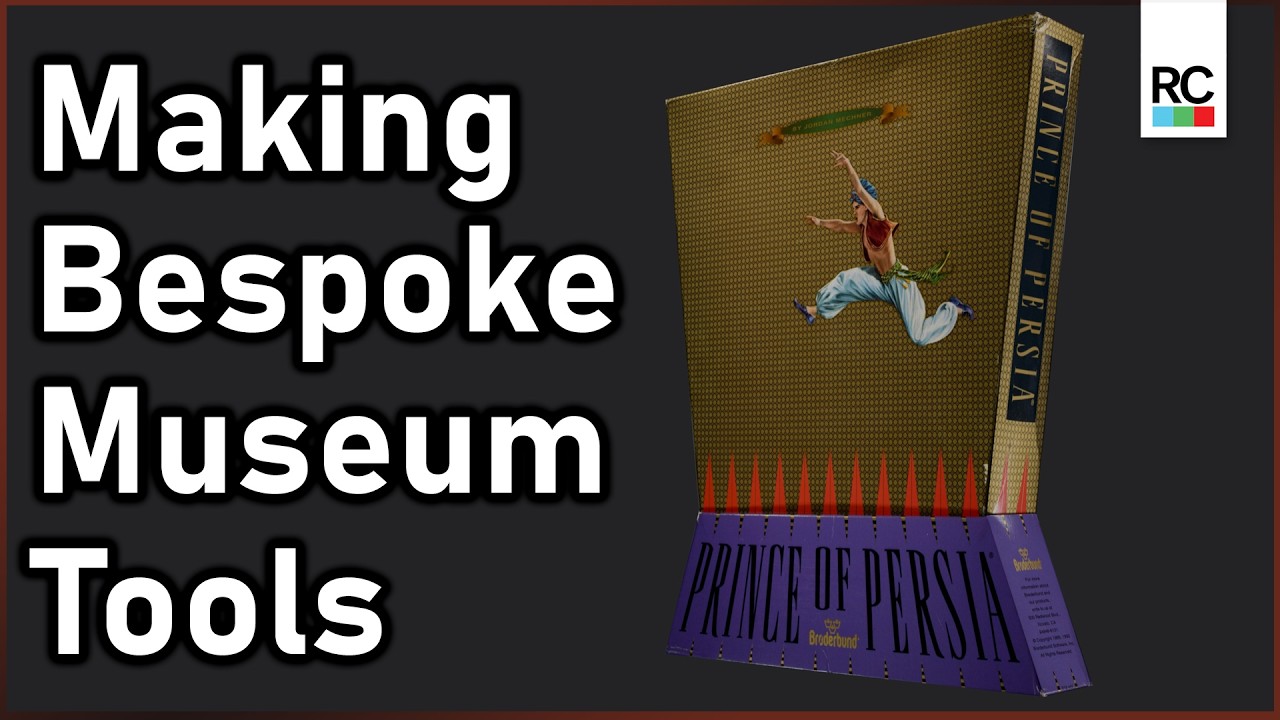 Making Bespoke Tools for Our Computer Museum
Things we can learn from the video
Press to jump
- 0:55David Andrews's promotional-material donation prompts a new scanning setup using a copy stand and DSLR camera.
- 4:54Pages to PDF adjusts page edges, recognises text and exports searchable documents in batches.
- 10:04An unreleased Psygnosis Special Forces proposal offers a glimpse of a game that never reached release.
- 15:15BoxScan turns photographs into interactive game-box models with movable flaps and slipcovers.
- 21:48Neil explains why realistic tears, stickers and unusual shapes belong in the digital archive.
- 22:50Claude helped write the software, but the finished applications run without AI processing.
A pristine digital game box would miss part of the point. In The Retro Collective's "Making Bespoke Tools for Our Computer Museum", Neil wants the collection's actual objects preserved, including their torn edges, stickers and awkward shapes.
There were no new uploads this week, but that early-November museum work remains the busiest of the channel's videos right now. It has reached roughly 31,000 views, with Neil turning a large donation of promotional material from David Andrews into an opportunity to improve the archive.
A copy stand and DSLR camera handle the photography. Neil's custom Pages to PDF software handles page boundaries, searchable text and batch exports. Among the documents he examines is a proposal for an unreleased Psygnosis Special Forces game, shared with Games That Weren't. The video includes a sponsored advertising segment.
The second tool, BoxScan, makes photographed boxes into interactive 3D models, complete with opening flaps and slipcovers. Neil used Claude to help write the programs, but explains that the finished software runs without AI processing. Preserving the battered original, rather than inventing a perfect replacement, is the aim.
The channel added about 27,000 views over the week while subscribers remained unchanged. Today's viewing is below half its usual daily level. LGR Blerbs had a similarly modest weekly viewing total, while PC BUILD-ASMR had a much busier week.
September's MiSTer handheld development update and October's donations roundup also continue attracting views. For Neil, the incoming collection creates a lasting job: documenting the museum is a long-term project, not something a clever scanning tool finishes on its own.
Published on Trari
Where next?



 Is this your channel?For the channel's owners and team: a ready picture and text for your audience
Share the story with your audience. Everything is ready:
For an Instagram story or a WhatsApp status
For a community post or your channel's description
The videos drawing views on The Retro Collective right now


- Channel
- The Retro Collective
- Subscribers
- 200,000
- Channel views, last 7 days
- 27,356
- Videos published this week
- 0
The numbers
Here is how The Retro Collective's week looks in views and subscribers.

💡 Test your knowledge
What does FPGA stand for in the MiSTer hardware featured on the channel?
An FPGA is a field-programmable gate array, a chip whose logic can be configured after manufacture.