
 United States
 United Kingdom
 Canada
 Australia
 New Zealand
 Ireland
TED-Ed finds the psychological catch in a half-price bargain
An animated shopping lesson joins a collection of six ghostly tales in the channel's two-upload week.
 TED-Ed
Story of
Why this story? The channel's weekly summary: what went up this week, what is drawing views now, and where the channel stands among similar channels.
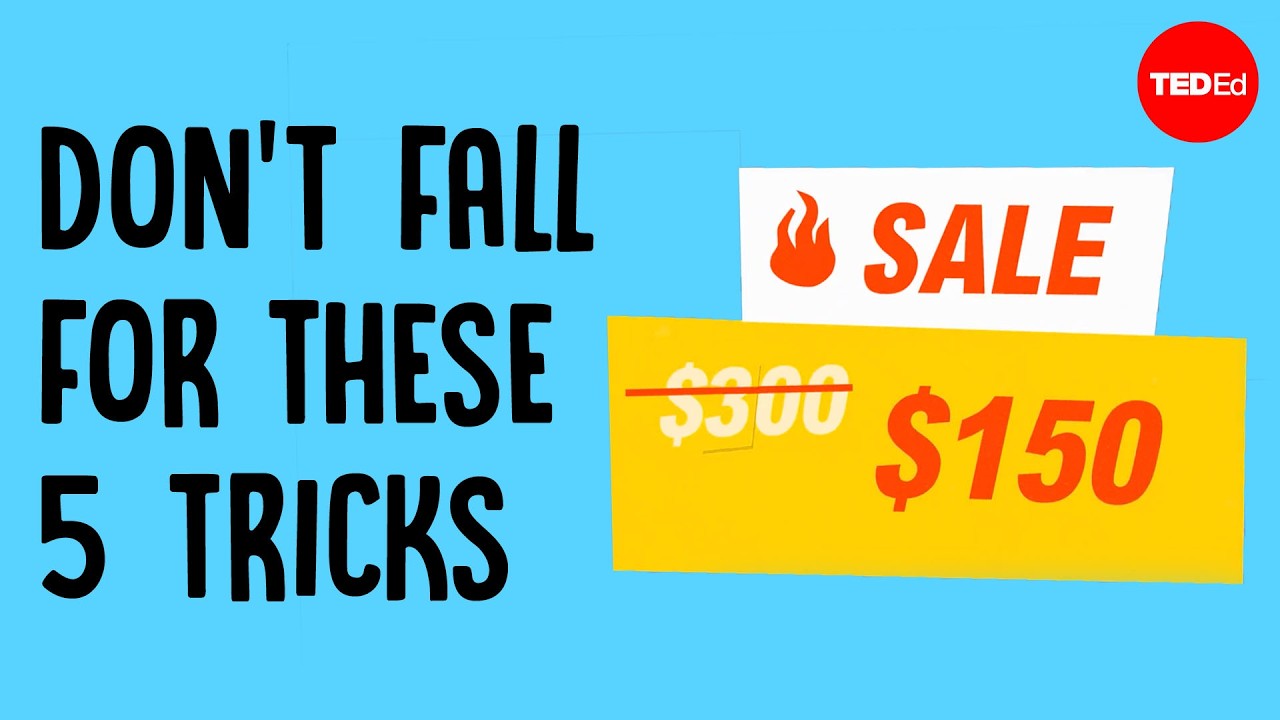 5 sneaky ways stores get you to spend more
Things we can learn from the video
Press to jump
- 1:13Bounded rationality describes decisions made with limited information, limited time and psychological constraints.
- 1:51Anchoring makes an initial price a reference point for judging later offers.
- 2:46Framing changes how shoppers interpret product labels and prices.
- 3:13Loss aversion helps explain why scarcity and sale deadlines can push shoppers toward buying.
- 4:00A wine-tasting study found that price information altered participants' experience of pleasure.
- 5:07Slow down, set your own price reference and consider whether the purchase meets an actual need.
TED-Ed puts a bear in the shopper's position: bargain-bin headphones look tempting, until a more expensive pair appears with a half-price tag. Is that a better deal, or just a more persuasive label?
That question opens "5 sneaky ways stores get you to spend more," the week's most-watched new upload, with roughly 390,000 views. Directed by Homework Studio and narrated by Addison Anderson, the animation explains how an initial price can anchor our judgment, how framing changes a product's appeal, and why a looming sale deadline can make passing up a purchase feel like losing something. It was made in collaboration with Nobel Prize Outreach, with support from the Sloan Foundation.
The wine-tasting example takes the argument beyond clever signage: the lesson describes a study in which a higher price changed the pleasure participants experienced. In the comments, viewers trade their own shopping brakes, from cash envelopes and lists to walking a lap before returning to an impulse purchase. Others recognize the temptation to spend extra on a bundle because it seems like better value.
The other new release, "Scary stories to watch in the dark (if you dare…)," gathers tales including the monkey's paw, Japanese ghosts and Edgar Allan Poe's Red Death. That Halloween collection now has the channel's strongest daily viewing momentum. Shannon Odell's older attention-span lesson also remains busy, having passed four million views.
TED-Ed's subscriber count held steady over the week, while daily views are slightly above their usual level. Among neighboring education channels, freeCodeCamp.org is also seeing above-usual daily viewing, while TED and CrashCourse are running more slowly than usual. For TED-Ed, the practical takeaway comes near the shopping lesson's end: decide what something is worth to you before a sale tag supplies the answer.
Published on Trari
Where next?


What viewers say
My grandpa called it "Goin' broke savin' money"
@grayaj23See it on YouTubeAnother tactic is when the thing you want is like $10 but then the deluxe version or bundle version of your item is $17. You may choose the deluxe version even if it's $7 more because you think "I'm getting more for my buck", but really you've spent $7 more than what originally intended and you may have bought more than what you actually need.
@Ashley-xu1lkSee it on YouTubeFree Sample Effect gets me every time at Costco and H Mart
@FinancialShinaniganSee it on YouTube
6 more comments
Never buy gorceries while hungry - my father told me
@duartemdgoncalvesSee it on YouTubeThe “set your own price before you shop” tip hit hard. Once I decide what something is worth to me first, half-off anchors feel a lot less persuasive. Slowing down for 30 seconds really does break the impulse loop.
@SodaJamAroundWorldSee it on YouTubeFrom a personal recommendation: these are reasons why I still use cash envelopes and a set list when I go shopping.
If it's not in the budget, and I don't have enough in the envelope to cover it, then I *can't* buy it.@Ace-1525See it on YouTubeI worked in retail for 8+ years. You are taught tactics to get, and increase, the sale (over and over again).
@jer103See it on YouTubePartnership with Nobel Prize? Wow.
@ElectionPredictionsAndAnalysisSee it on YouTubeHow in the world do you get a partnership with the Nobel Prize??
@MUFFY-q7xSee it on YouTube
Public comments from the video's page on YouTube
 Is this your channel?For the channel's owners and team: a ready picture and text for your audience
Share the story with your audience. Everything is ready:
For an Instagram story or a WhatsApp status
For a community post or your channel's description
The videos drawing views on TED-Ed right now

- Channel
- TED-Ed
- Subscribers
- 23,000,000
- Channel views, last 7 days
- 7,662,525
- Videos published this week
- 2
- Video published
- October 22, 2026
- Video views so far
- 389,006
- Views on its first day
- 178,687
The numbers
Here is TED-Ed's week in views and subscribers.

💡 Test your knowledge
Which mental shortcut makes the first price you see a reference point?
The lesson explains that anchoring makes initial information a reference point for later judgments.