
Why we believe Up's flying house, according to StudioBinder
The filmmaking channel's essay separates realism from believability, with a start far above its usual pace.
 StudioBinder
Story of
Why this story? The video opened at a pace of 43,648 views a day, 16 times a normal first day on this channel (2,711).
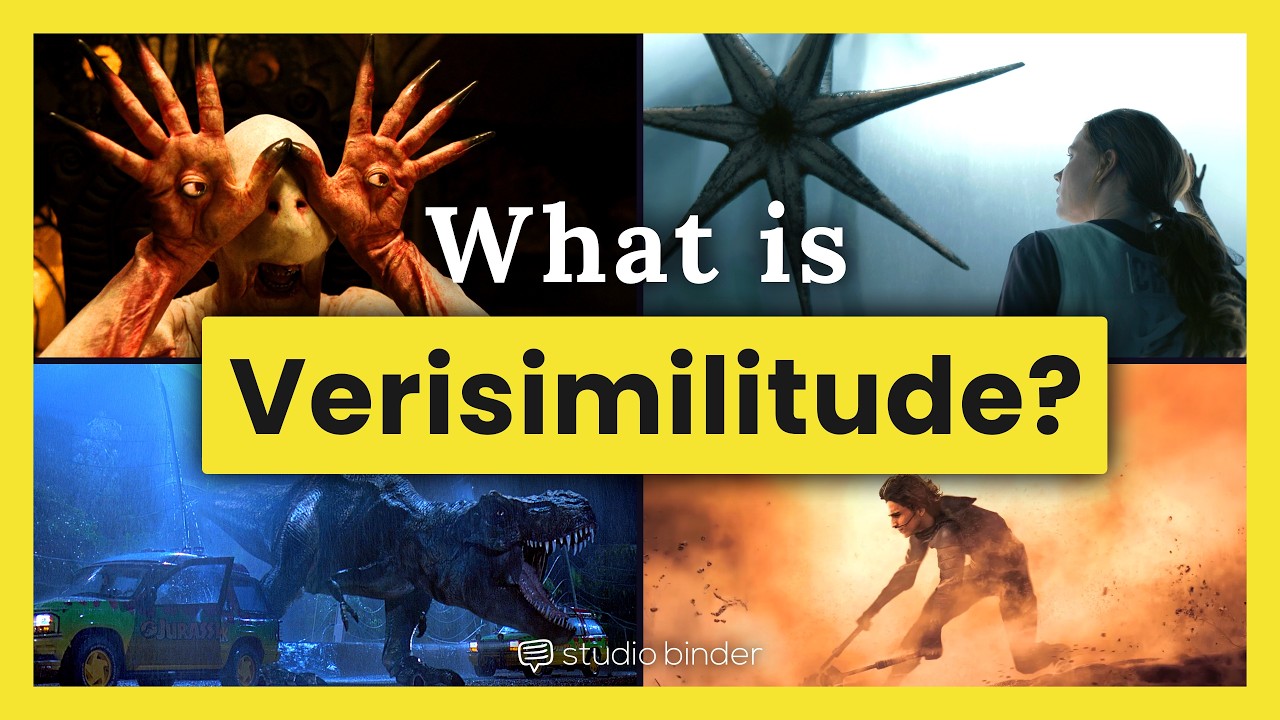 What Is Verisimilitude? Why We Believe Impossible Movies
Things we can learn from the video
Press to jump
- 1:05Believability can mean matching the audience's real world or honoring the expectations of a film's genre.
- 3:20Jurassic World and The Force Awakens illustrate details that can disrupt the audience's belief.
- 4:12Up illustrates why recognizable emotion and consistent storytelling can support an impossible premise.
- 6:05Arrival's climactic reveal is examined as a payoff built on internal narrative logic; spoilers follow.
- 6:48Lighting, set details and sound help make the worlds of The Lighthouse and Roma feel tangible.
- 8:50Ferris Bueller's Day Off and Funny Games show filmmakers deliberately breaking their agreement with the audience.
Claire's high heels in Jurassic World make an unlikely counterpoint to the flying house in Up. In StudioBinder's new essay, they help explain why something merely improbable can strain our belief while something impossible can carry us along.
The word connecting them is verisimilitude: the quality of feeling true. "What Is Verisimilitude? Why We Believe Impossible Movies" reached roughly 38,000 views in 17 hours, well ahead of the channel's usual first-day pace.
StudioBinder, a production-software company whose channel publishes filmmaking lessons, breaks believability into distinct promises. A film can feel faithful to the world we know, or faithful to its genre. Nobody expects West Side Story's characters to behave exactly like people on an ordinary street. The musical establishes a different agreement.
The essay then gets to what holds that agreement together: recognizable emotions and consistent narrative rules. Up supplies the emotional example; Arrival demonstrates how a climactic revelation can follow an internal logic. There are spoilers for both, along with several other films.
Belief also has a physical texture. The Lighthouse and Roma provide examples of lighting, production design and sound making a screen world feel tangible, rather than simply looking convincing.
Viewers are adding their own examples, including Everything Everywhere All at Once and its commitment to absurd situations. But StudioBinder doesn't treat breaking the spell as an automatic mistake: its final section examines filmmakers who do it deliberately, from Funny Games to Monty Python and the Holy Grail.
Published on Trari
Where next?


What viewers say
"Everything, Everywhere, All at once" is a good example of a movie that makes you believe impossible and absurd things by taken them seriously.
@beticocr1234See it on YouTubeVerisimilitude feels like a fancy way of saying that a story must feel credible, whether the context for the credibility is real or fictional or both.
@TheThirdFoundationSee it on YouTubeThanks for keeping it reel Studio Binder crew
@Chill_Mode_JDSee it on YouTube
1 more comment
Love the inclusion of Top Secret.
@DavidBeaumontSee it on YouTube
Public comments from the video's page on YouTube
 Is this your channel?For the channel's owners and team: a ready picture, text and badge for your audience
Share the story with your audience. Everything is ready:
For an Instagram story or a WhatsApp status
For a community post or your channel's description
For your website

You may use the picture, the badge, and link it to this story.
- Channel
- StudioBinder
- Subscribers
- 2,260,000
- Channel views, last 7 days
- 615,105
- Channel views, pace per day
- 62,051 (on a normal day: 83,021)
- Video published
- October 19, 2026
- Video views so far
- 37,567 (less than a day online)
- Video views, pace per day
- 43,648
The numbers
The essay's early views stand well above StudioBinder's usual opening pace for regular videos.

💡 Test your knowledge
Who directed Arrival?
Denis Villeneuve directed Arrival, the science-fiction film used in the essay to examine narrative logic.